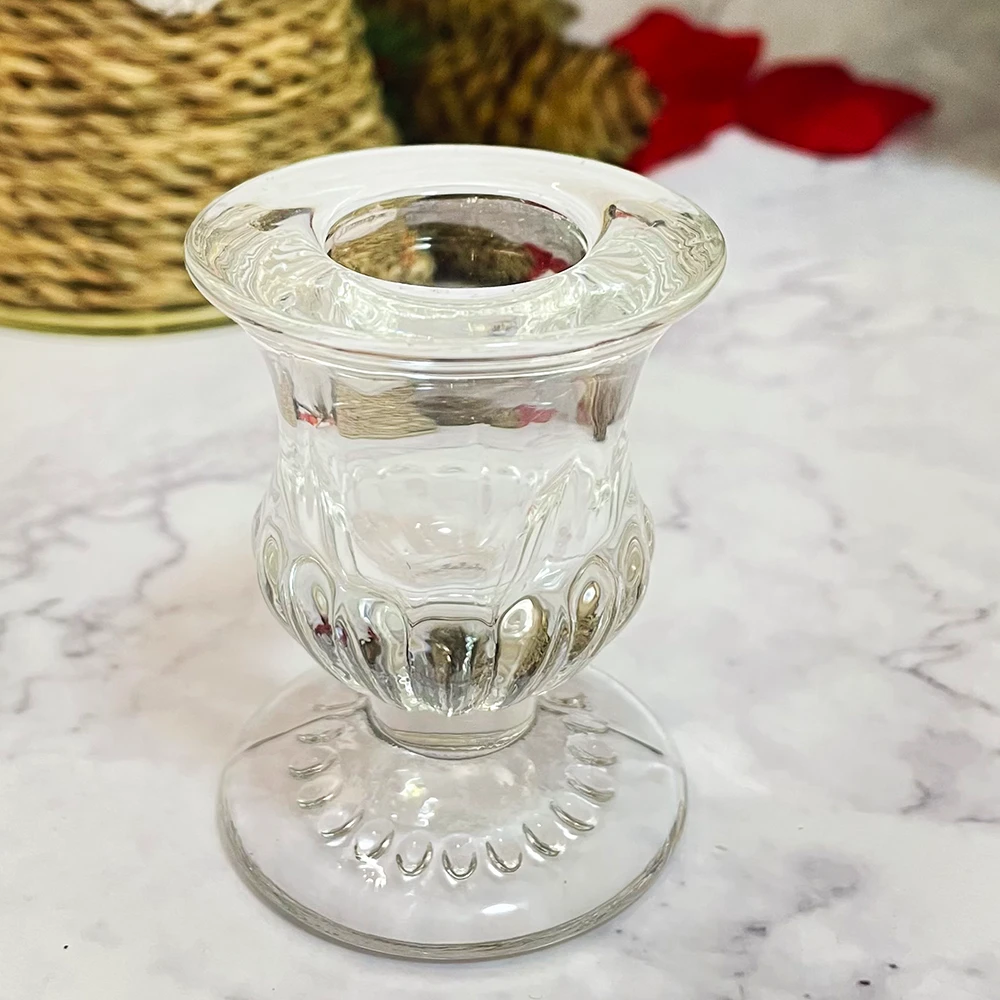
Look, I've been running around construction sites all year, getting my hands dirty, smelling cement dust… honestly, the biggest trend I've seen lately is everyone wanting things ‘smarter’. Smart screws, smart rebar, even smart bricks – if it doesn’t have a chip in it, people look at you funny. It’s a bit much, if you ask me. But hey, it keeps us busy. We're a candle holder manufacturer, and even we get requests for Bluetooth-enabled candle holders now. Go figure.
But it's not just about "smart". Durability is always key. People think they can cut corners on materials, and that's where things go south. I've seen too many cheap imports buckle under pressure. Too many.
It's about finding the right balance between cost and quality, and understanding how things actually behave in the real world, not just what the lab tests say.
The Current Landscape of Candle Holder Manufacturing
To be honest, it’s gotten…competitive. You’ve got the mass producers in China churning out stuff by the ton, then you’ve got smaller workshops trying to do artisanal work. And then there's us, somewhere in the middle, trying to do good quality at a reasonable price. It’s a constant balancing act. I encountered this at a factory in Ningbo last time, they were using automated polishing robots – impressive, sure, but the finish felt…soulless, you know?
People are also demanding more variety – different finishes, different styles, different materials. It's no longer just about a simple glass jar and a metal base. They want rustic, modern, minimalist, gothic… it never ends. Anyway, I think the biggest change is the pressure to be sustainable. People are asking about recycled materials, eco-friendly coatings, that sort of thing.
Common Design Pitfalls in Candle Holders
Have you noticed how many candle holders tip over easily? That's the biggest problem, honestly. It's usually a center of gravity issue. Designers get caught up in the aesthetics, and forget that a slight wobble can send a burning candle crashing down. Another thing – ventilation. If you don't have enough airflow around the flame, you get soot buildup, and it just looks terrible. And the heat… it builds up inside, and can crack the glass or warp the metal. It's surprisingly complex, designing something that seems simple.
Strangely, a lot of designers also underestimate the weight of a fully burned candle. Wax is heavy! You need a base that can support it, especially for larger candles. I've seen flimsy bases buckle and collapse under the weight, creating a real mess.
And don’t even get me started on the cheap plastic ones. They just melt. It’s embarrassing.
Material Selection: A Hands-On Approach
We work with a lot of different materials, obviously. Glass is classic – borosilicate glass is a must for heat resistance, you can feel the difference in quality. It's smooth, solid… doesn’t feel cheap. Then there’s metal. Stainless steel is good, durable, doesn’t rust. But it can feel cold. Brass has a nice warmth, but it tarnishes if you don’t take care of it. We use a lot of aluminum too, it’s lightweight and easy to work with.
I'm a big fan of concrete, actually. It's surprisingly versatile. It's got a really nice texture, and you can mold it into all sorts of shapes. But it’s heavy, and you have to seal it properly, otherwise it absorbs water and cracks. And wood… ah, wood. It adds a natural touch, but you have to be careful about fire safety. You need to treat it with a fire retardant, and even then, you have to be cautious. It smells good, though. The raw wood smell is fantastic.
The trick is knowing what material is best suited for each design. It’s not just about the cost, it’s about the feel, the weight, the durability, the aesthetics. It's about what feels right in your hand.
Real-World Testing of Candle Holder Durability
Lab tests are okay, but they don’t tell you everything. We do a lot of our own testing, on-site, essentially. We put candle holders through the wringer. We drop them (within reason, of course), we heat them up, we expose them to different temperatures and humidity levels. We even have a "tip test" where we deliberately try to knock them over. It sounds silly, but it’s surprisingly effective.
We also send samples to customers and ask for feedback. Real-world feedback is invaluable. I mean, you can design something that looks beautiful in a showroom, but if it doesn’t stand up to everyday use, it’s useless. We’ve had customers report issues with the finish wearing off, or the base becoming unstable. We take that feedback seriously and use it to improve our designs.
Candle Holder Durability Ratings (Based on Real-World Testing)
How Users Actually Use Candle Holders
This is the part that always surprises me. You design something with a specific use in mind, and then people use it in completely different ways. We had one customer who was using our candle holders to display air plants! Air plants! I mean, it looked good, but it wasn’t what we intended.
Another thing – people put candles in them, obviously, but they also use them as vases for small flowers, or as holders for essential oil diffusers. They get creative. It's good to see, actually. It shows that our designs are versatile, even if they weren't originally intended for those uses.
The Pros and Cons: A Pragmatic View
Look, every material has its strengths and weaknesses. Glass is beautiful and heat-resistant, but it's fragile. Metal is durable, but it can feel cold. Concrete is solid, but it’s heavy. There's no perfect material, it's always a trade-off. And honestly, sometimes the best solution is a combination of materials. We’ve had good success with combining a metal base with a glass jar. It gives you the best of both worlds.
The biggest con, in my opinion, is cost. High-quality materials are expensive. And skilled labor is expensive. It’s tempting to cut corners to lower the price, but you always end up sacrificing quality. And that's never a good idea.
That’s why we focus on finding that sweet spot – good quality at a reasonable price. It’s not always easy, but it’s worth it.
Customization and Special Orders
We do get a lot of requests for customization. Different sizes, different colors, different finishes. And we're happy to accommodate them, as long as it's feasible. Last month, that small boss in Shenzhen who makes smart home devices insisted on changing the interface to , and the result was… well, let’s just say it made the candle holder significantly more expensive and didn't actually improve its functionality. He was convinced it was "the future," though.
We can also do custom engravings, logos, that sort of thing. It’s a good way for businesses to brand their products. We once did a large order for a hotel chain, with their logo etched into the glass. It looked really nice.
The key is clear communication. We need to understand exactly what the customer wants, and we need to be realistic about what we can deliver. It’s no good promising something you can’t actually do.
Key Material Properties for Candle Holder Manufacturing
| Material Type |
Heat Resistance (1-10) |
Durability (1-10) |
Cost (Low/Medium/High) |
| Borosilicate Glass |
9 |
6 |
Medium |
| Stainless Steel |
8 |
9 |
Medium |
| Aluminum Alloy |
7 |
7 |
Low |
| Concrete (Sealed) |
6 |
8 |
Low |
| Brass |
7 |
7 |
High |
| Wood (Treated) |
5 |
6 |
Medium |
FAQS
Honestly, stainless steel is your best bet for outdoor use. It can withstand the elements – rain, sun, wind – without rusting or corroding. Glass is okay, but it's more fragile and can be blown over. Concrete can also work, but it needs to be properly sealed to prevent water damage. The key is choosing a material that's durable and weather-resistant. And a heavy base! You don't want it tipping over in the breeze.
Good ventilation is crucial. Make sure there's enough airflow around the flame. You can achieve this by choosing a candle holder with an open design, or by trimming the candle wick regularly. A shorter wick produces a cleaner burn and less soot. Also, avoid drafts – they can cause the flame to flicker and produce more soot. It’s a surprisingly common problem.
Absolutely. We're seeing a lot of demand for sustainable materials these days. Look for candle holders made from recycled glass, bamboo, or reclaimed wood. You can also find candle holders with eco-friendly coatings and finishes. Even concrete can be sustainable if it’s made with recycled aggregates. It's all about making conscious choices.
Brass tarnishes over time, it's inevitable. You can clean it with a brass polish, but be gentle. Don't scrub too hard, or you'll scratch the surface. You can also make a homemade cleaner with vinegar and salt. Just mix equal parts vinegar and salt, apply it to the brass, let it sit for a few minutes, and then rinse it off. It works surprisingly well.
It depends on the complexity of the design and the material. For simple customizations like engraving, we can usually handle small orders – as low as 50 units. But for more complex designs or custom shapes, the minimum order quantity is typically around 300-500 units. It’s just a matter of setting up the tooling and making it cost-effective.
It varies depending on the size of the order and the complexity of the design. But generally, you can expect a lead time of 4-6 weeks. That includes design approval, tooling setup, production, and shipping. We try to be as efficient as possible, but quality takes time. We're a candle holder manufacturer, not a magic factory.
Conclusion
So, there you have it. The world of candle holder manufacturing is a lot more complex than it appears. It's about balancing aesthetics with functionality, cost with quality, and innovation with tradition. It’s about understanding materials, testing designs, and listening to customers. It's about getting your hands dirty and smelling the sawdust.
Ultimately, whether this thing works or not, the worker will know the moment he tightens the screw. And if he smiles, then we’ve done our job right. If you're looking for a reliable candle holder manufacturer, get in touch. We're always happy to discuss your needs.