0%

Table of Contents

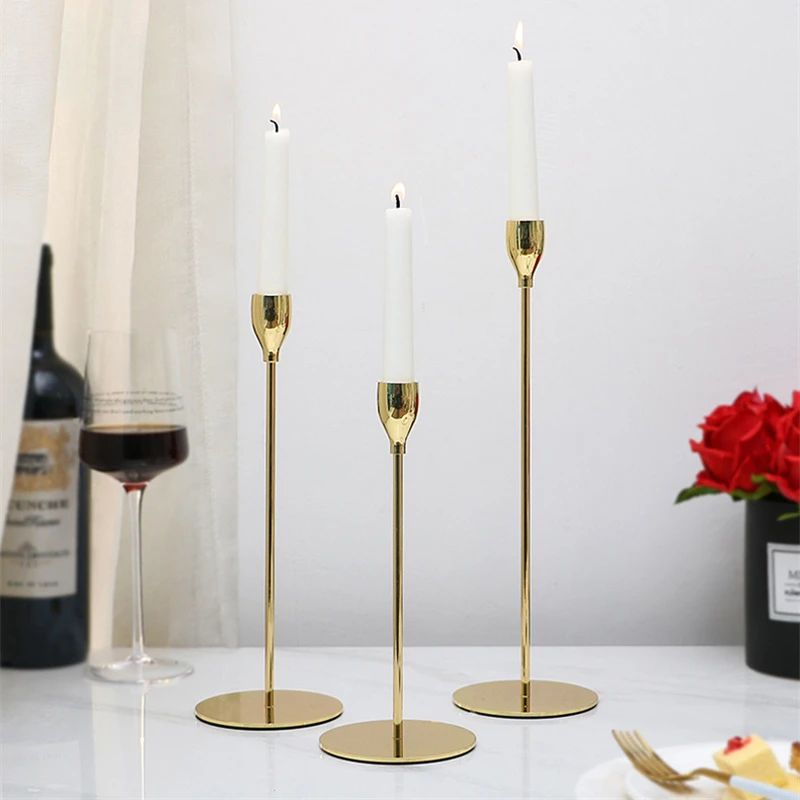
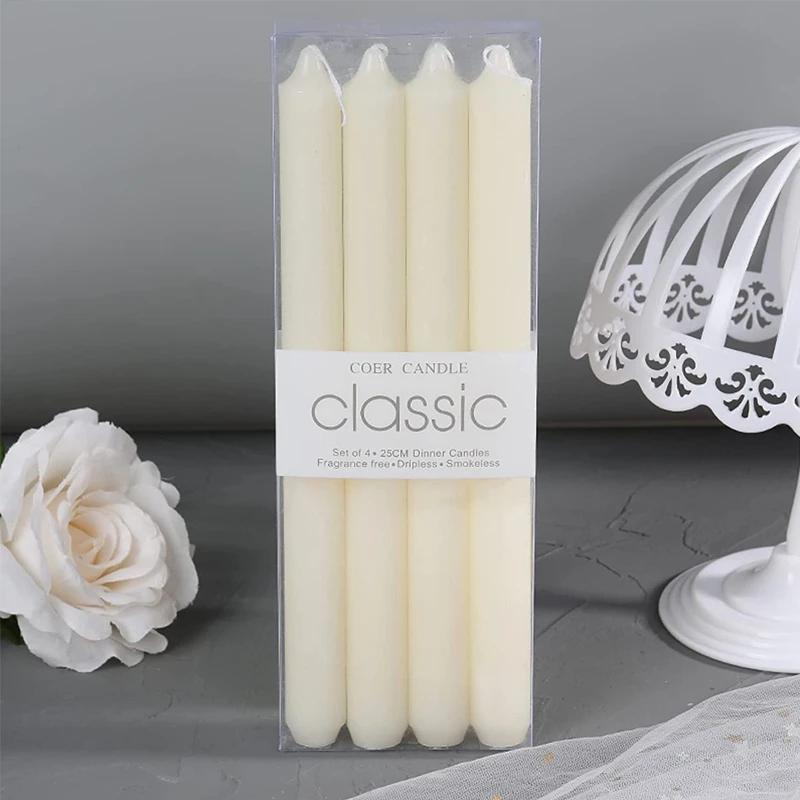
Look, I’ve been running around construction sites for, well, too many years to count. Been dealing with materials, engineers, contractors… you name it. And honestly, the taper candle market? It's not exactly booming, is it? But there's a quiet shift happening. Everyone’s looking for that ambiance, that little bit of… warmth, I guess. Not just fancy restaurants anymore. People want it at home, in events, even for these weird “hygge” things. It’s about feeling, not just light.

What's really interesting is how much people are focusing on the source now. Not just "beeswax or paraffin," but where the beeswax comes from, what the paraffin is made from. Sustainability, you know? It’s a pain, because tracing everything back gets complicated fast. But customers are demanding it. They're willing to pay a bit more for something they feel good about. Have you noticed that?

And to be honest, a lot of manufacturers are still stuck in the old ways. Trying to squeeze every penny out of cheap materials. They think nobody will notice. They’re wrong.
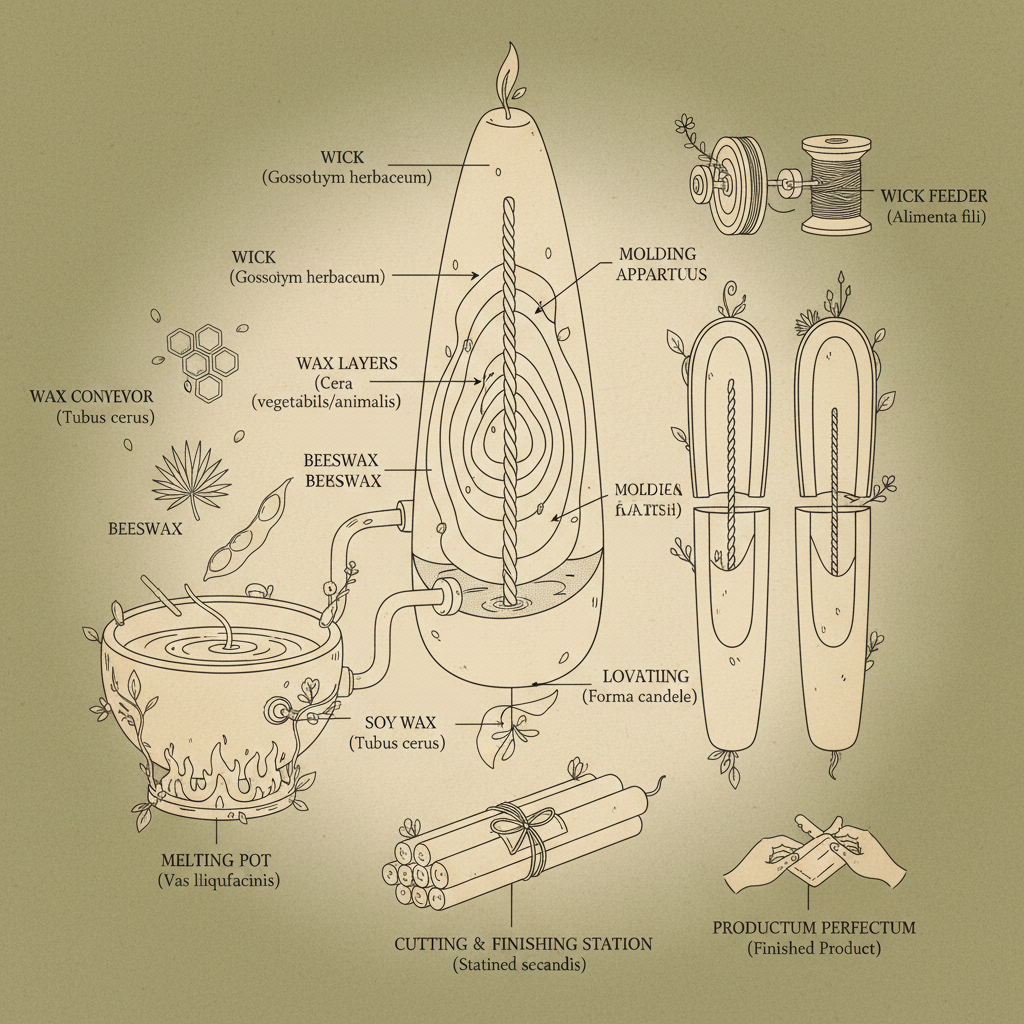
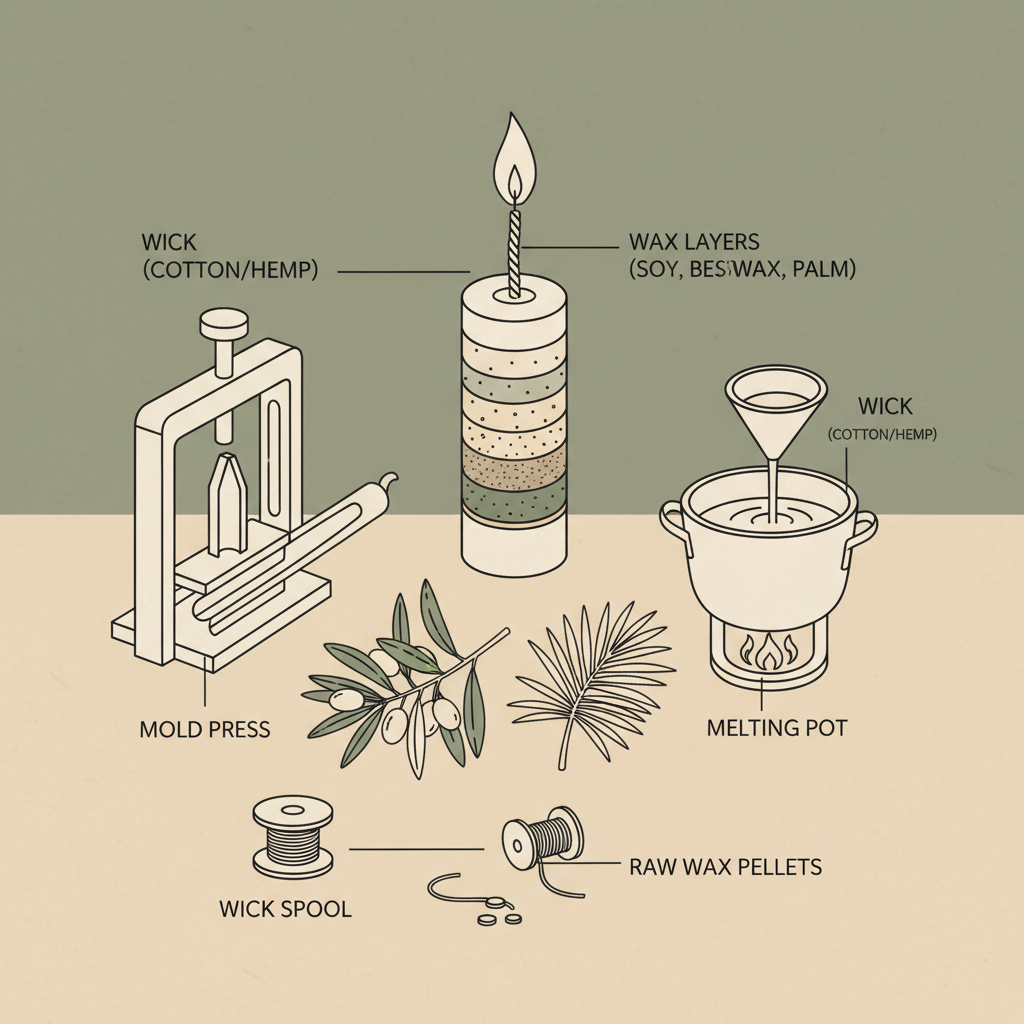
Navigating the Evolving Taper Candle Market and the Role of a Taper Candle Manufacturer

The Current State of the Taper Candle Market

Navigating the Evolving Taper Candle Market and the Role of a Taper Candle Manufacturer

I encountered this at a factory in Yiwu last time. They were churning out these ridiculously cheap paraffin candles. Looked okay, but smelled…off. You could tell they were using recycled wax, maybe even some questionable additives. They figured nobody would notice, but the scent lingers, you know? And these days, people do notice. They want something natural, something that doesn't give them a headache.

Strangely enough, demand for colored tapers is increasing again. Not those garish neon shades, but muted, earthy tones. Sage green, terracotta, that sort of thing. It’s all part of this move towards a more "authentic" aesthetic. People want things that look and feel handmade, even if they aren't.

Design Pitfalls: What Seems Simple Isn't

You’d think a taper candle is a pretty simple thing, right? Just wax and a wick. But it's not. Getting the wick right is a nightmare. Too thick, and it smokes. Too thin, and it drowns in the wax. There's a sweet spot, and it takes a lot of testing to find it. And the angle of the taper? That affects how evenly it burns. A poorly designed taper will drip all over the place. It’s frustrating to watch.

Then there’s the base. Gotta be sturdy enough to stand on its own, but not so wide that it doesn't fit in a standard candlestick holder. It’s a balancing act. And people are really picky about the color, too. Getting a consistent color throughout the entire candle is harder than you think.

I’ve seen manufacturers try to cut corners on the wick, using cheaper materials. Big mistake. It ruins the whole product. Later... Forget it, I won't mention it.

Materials: It's About the Feel, Not Just the Name

Okay, let's talk materials. Beeswax is king, obviously. It has that natural scent, that warm glow. You can feel the quality. But it's expensive, and supply can be inconsistent. Soy wax is a good alternative, but it's softer, so it doesn't hold its shape as well. Paraffin… well, paraffin is cheap. But it smells like chemicals if you don't refine it properly. And the quality varies wildly.

What people don't realize is the difference between different types of paraffin. There's food-grade paraffin, industrial-grade paraffin… you want the food-grade stuff, even if you’re not making edible candles. It’s cleaner. And you can smell the difference. It's subtle, but it's there.

I once had a customer, a high-end hotel, who insisted on using only beeswax from a specific region of Spain. Said it had the "perfect floral aroma." Honestly, I couldn’t tell the difference, but hey, who am I to argue?

Real-World Testing: Beyond the Lab

Lab tests are fine, but they don't tell the whole story. You need to see how these candles perform in real conditions. I mean, in a drafty room, with people talking and moving around. That's where you see the drips, the smoke, the flickering.

Taper Candle Burn Time by Wax Type


How Customers Actually Use Them

It's not always what you expect. People don’t just stick them in candlesticks anymore. I’ve seen them using them in these elaborate floral arrangements, dripping wax down the sides. It’s… messy. But artistic, I guess. And there's a big trend for using them in DIY projects, like making seals for letters or decorating bottles.

Anyway, I think a surprising number of people are using them for power outages. Old-school emergency lighting. Not fancy, but reliable. It's a good reminder that sometimes, the simplest solutions are the best.

Advantages & Disadvantages: A Practical Look

Look, beeswax candles? Beautiful, clean burning, natural. But they’re expensive, and you gotta be careful about where you source them. Soy wax? More affordable, good scent throw, but they melt faster. Paraffin? Cheap as chips, but you need to make sure it's high quality, or it'll smell terrible.

And the biggest disadvantage of all taper candles? They’re a fire hazard. Seriously. People leave them unattended, put them too close to curtains… it happens. You gotta include clear warnings, make sure the base is stable. Safety first, always.

Customization and Special Orders

People always want something different. Last month, that small boss in Shenzhen who makes smart home devices insisted on changing the interface to on some weird decorative candle holder he was designing. Said it was "future-proof." It made no sense. He ended up having to redesign the whole thing because the base wouldn't fit in a standard holder.

But generally, customization is doable. We can do different colors, different scents, different lengths. We've even done candles with embedded flowers. It depends on the quantity, of course. Small orders are expensive, but for larger orders, we can usually accommodate most requests.

One thing I’ve learned is to always get a sample before you start mass production. Trust me on that one.

Key Considerations for Taper Candle Quality

Wax Type Burn Time (Avg) Scent Throw Cost per Candle
Beeswax 8-10 Hours Strong, Natural $3.50 - $5.00
Soy Wax 6-8 Hours Moderate $1.50 - $2.50
Paraffin (High Grade) 7-9 Hours Good, Customizable $0.80 - $1.50
Paraffin (Low Grade) 4-6 Hours Weak, Chemical $0.50 - $1.00
Beeswax Blend (Soy) 7-8.5 Hours Moderate-Strong $2.00 - $3.00
Coconut Wax 6-7 Hours Excellent $2.50 - $4.00

FAQS

What is the best wax type for taper candles that burn cleanly?

Beeswax is the gold standard for clean burning, producing minimal soot and a natural scent. However, it’s the most expensive. High-grade paraffin wax, fully refined, can also burn relatively cleanly, but it won't have the same natural benefits. Soy wax is a good middle ground, but can sometimes produce a little more soot than beeswax. The key is to ensure the wick is the correct size for the wax type, preventing incomplete combustion and excessive smoking.

How do I prevent my taper candles from dripping excessively?

Excessive dripping usually indicates a draft or an improperly sized wick. Ensure the candle is placed away from direct airflow. If the wick is too large, it creates a larger flame, melting more wax than it can burn, leading to dripping. A smaller wick size can help. Also, trimming the wick to about ¼ inch before each burn can improve burn quality and minimize dripping. Sometimes, the wax blend itself is the issue - a softer wax will drip more easily.

What are the common issues with wick selection?

Wick selection is critical. Too small of a wick and the candle will tunnel, leaving wax around the edges. Too large, and it will smoke, drip, and potentially create a dangerous flame. The correct wick size depends on the diameter of the candle, the wax type, and any added fragrances. Manufacturers often need to test multiple wick sizes to find the optimal performance. Look for wicks that are properly coated for stability.

Can taper candles be made with natural dyes?

Absolutely! Natural dyes, derived from plants and minerals, are becoming increasingly popular. They offer a more muted and nuanced color palette than synthetic dyes. However, natural dyes can sometimes affect the burn quality of the candle, so thorough testing is necessary. Finding a reliable supplier of consistent, high-quality natural dyes is also crucial. Many manufacturers are exploring options like using vegetable oils infused with colorants.

What safety precautions should be taken when burning taper candles?

Never leave a burning candle unattended. Place candles on a stable, heat-resistant surface, away from flammable materials like curtains and paper. Keep candles out of reach of children and pets. Trim the wick to ¼ inch before each use. Avoid burning candles in drafty areas. Use a candle snuffer to extinguish the flame, rather than blowing it out, to prevent wax splatter. And always supervise candles when they are lit.

How can I customize taper candles for a specific event?

Customization options include color matching, scent blending, and even embedding decorative elements like dried flowers. For larger events, you can also order candles in specific lengths or with personalized labels. Minimum order quantities typically apply for custom orders. Providing a clear brief with detailed specifications is essential to ensure the final product meets your expectations. We've even done candles with the client's logo embossed on the wax.

Conclusion

So, what’s it all come down to? It’s not just about wax and wicks. It’s about understanding the materials, the design, and how people actually use these things. It's about finding that balance between quality, cost, and sustainability. It's about paying attention to the details, because those are the things that make or break a product.

Ultimately, whether this thing works or not, the worker will know the moment he tightens the screw. And if you want to make a good taper candle, you need to be on that construction site, getting your hands dirty, and listening to what the workers – and the customers – are telling you. Check out our selection at taper candle manufacturer.

Caleb Wainwright

Caleb Wainwright

Caleb Wainwright is the Marketing & Communications Specialist at Ounis Import & Export Co., Ltd. He is responsible for crafting compelling content, managing the company's online presence, and promoting their products to a wider audience within the US. With experience in digital marketing and a creative flair, Caleb produces informative
Previous Navigating the Tealight Candle Manufacturer Landscape and Emerging Trends
Next Expert Pillar Candle Manufacturer Navigating Design Materials and Quality Control