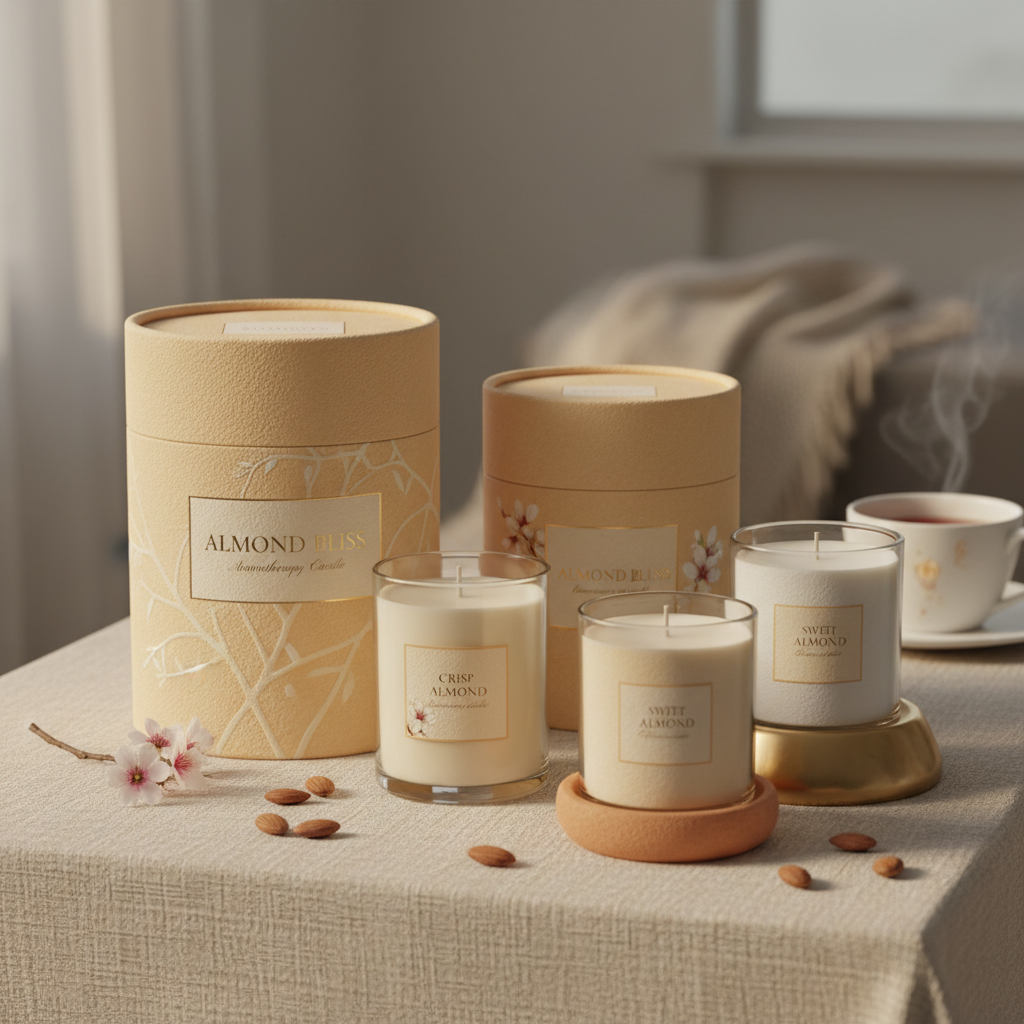
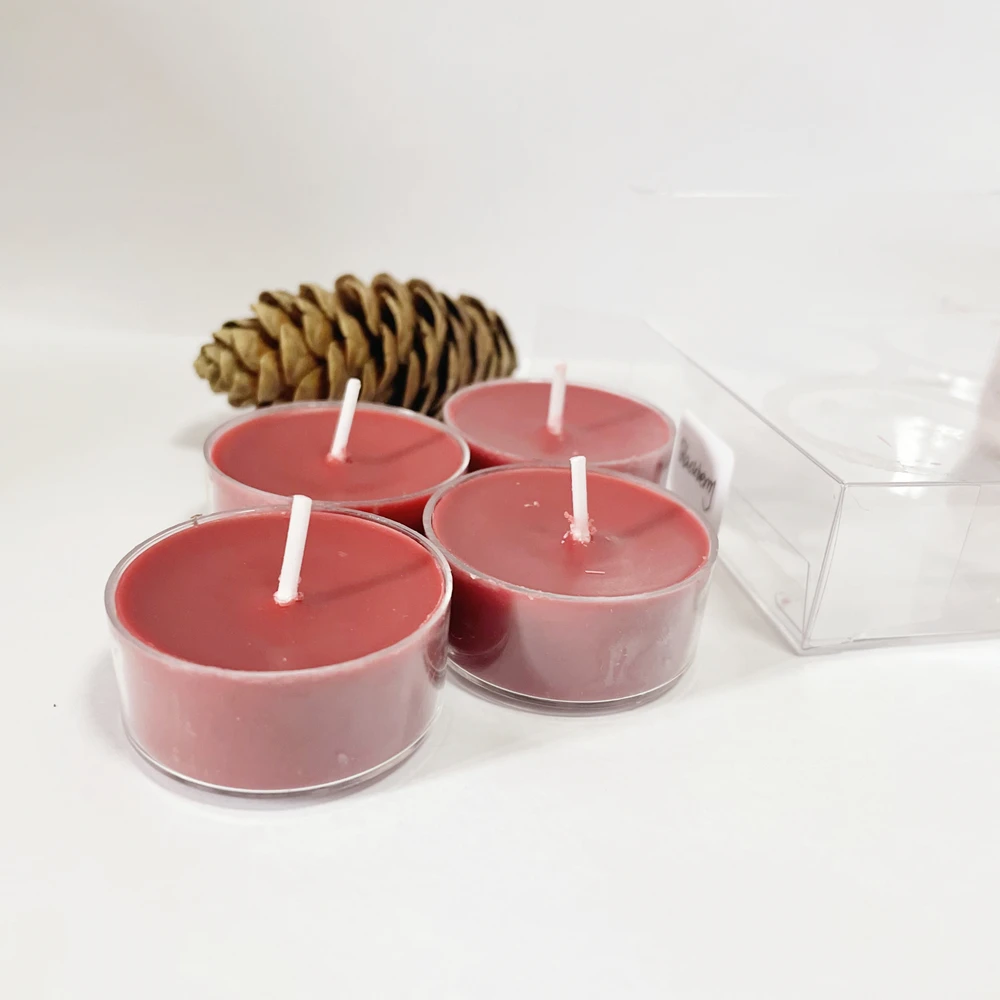
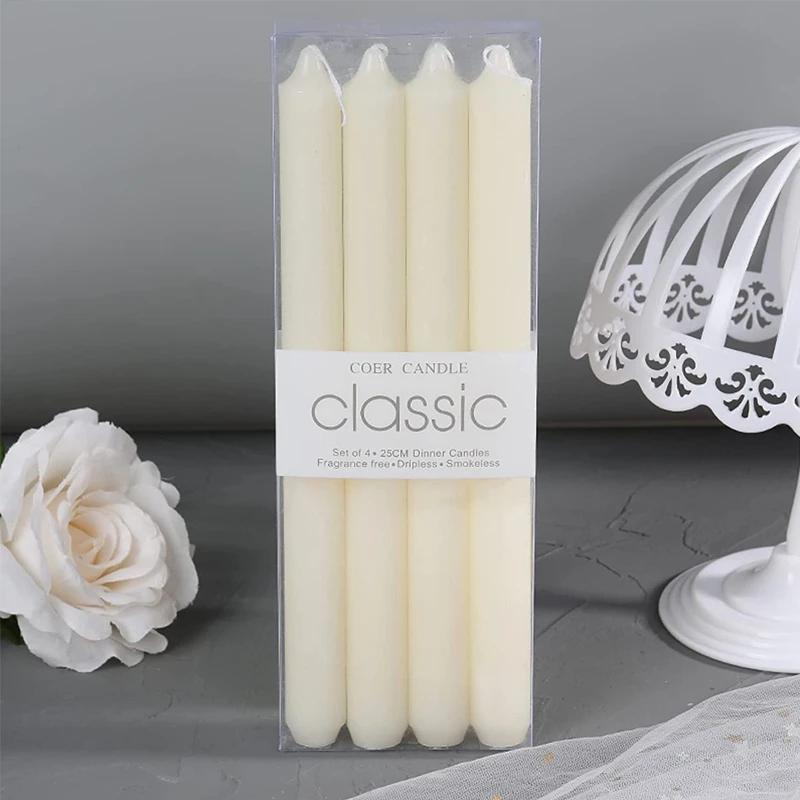
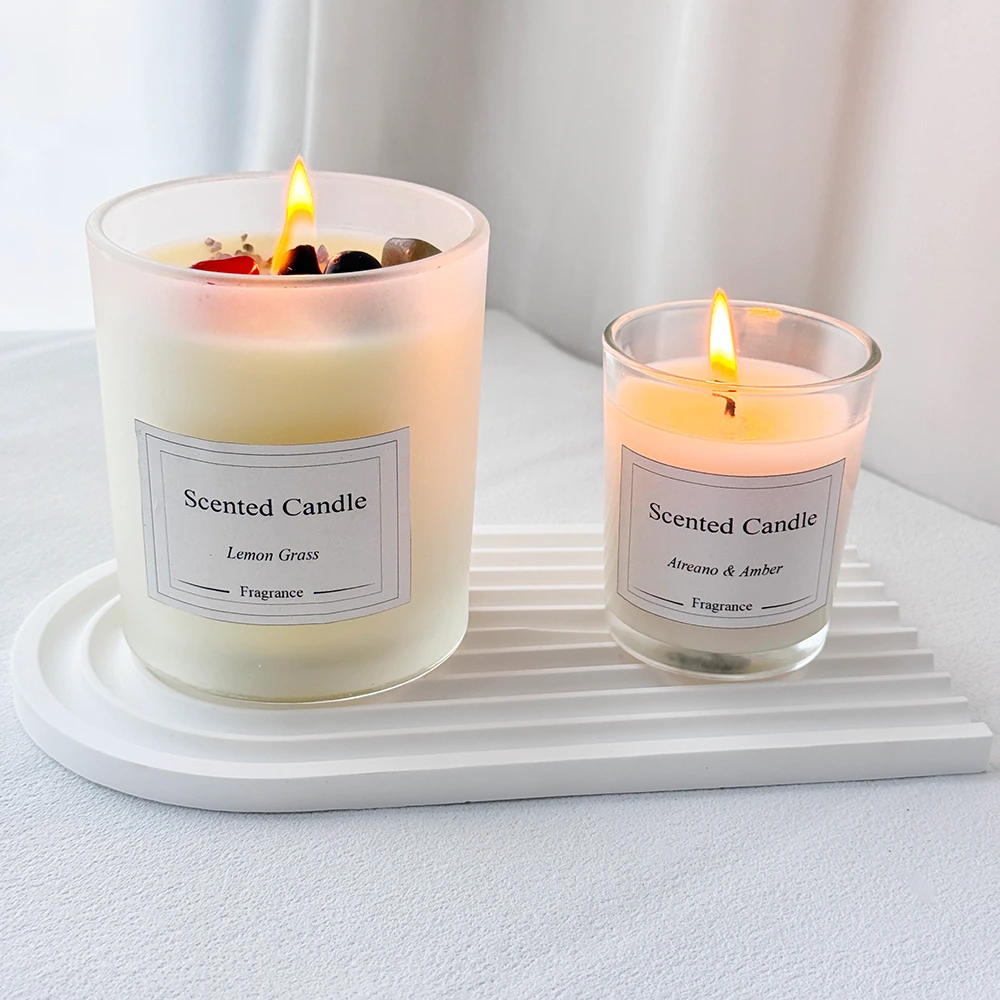
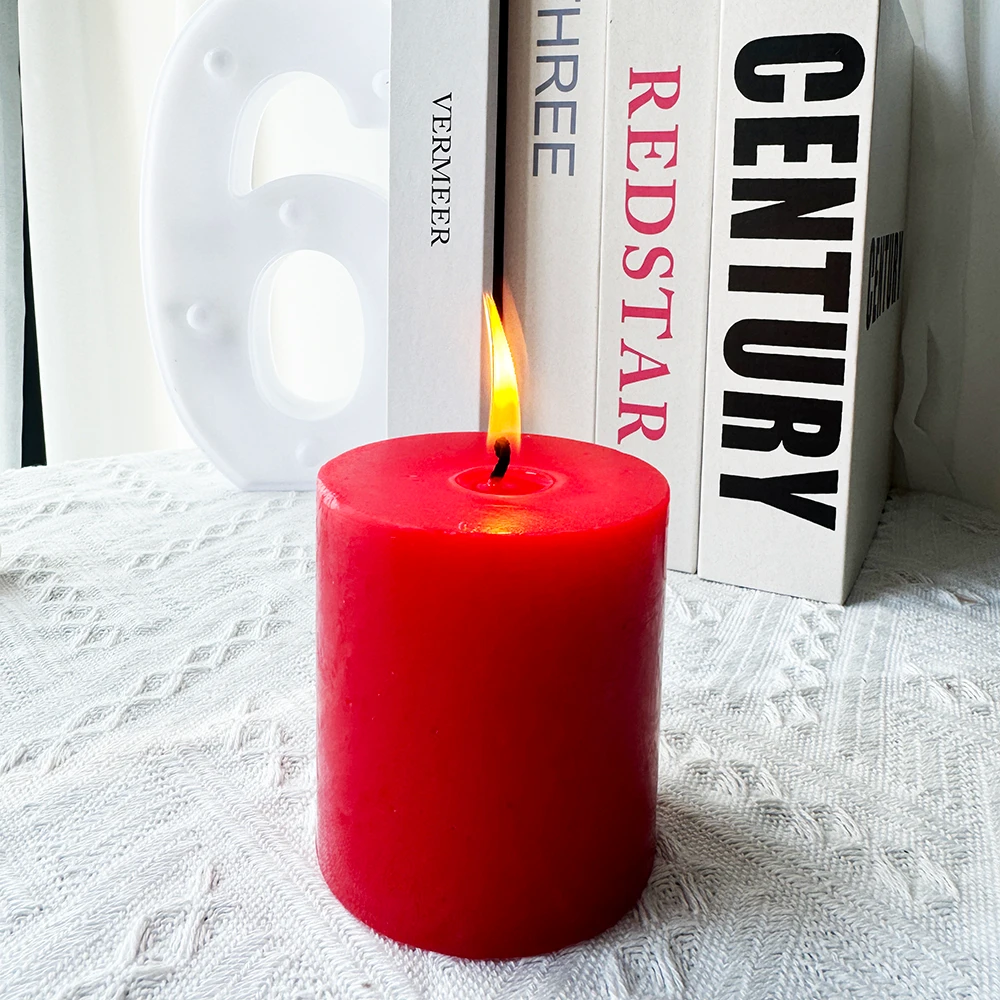
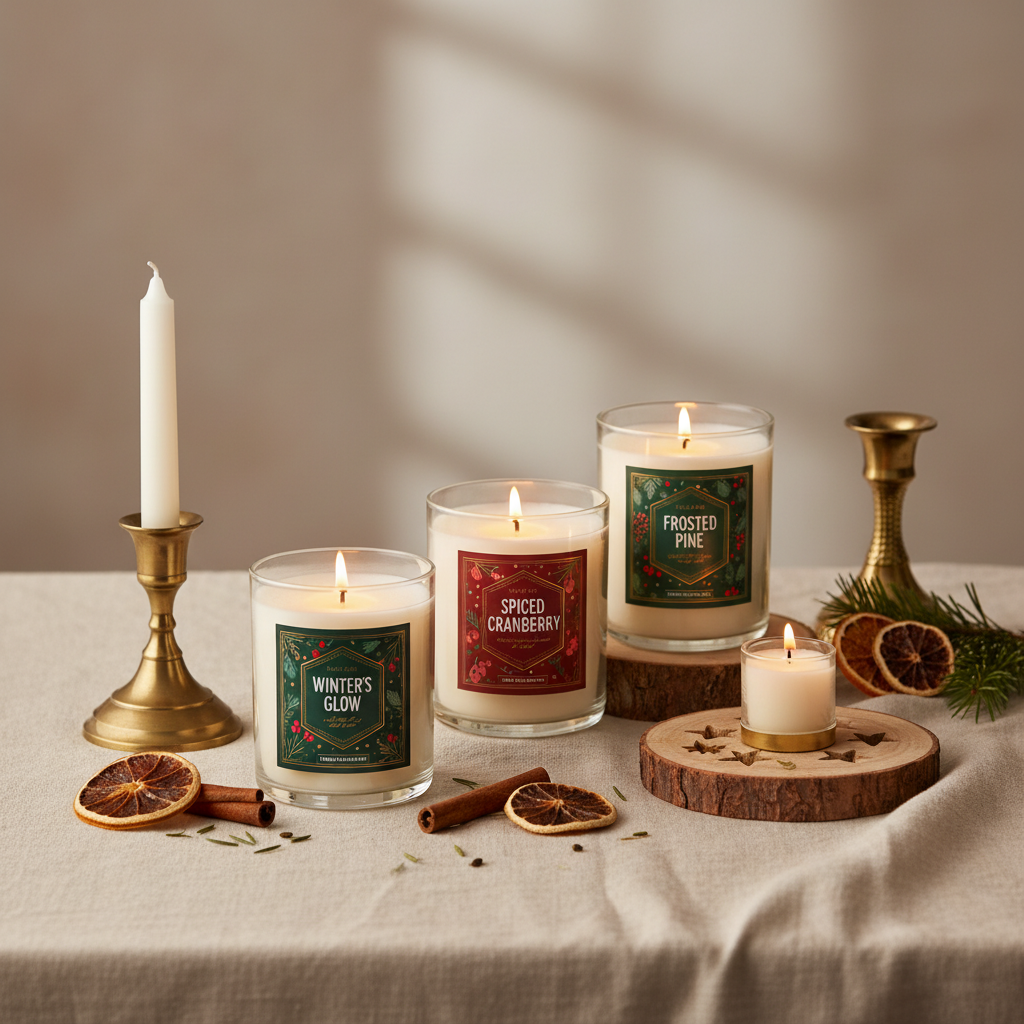
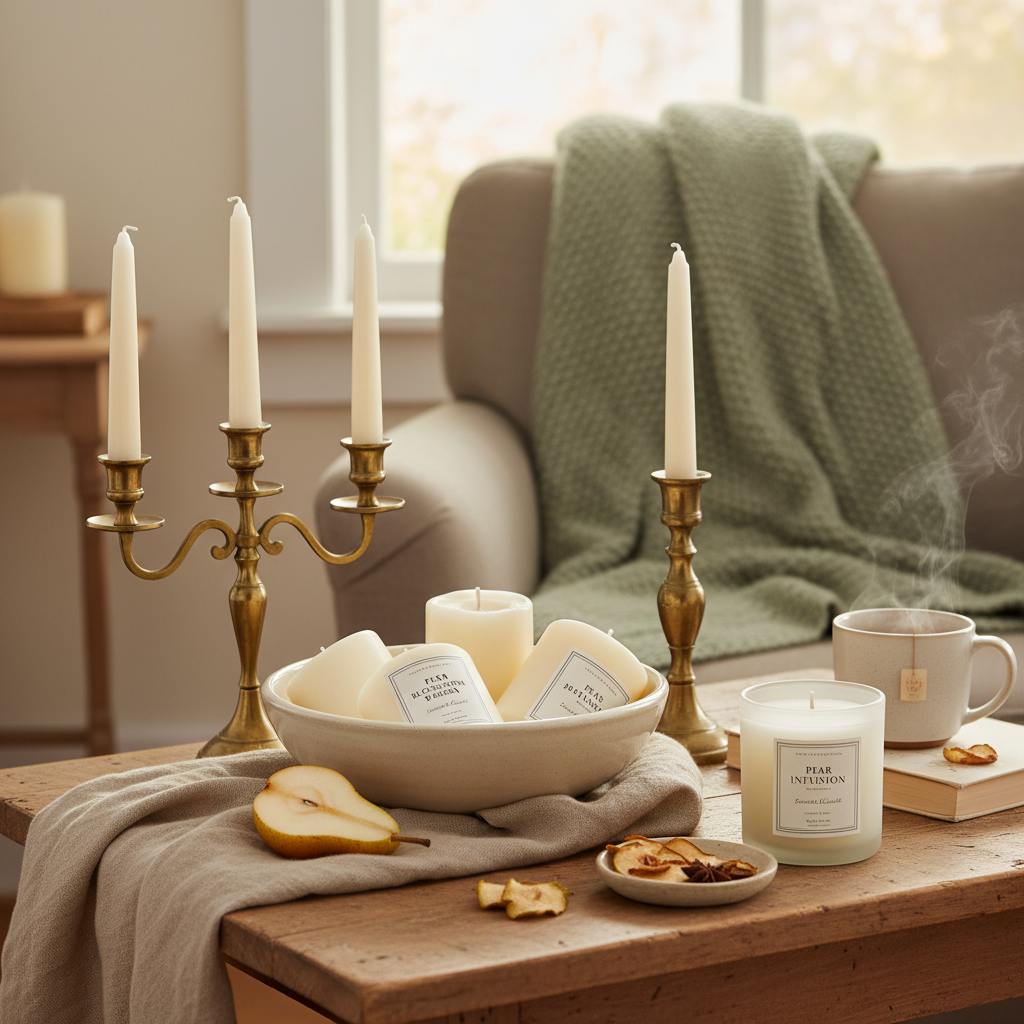
Look, I've spent years on dusty construction sites, hands-on with everything from concrete to cabling. And let me tell you, a little bit of comfort goes a long way. That’s where almond scented candles come in. It’s not just about making a space smell nice – it’s about improving morale, reducing stress, and even creating a more focused work environment. After a long day wrestling with steel beams, coming back to a trailer that doesn’t smell like sweat and diesel is a game changer.
We're constantly looking for ways to improve the well-being of our teams, and often overlook the impact of the environment. I've seen projects where morale plummeted due to cramped, unpleasant living quarters, and honestly, a simple touch like a subtly scented space can really lift spirits. It's a small investment for a significant return in productivity and team cohesion. It's not a luxury, it’s a smart investment.
And it’s not just for the trailers, either. We’ve started using them in our offices and even in some of the finishing stages of projects – creating a welcoming atmosphere for clients. First impressions matter, and a pleasant scent can make a huge difference. The whole idea of almond scented candles being a part of the project ecosystem wasn't something I initially thought of, but now it's a staple.
The Role of Almond Scented Candles in Construction Site Wellbeing
Look, construction is a tough gig. Long hours, physical labor, and stressful deadlines are the norm. I’ve seen guys get burned out fast. It’s not just about safety gear and proper tools; it’s about creating a space where people can relax, even if just for a few minutes. Almond scented candles – and I'm not just saying this because we're talking about them – provide a subtle, comforting aroma that can significantly reduce stress levels.
It’s the little things, right? Something as simple as a pleasant scent can make a huge difference in overall morale. I’ve found that teams working in areas with these candles seem more positive, more focused, and frankly, just happier. It’s not a magic bullet, but it’s a surprisingly effective tool for improving the work environment.
The Chemistry and Composition of Almond Scented Candles
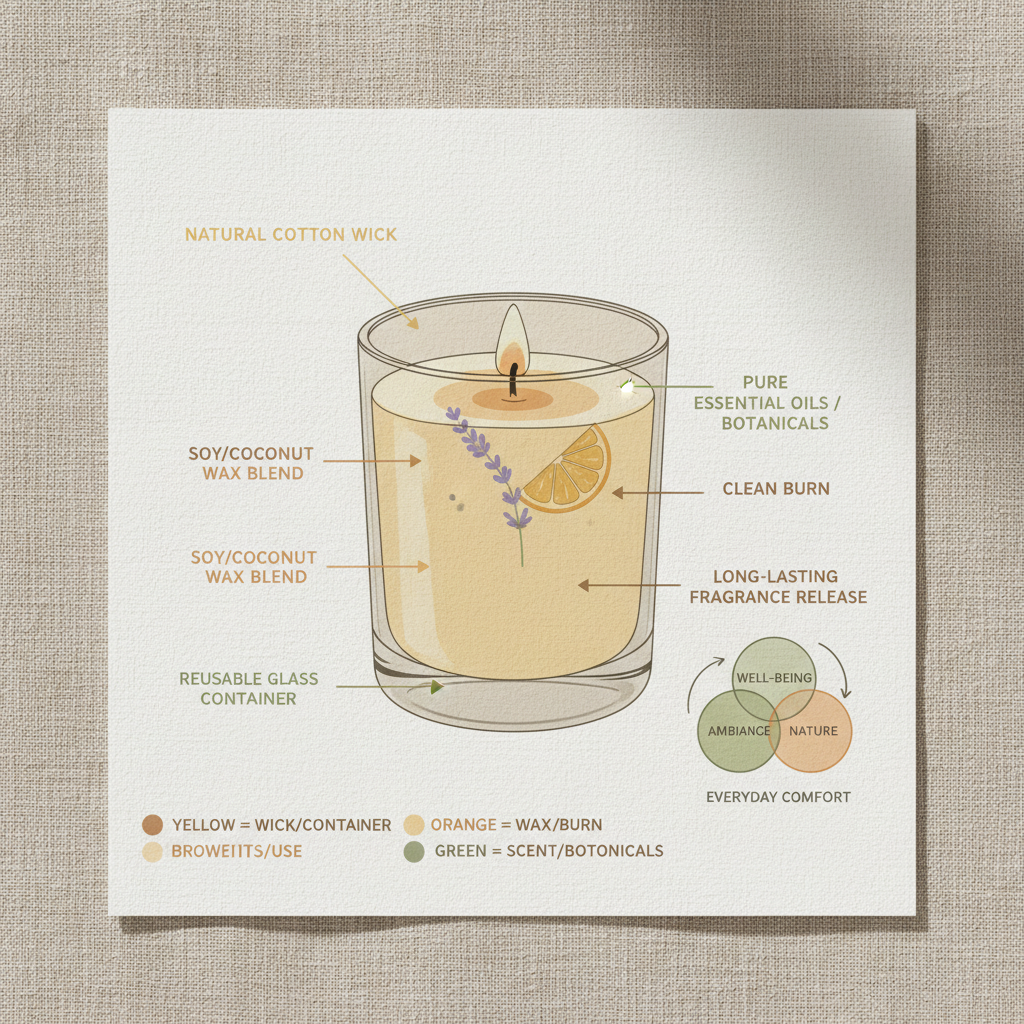
Now, I'm a practical guy, not a chemist, but I've done enough digging to understand what makes these candles tick. The key is the benzaldehyde, the chemical compound that gives almonds their distinct scent. It’s a relatively simple molecule, but it has a powerful effect on our olfactory system. The quality of the wax, usually soy or paraffin, matters too – you want a clean burn that doesn’t release harmful toxins.
We’ve experimented with different wax blends and fragrance concentrations to find the sweet spot. Too much fragrance can be overwhelming, especially in a small space. It's about finding a balance that provides a noticeable, but not overpowering, scent. I've seen candles with synthetic fragrances that just smell wrong. You want a natural, authentic almond aroma.
And it’s not just the scent itself. The heat from the flame also has a calming effect. It’s primitive, I guess – a connection to campfires and a sense of security. The almond scented candles aren’t just about the smell, they’re about creating a small pocket of tranquility in a chaotic environment.
Sourcing and Sustainability of Almond Scented Candle Materials
I’m increasingly concerned with where our materials come from. We need to know the supply chain is ethical and sustainable. For these candles, that means sourcing the almond oil responsibly. Are the almond farms using sustainable agricultural practices? Are the workers being treated fairly? These are the questions we ask.
The wax is another critical area. Soy wax is often touted as a sustainable alternative to paraffin, but even soy production has its environmental impacts. We’re looking at options like beeswax, which can be locally sourced and supports beekeepers, but it’s more expensive. It's a constant trade-off between cost, performance, and sustainability.
Ultimately, we’re aiming for transparency. We want to be able to tell our clients – and our workers – exactly where these almond scented candles come from and how they're made. It’s not just about doing the right thing; it’s about building trust.
Performance Metrics for Almond Scented Candles: Burn Time and Scent Throw
I’m a data guy at heart. We don’t just throw something onto a job site and hope for the best. We test it. For these candles, the key metrics are burn time and scent throw – how far the scent travels and how long it lasts. We’ve done blind tests with different brands and wax types.
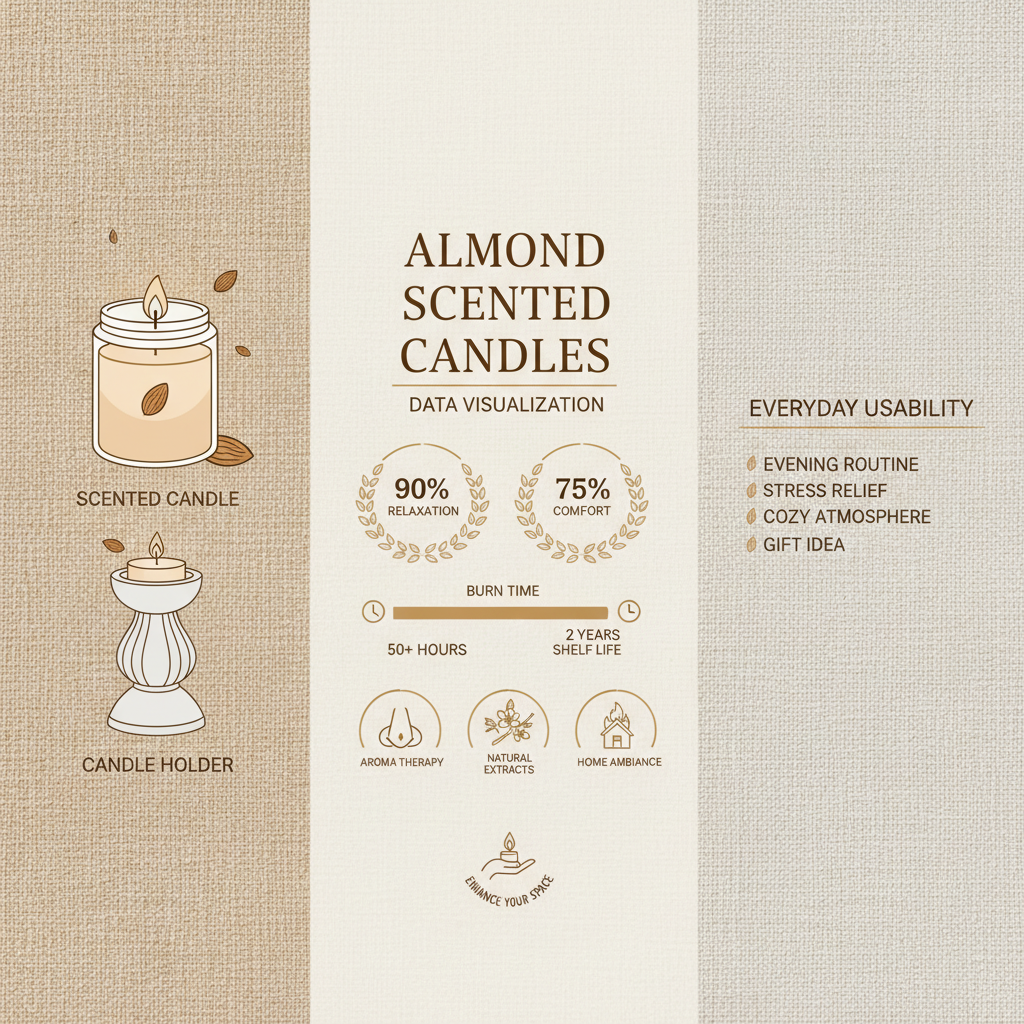
A good almond scented candle should burn for at least 50-60 hours. Scent throw is more subjective, but we’ve found that a scent that’s noticeable across a small trailer (around 200-300 square feet) is ideal. Anything more than that, and it can become overpowering.
Almond Scented Candle Performance Comparison
Global Applications of Almond Scented Candles in Work Environments
I've seen these candles used in all sorts of work settings. In the oil fields, they’re used in the temporary housing camps to provide a bit of comfort for the workers. It's a long way from home for those guys, and a familiar scent can really help with morale.
We’ve also started using them in our office spaces, especially in the reception areas. First impressions are important, and a subtly scented space can create a more welcoming atmosphere for clients. I've spoken with other PM's, and they use them in remote research stations, and even in some temporary hospital facilities. It’s about creating a more human environment, wherever you are.
The Long-Term Value of Integrating Almond Scented Candles into Project Budgets
Look, I know what you're thinking: “Candles? Really?” But hear me out. The cost of a few candles is negligible compared to the potential benefits. Increased morale, reduced stress, improved productivity – these all translate to real cost savings in the long run.
If you can prevent just one worker burnout or reduce the number of sick days, you’ve already paid for the candles ten times over. It’s a small investment in the well-being of your team, and a smart business decision.
Plus, it sends a message. It shows your workers that you care about their comfort and their well-being. And that, in itself, is priceless.
Future Trends and Innovations in Almond Scented Candle Technology
I’m seeing a lot of innovation in the candle industry. Companies are experimenting with new wax blends, sustainable fragrance options, and even smart candle technology – candles that can be controlled remotely or that automatically adjust the scent intensity.
I also think we’ll see more personalized scent experiences. Imagine a candle that can be customized to create a specific mood or atmosphere. Or candles that are infused with essential oils that have therapeutic benefits. The possibilities are endless.
We're looking into using biodegradable containers and packaging to further reduce our environmental impact. It’s all about finding ways to make these almond scented candles even more sustainable and responsible.
Summary of Key Factors Influencing Almond Scented Candle Effectiveness
| Fragrance Concentration |
Wax Type |
Burn Rate |
Environmental Impact |
| 7-10% – Optimal for noticeable scent without overpowering |
Soy Wax – Preferred for clean burn and sustainability |
0.5-1 inch per hour – Balanced for longevity and scent throw |
Low – Utilizing sustainable sourcing and biodegradable packaging |
| Below 5% – Weak scent, minimal impact |
Paraffin Wax – Cost-effective, but potential for soot and toxins |
Above 1.5 inch per hour – Rapid burn, short lifespan |
High – Non-renewable resources and potential pollution |
| 10-15% – Overpowering, potential for headaches |
Beeswax – Natural, but higher cost and potential allergens |
0.3 inch per hour - very slow burn. |
Moderate – Supporting local beekeepers, but potential for environmental concerns |
| 6% – good middle ground for scent throw and longevity |
Coconut Wax - Clean burning and strong scent throw, but expensive. |
0.8 inch per hour - good middle ground |
Low – sustainable resource and biodegradable |
| 8% – Effective for larger spaces |
Palm Wax - Offers excellent scent throw but sourcing needs to be carefully considered |
1.2 inch per hour - quicker burn for strong scent. |
High - significant environmental impact if not sustainably sourced |
| 9% – Optimal for focused, targeted scenting |
Gel Wax - Unique aesthetic but can release toxins if not carefully made. |
0.6 inch per hour - consistent and long lasting |
Moderate – can be environmentally harmful depending on the type of gel used. |
FAQS
Construction sites can be dusty and drafty, which can contribute to soot buildup. Always trim the wick to about ¼ inch before each burn. This helps to ensure a clean, even flame. Also, avoid placing the candles in direct drafts, and ensure there’s good ventilation. Using high-quality soy wax candles, like those from almond scented candles, can also minimize soot production.
Like any open flame, candles pose a potential fire risk. It’s crucial to never leave a burning candle unattended and to keep it away from flammable materials like wood, paper, and chemicals. Always place the candle on a stable, heat-resistant surface and make sure it’s out of reach of foot traffic. Following these safety precautions will significantly reduce the risk of fire.
Different waxes have varying properties. Soy wax generally burns cleaner and longer than paraffin wax, but may have a slightly weaker scent throw. Beeswax is natural and burns slowly, but can be more expensive. Palm wax has a strong scent throw but raises sustainability concerns if not sourced responsibly. almond scented candles prioritize soy wax for its balance of performance and sustainability.
Candles are sensitive to heat and light, which can degrade the fragrance over time. Store them in a cool, dark, and dry place. Avoid leaving them in direct sunlight or near sources of heat. Ideally, keep them in a sealed container to prevent the scent from dissipating. A tool box or a storage cabinet in the trailer works well.
Candles don’t actually neutralize odors, they mask them with a pleasant fragrance. While they won’t eliminate the smell of diesel or sawdust, they can create a more inviting atmosphere by covering up unpleasant scents. For heavy-duty odor control, you might need a separate air purification system, but candles are great for adding a touch of comfort.
Allergies are a concern. While almond scent is generally well-tolerated, some individuals may be sensitive. Before introducing almond scented candles to a job site, it’s a good idea to ask workers if they have any known allergies. You can also start with a small number of candles in a well-ventilated area to gauge reactions.
Conclusion
Ultimately, integrating almond scented candles into construction sites isn't about luxury; it's about investing in the wellbeing of the team. From reducing stress and improving morale to creating a more welcoming environment for clients, the benefits are far-reaching. It’s about paying attention to the details that make a difference.
Looking ahead, I see a growing trend towards prioritizing the human element in construction. We’re realizing that a happy, healthy workforce is a more productive workforce. I encourage you to consider the small things – like a thoughtfully chosen scent – that can contribute to a better work environment for everyone. To explore a range of options and find the perfect fit for your projects, visit our website: www.ouniscandle.com.