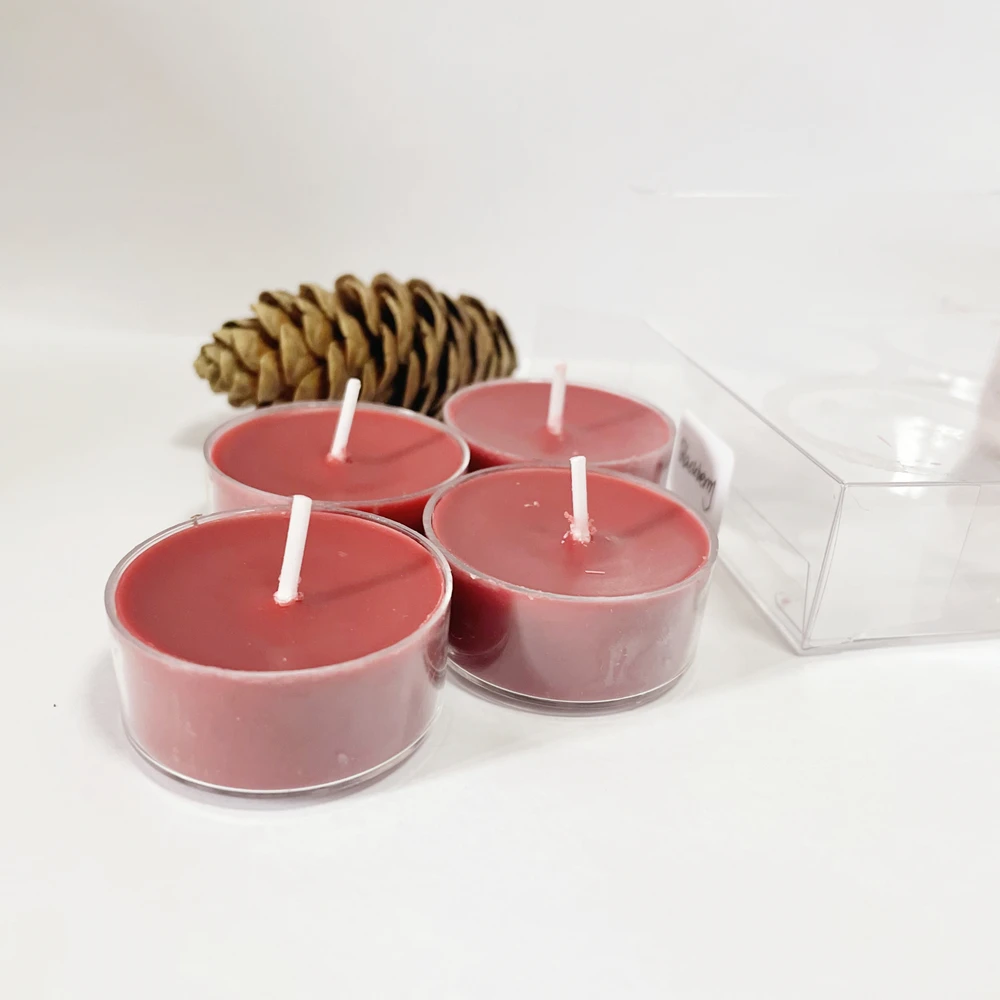
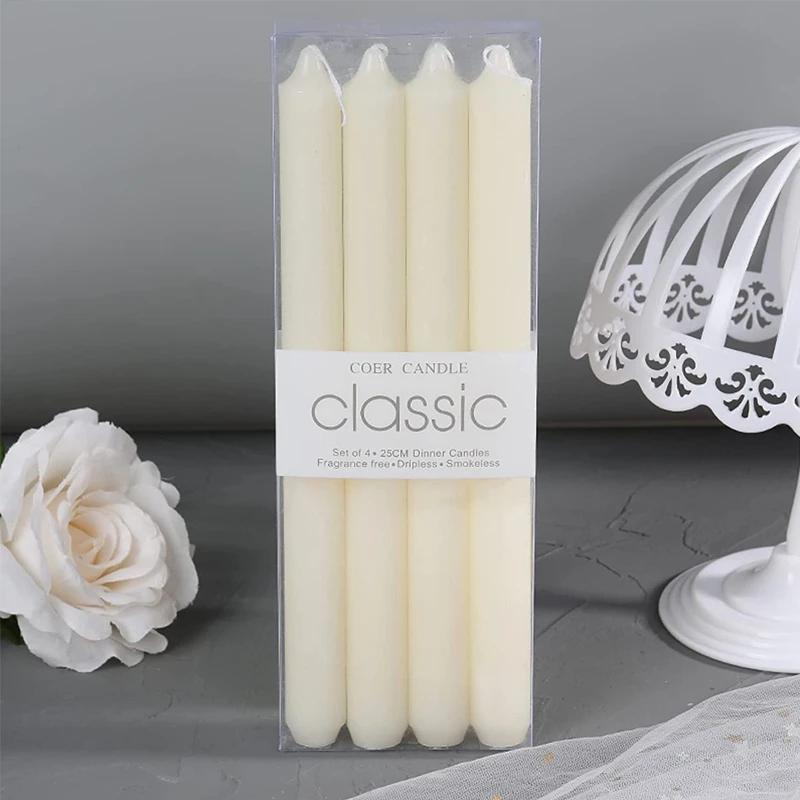
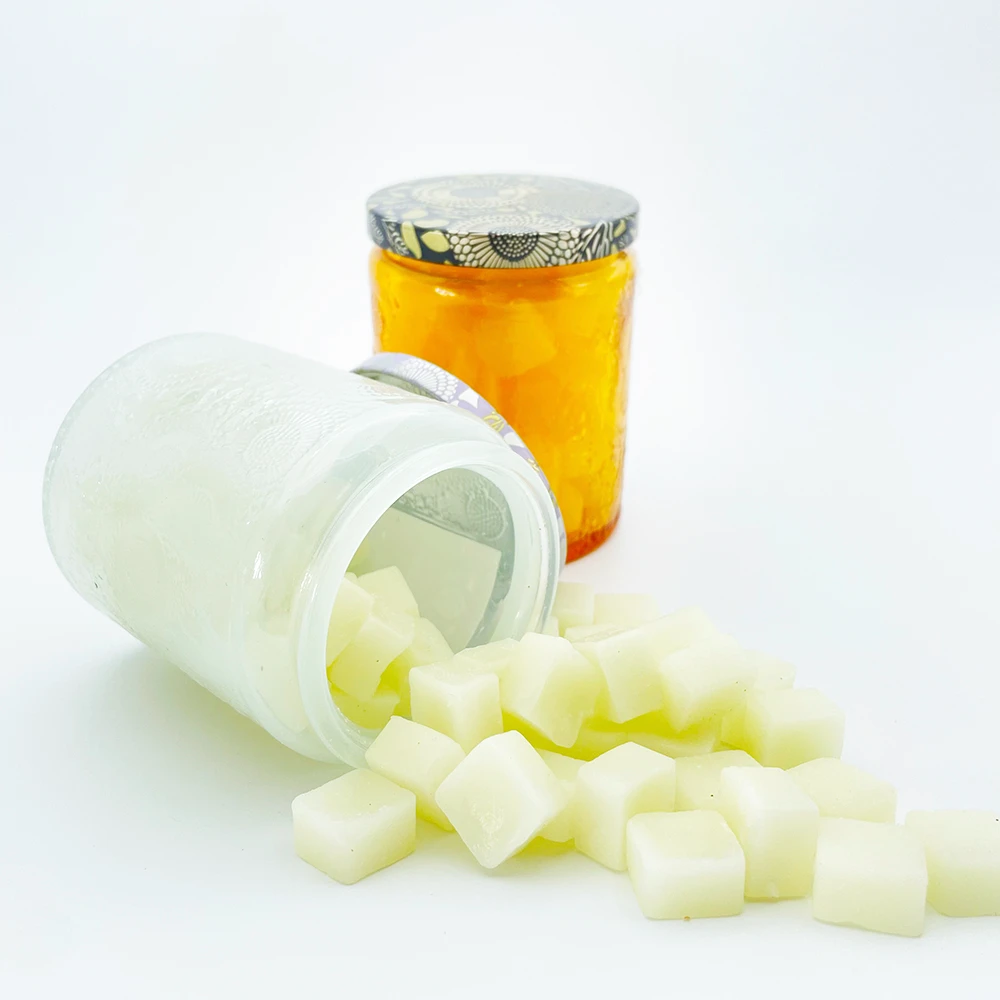
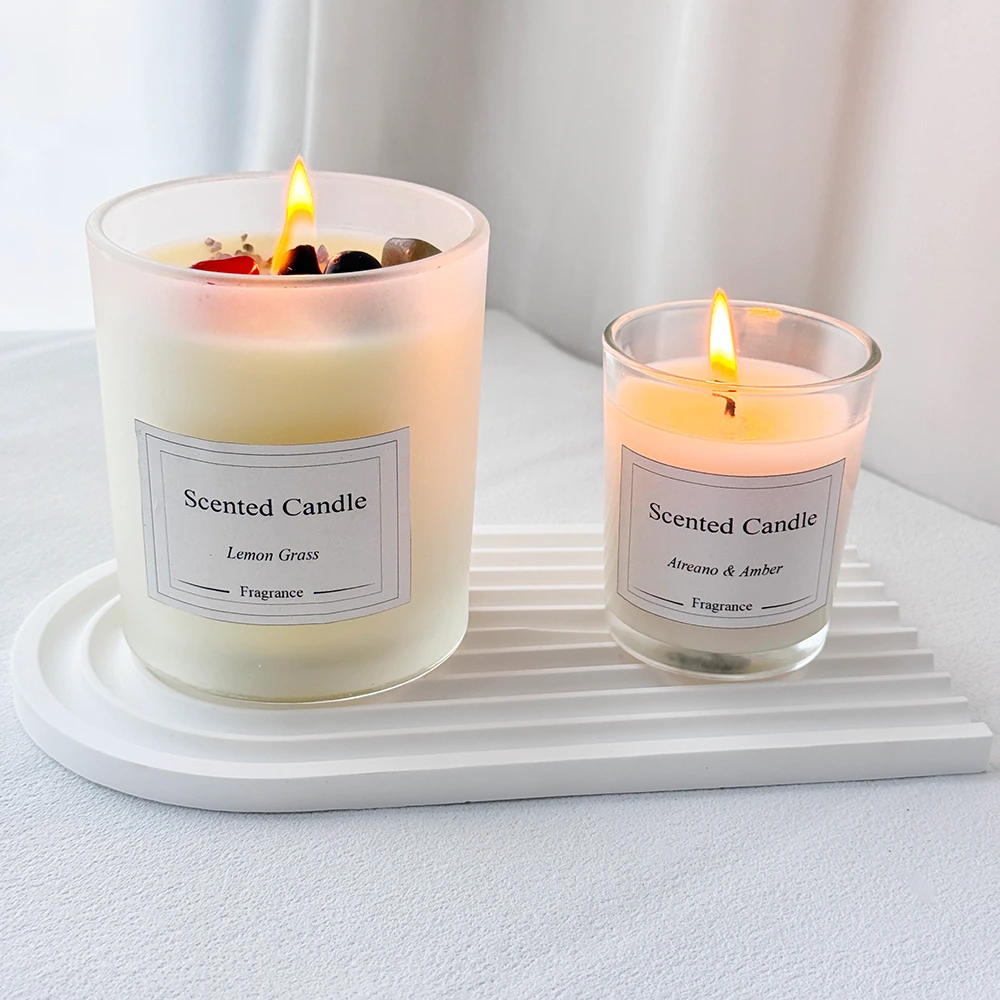
Natural scented candles have transcended mere home fragrance, becoming a cornerstone of modern well-being and a growing industry. Fueled by a desire for healthier, more sustainable living, consumers are increasingly turning away from synthetic fragrances and embracing the purity and therapeutic benefits of natural essential oils infused in candle wax. This shift represents a global trend, with demand surging across continents as people seek to create calming, restorative spaces in their homes and lives. Understanding the nuances of natural scented candles – from sourcing ingredients to production methods – is crucial for both consumers and industry professionals alike.
The global scented candle market is estimated to reach \$13.3 billion by 2027, with the natural segment experiencing the most rapid growth (Source: Grand View Research). This escalating demand is driven by increasing disposable incomes, a growing awareness of the harmful effects of synthetic chemicals, and a broader cultural embrace of aromatherapy and holistic wellness practices. However, challenges remain, including ensuring ethical sourcing of essential oils and maintaining transparency in labeling to prevent “greenwashing” - misleading consumers about a product's natural composition.
Ultimately, the importance of understanding natural scented candles extends beyond simply enjoying a pleasant aroma. It encompasses a conscious choice towards a healthier lifestyle, environmental responsibility, and support for ethical businesses committed to quality and sustainability. Investing in well-crafted natural scented candles is an investment in personal well-being and a more sustainable future.
Introduction: Global or Industry Context
The market for natural scented candles is experiencing exponential growth, aligning with a broader consumer movement towards wellness, sustainability, and mindful living. Driven by an increased understanding of the potential health concerns associated with synthetic fragrances – including allergies, respiratory irritation, and endocrine disruption – consumers are actively seeking out cleaner, more natural alternatives. The global essential oil market, a key component of natural scented candles, is projected to reach \$14.6 billion by 2027 (Source: Allied Market Research).
This growth is particularly prominent in North America and Europe, where consumers are more informed and have greater purchasing power. However, emerging markets in Asia-Pacific and Latin America are also demonstrating increasing demand as awareness grows and disposable incomes rise. The rise of e-commerce and direct-to-consumer brands has further democratized access to natural scented candles, allowing smaller, artisanal producers to compete with larger established companies.
Definition & Meaning
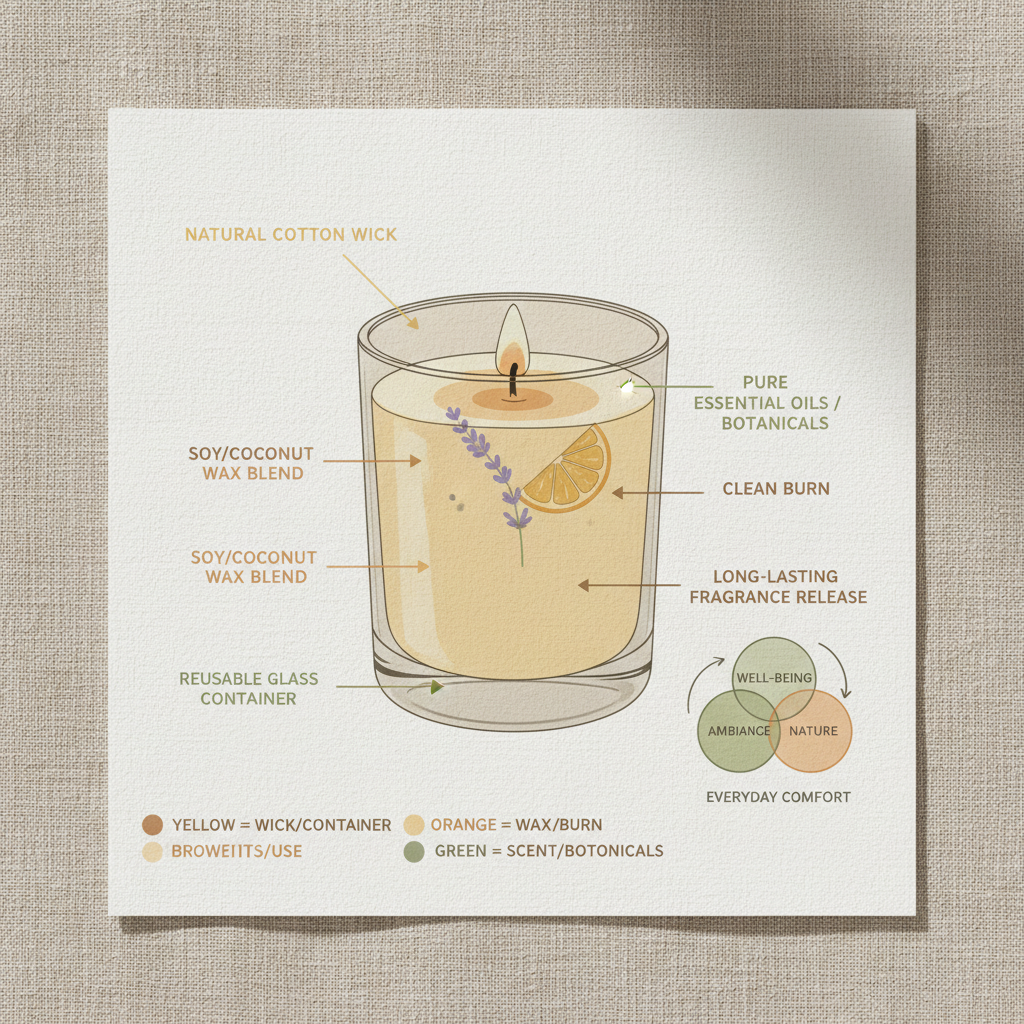
Natural scented candles are candles crafted using fragrances derived solely from natural sources, primarily essential oils extracted from plants. Unlike paraffin-based candles scented with synthetic fragrances, natural candles utilize waxes such as soy wax, beeswax, coconut wax, or rapeseed wax, offering a cleaner burn and reduced release of harmful toxins into the air. The defining characteristic lies in the absence of phthalates, parabens, synthetic dyes, and other artificial chemicals commonly found in mass-produced candles.
This connection to modern industry is profound, influencing product development, supply chains, and marketing strategies. Brands are prioritizing transparency, ethical sourcing, and sustainable practices to appeal to increasingly discerning consumers. The 'natural' label represents more than just ingredients; it embodies a commitment to environmental responsibility and consumer well-being.
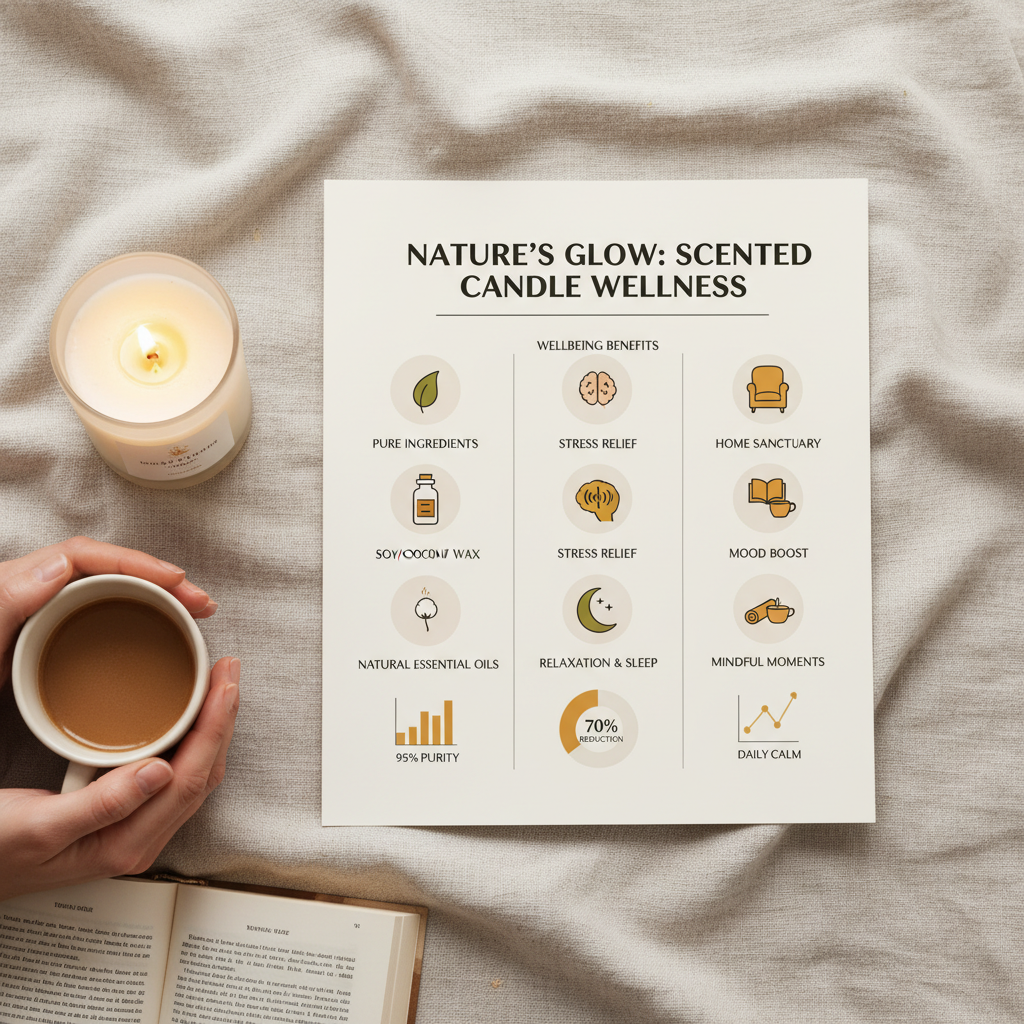
Beyond simply smelling pleasant, the use of essential oils in natural scented candles taps into the ancient practice of aromatherapy, offering potential therapeutic benefits such as stress reduction, improved sleep, and enhanced mood. This connection to holistic health further elevates the significance of natural candles beyond a decorative item.
Key Factors or Core Components
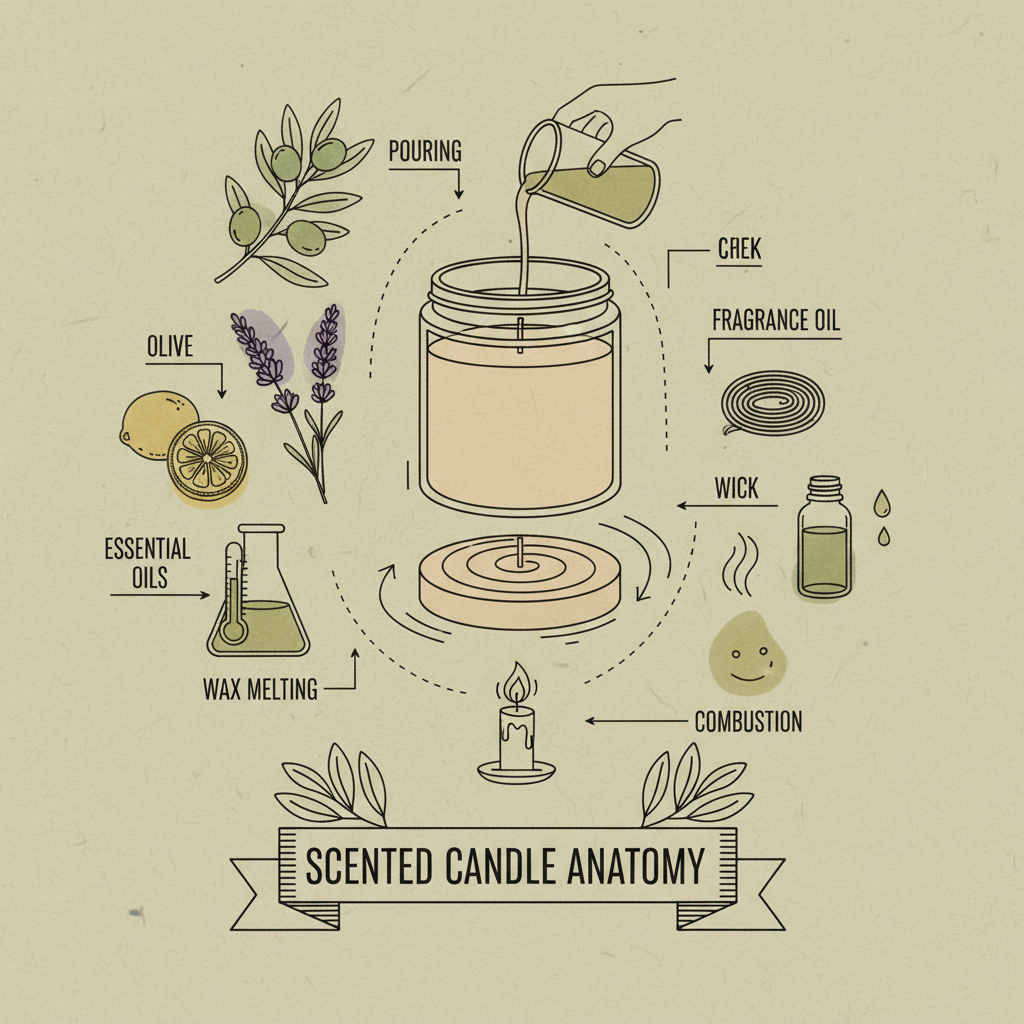
Several key factors contribute to the quality and effectiveness of natural scented candles. First, the quality of the essential oils used is paramount; sourcing from reputable suppliers who prioritize sustainable harvesting and rigorous testing is crucial. Second, the type of wax significantly impacts burn time, scent throw (how well the fragrance diffuses), and overall environmental impact. Soy wax and beeswax are popular choices due to their clean burning properties and renewable nature.
Third, the wick material influences the burn rate and potential for soot production. Cotton wicks are generally preferred, with lead-free options being essential. Finally, proper blending and curing are critical for ensuring a consistent and long-lasting fragrance. Curing allows the essential oils to fully integrate with the wax, resulting in a more potent and balanced scent. These components directly impact the practical application, delivering a healthier, more enjoyable aromatherapy experience.
These aspects are interlinked; a high-quality essential oil can be compromised by a poor-quality wax or wick. Understanding these core components allows consumers to make informed choices and appreciate the craftsmanship involved in creating a truly exceptional natural scented candle.
Global Applications & Use Cases
The applications of natural scented candles extend far beyond the home. Spas and wellness centers frequently utilize them to enhance the ambiance and create a calming atmosphere for clients. Hotels and hospitality businesses are increasingly incorporating natural candles into guest rooms and common areas as part of their commitment to providing a holistic and luxurious experience. Retail environments employ natural scents to create a welcoming and inviting shopping experience.
In the hospitality industry, particularly in boutique hotels and eco-lodges, natural scented candles are viewed as a key element of brand identity, signaling a commitment to sustainability and well-being. In remote industrial zones where air quality can be compromised, natural scented candles can offer a subtle yet effective way to improve the indoor environment and enhance employee morale.
Furthermore, the use of aromatherapy-focused natural candles is gaining traction in healthcare settings, such as assisted living facilities and therapy centers, to promote relaxation and reduce anxiety among patients. The growing emphasis on biophilic design – incorporating natural elements into built environments – is also driving demand for natural scented candles in both residential and commercial spaces.
natural scented candles Performance Metrics
Advantages & Long-Term Value
The advantages of opting for natural scented candles are multifaceted. From a health perspective, they eliminate exposure to potentially harmful synthetic chemicals. Environmentally, they support sustainable practices through the use of renewable waxes and ethically sourced essential oils. The longer burn times associated with quality waxes like beeswax often translate to greater cost-effectiveness over time, despite a potentially higher initial investment.
The long-term value extends beyond these tangible benefits. Natural scented candles contribute to a more conscious lifestyle, fostering a sense of connection to nature and promoting self-care. They provide a safe and dignified way to enhance well-being, offering an alternative to potentially irritating or allergenic synthetic fragrances. Investing in these candles represents a commitment to personal and planetary health, building trust with consumers and fostering brand loyalty.
Future Trends & Innovations
The future of natural scented candles is poised for exciting innovations. We're seeing a surge in the development of new and sustainable wax blends, such as those incorporating algae oil or recycled plant-based materials. Advancements in extraction techniques are improving the purity and potency of essential oils, leading to more nuanced and complex fragrances.
Smart candle technology, integrating features like programmable timers and scent diffusion control via mobile apps, is also emerging. Furthermore, the integration of digital traceability systems – utilizing blockchain technology – will enhance transparency and allow consumers to verify the origin and ethical sourcing of ingredients. These trends point towards a future where natural scented candles are not only a sensory experience but also a technologically advanced and ethically responsible choice.
Challenges & Solutions
Despite their growing popularity, natural scented candles face challenges. Maintaining consistent scent throw with natural essential oils can be more difficult than with synthetic fragrances, requiring careful blending and wax selection. The higher cost of ethically sourced essential oils can make natural candles more expensive than conventional alternatives, creating a price barrier for some consumers.
Greenwashing – the practice of misleadingly marketing products as ‘natural’ – remains a significant concern. Solutions include increased industry regulation, third-party certifications (such as those verifying organic or sustainable sourcing), and greater consumer education. Brands can address scent throw challenges through innovative wax formulations and wick technology.
Ultimately, fostering transparency and prioritizing quality over cost is crucial for overcoming these hurdles and ensuring the continued growth and integrity of the natural scented candle market.
Summarizing Core Challenges and Potential Solutions in the Natural Scented Candle Industry
| Challenge |
Impact on Consumers |
Potential Solution |
Implementation Difficulty (1-10) |
| Inconsistent Scent Throw |
Reduced Customer Satisfaction |
Optimized Wax/Wick Combinations |
6 |
| Higher Production Costs |
Increased Retail Price |
Streamlined Supply Chain |
7 |
| Greenwashing & Mislabeling |
Erosion of Consumer Trust |
Independent Certifications |
5 |
| Limited Essential Oil Availability |
Supply Chain Disruptions |
Diversified Sourcing |
8 |
| Consumer Education Gap |
Lack of Understanding of Benefits |
Transparency in Ingredients |
4 |
| Sustainability Concerns (Wax & Packaging) |
Environmental Impact |
Eco-Friendly Materials |
6 |
FAQS
The primary difference lies in the ingredients. Paraffin candles are made from a petroleum byproduct, while natural candles utilize waxes like soy, beeswax, or coconut wax. Natural candles are scented with essential oils, avoiding synthetic fragrances often found in paraffin candles. This results in a cleaner burn with fewer toxins released, making natural candles a healthier and more environmentally friendly choice. Synthetic fragrances can also trigger allergies or sensitivities, whereas essential oils often offer aromatherapy benefits.
Look for candles that explicitly state they are made with 100% essential oils and natural waxes like soy, beeswax, or coconut wax. Avoid candles listing "fragrance" or "parfum" as ingredients, as these often indicate synthetic scents. Third-party certifications (like those verifying organic or sustainable sourcing) can provide added assurance. Reputable brands will be transparent about their ingredients and sourcing practices on their websites or product labels.
Generally, yes. Ethically sourced essential oils and natural waxes tend to be more expensive than paraffin and synthetic fragrances. However, consider the long-term value – natural candles burn cleaner and longer, and offer potential health benefits. Investing in a higher-quality natural candle can be more cost-effective in the long run, and supports sustainable and ethical practices.
To maximize your candle’s lifespan, always trim the wick to ¼ inch before each burn. This prevents smoking and ensures a clean burn. Burn the candle for at least 2-3 hours on the first burn to establish a full melt pool. Avoid burning the candle for more than 4 hours at a time. Keep the candle away from drafts and direct sunlight. Store in a cool, dry place when not in use.
Scent throw refers to how well a candle’s fragrance fills a room. Natural candles can sometimes have a softer scent throw compared to paraffin candles due to the lighter molecular weight of essential oils. However, this can be improved by using a quality wax, a properly sized wick, and allowing the candle to burn long enough to create a full melt pool. The concentration and type of essential oil also significantly impact scent throw.
While generally safer than paraffin candles, it’s still important to exercise caution. Some essential oils can be toxic to pets if ingested. Always burn candles out of reach of children and pets, and ensure the room is well-ventilated. Avoid burning candles with essential oils known to be harmful to animals (like tea tree oil) if you have pets.
Conclusion
In conclusion, natural scented candles represent a compelling intersection of wellness, sustainability, and sensory pleasure. Their growing popularity reflects a broader shift towards conscious consumerism and a desire for products that prioritize health and environmental responsibility. Understanding the core components, applications, and future trends within this market empowers both consumers and industry professionals to make informed decisions and contribute to a more sustainable future.
Looking ahead, continued innovation in wax formulations, essential oil extraction, and sustainable packaging will further elevate the natural scented candle industry. By embracing transparency, ethical sourcing, and a commitment to quality, we can ensure that these candles continue to offer a safe, enriching, and environmentally responsible way to enhance our homes and well-being. Explore our collection of premium natural scented candles and experience the difference today!