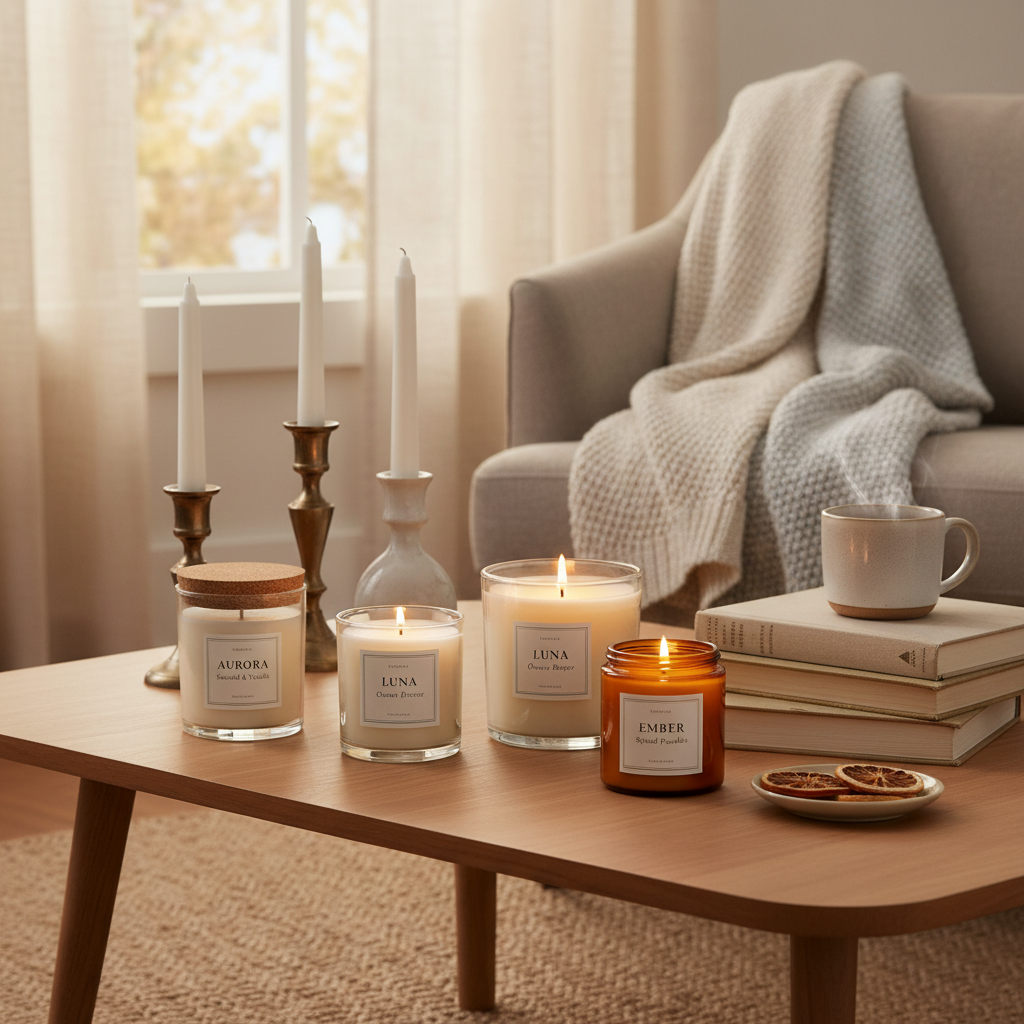
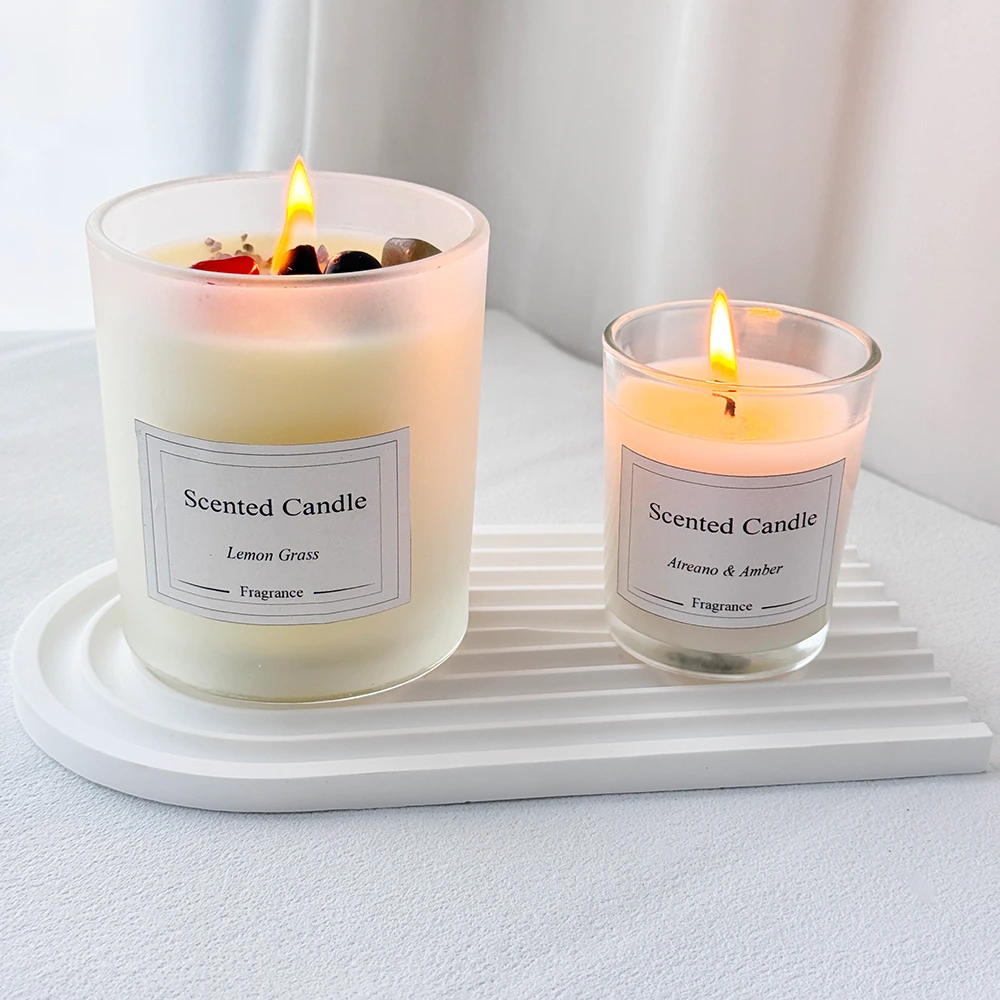
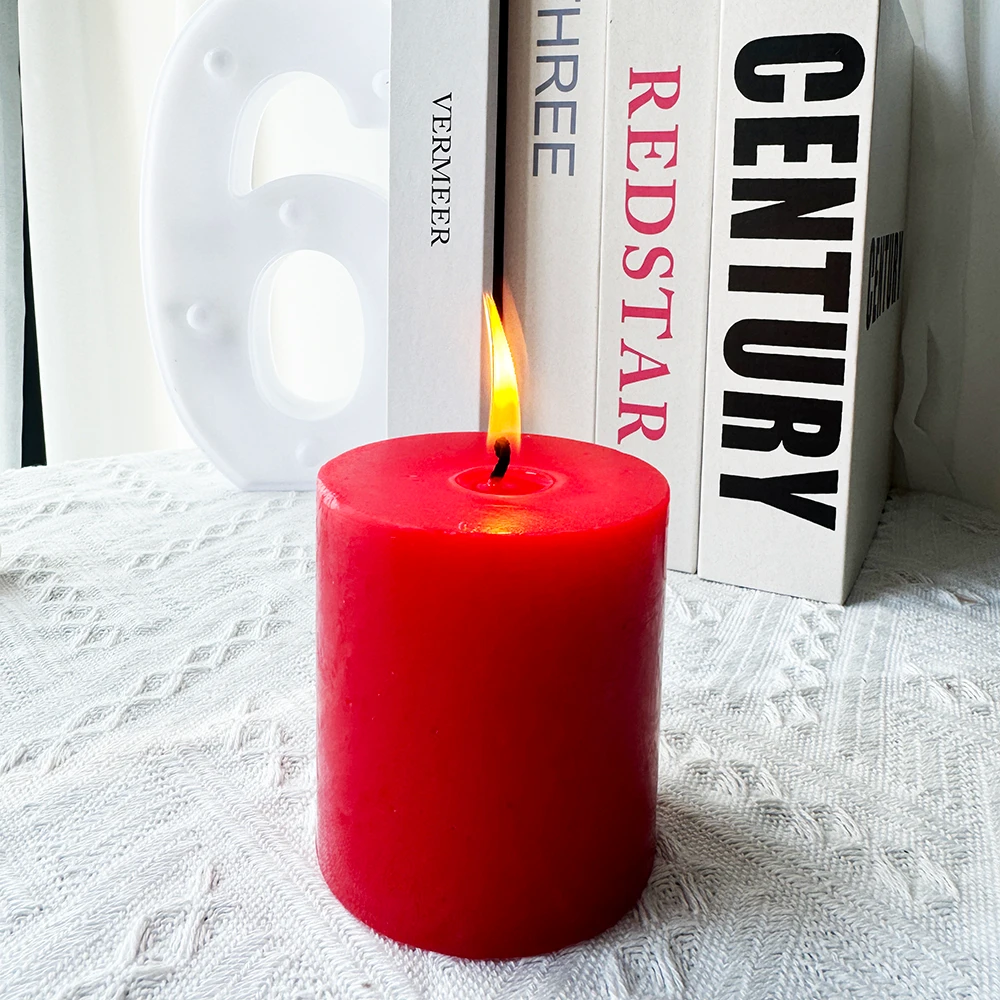
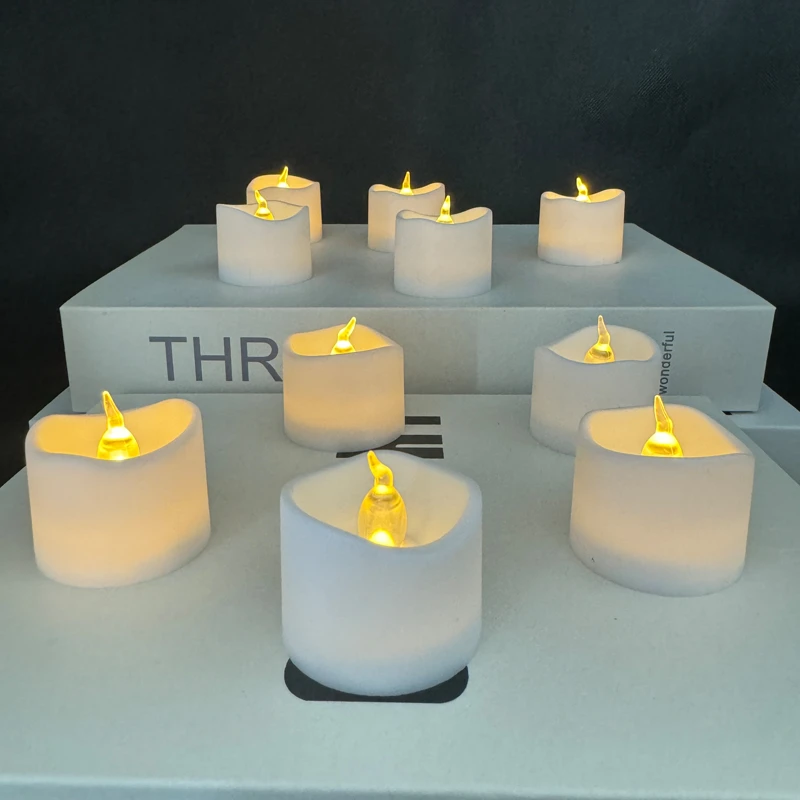
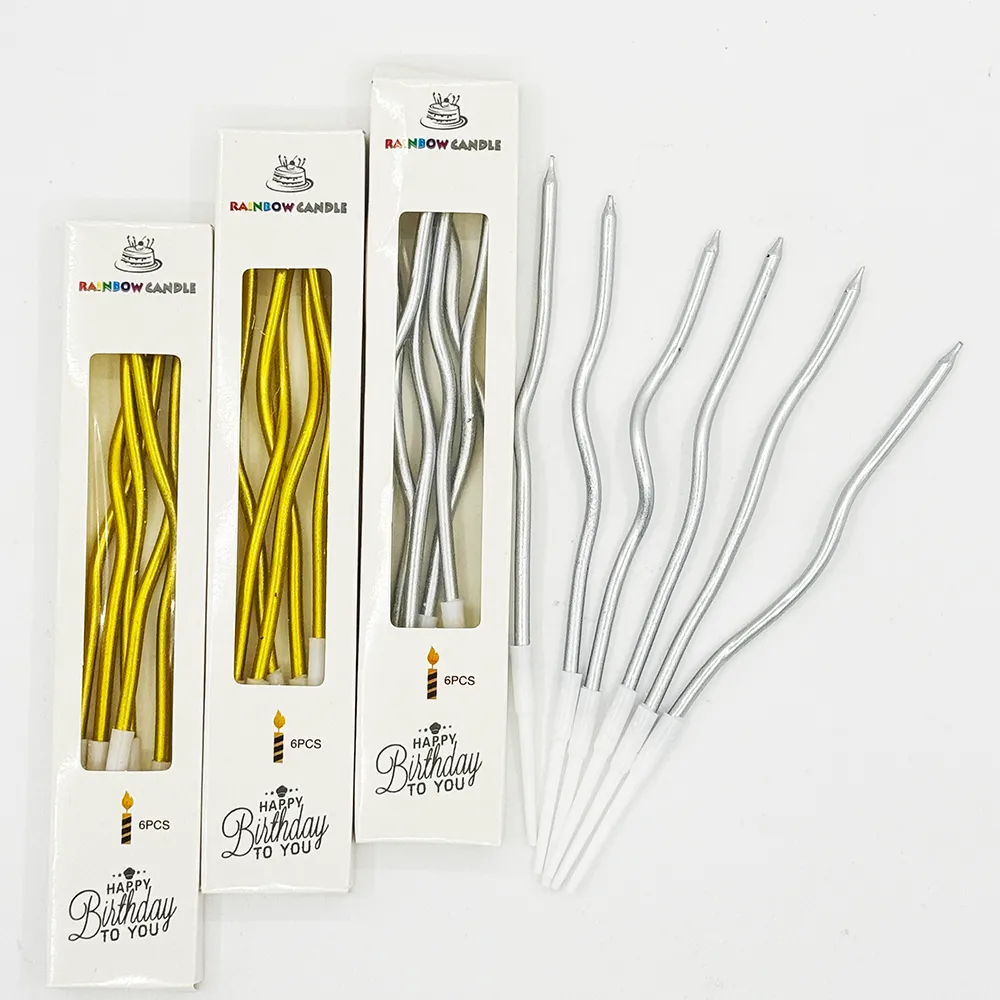
The allure of a beautifully scented home is timeless, and the market for good scented candles has seen consistent global growth. More than just a pleasant aroma, these candles represent an accessible luxury, a method of self-care, and an integral component of creating a welcoming atmosphere. From bustling urban centers to remote rural communities, the demand for enriching sensory experiences drives the continuous innovation and expansion of the scented candle industry.
The global scented candle market is experiencing significant expansion, fueled by rising disposable incomes, increasing consumer awareness of well-being, and a growing trend towards home decoration. Valued at approximately $7.5 billion in 2023, the industry is projected to reach $10.2 billion by 2028, exhibiting a CAGR of 6.5% (source: Grand View Research). This growth underscores the pivotal role that scented candles play in modern lifestyles, particularly as individuals seek to create calming and personalized living spaces.
However, the industry faces challenges relating to sustainability – sourcing of waxes and fragrances, packaging materials, and the overall carbon footprint of production. Addressing these concerns through eco-friendly practices and transparent supply chains is crucial for the long-term viability and responsible growth of the good scented candles market.
The Significance of Scented Candles
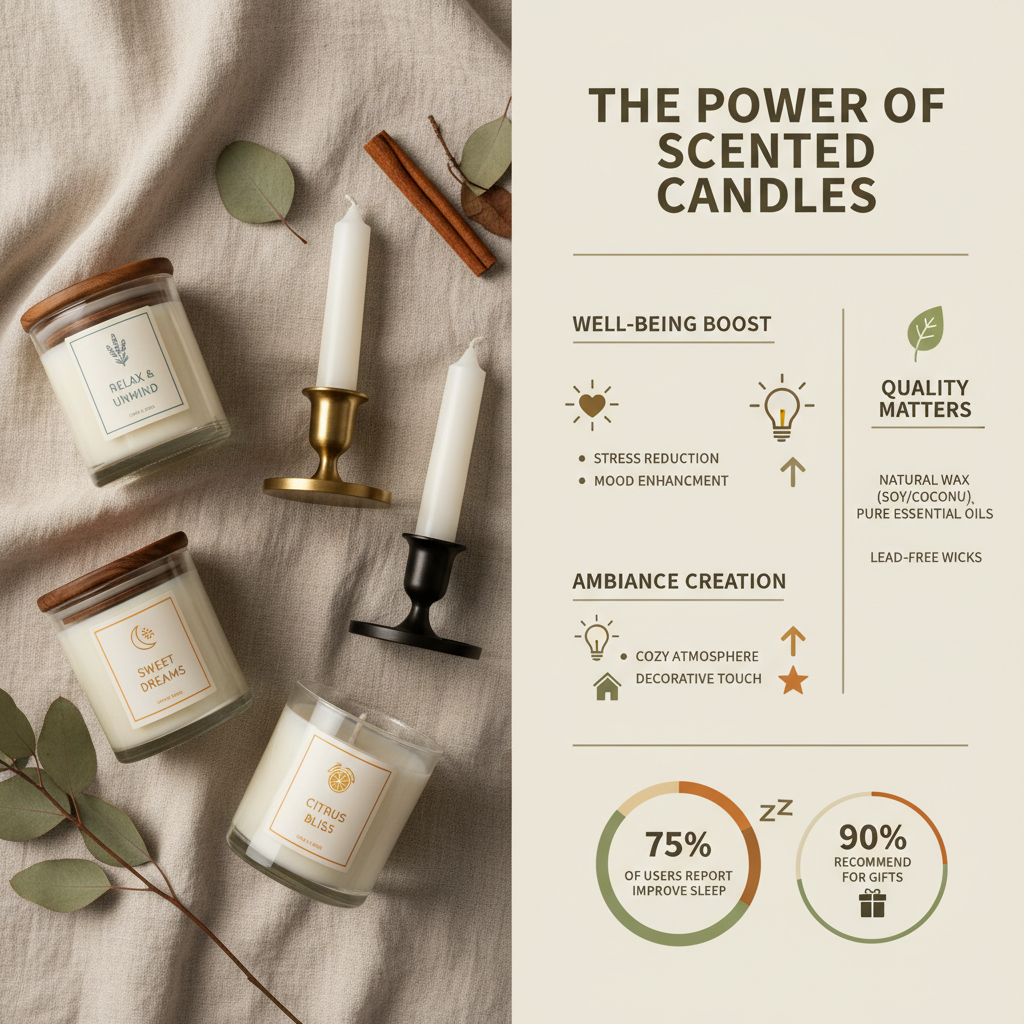
Scented candles have evolved from simple illumination to powerful tools for ambiance and emotional well-being. The carefully crafted fragrances within good scented candles tap into our memories and emotions, creating personalized experiences. The significance lies in the ability to transform a space, reduce stress, and evoke feelings of comfort and joy.
This impact extends beyond the individual consumer; the scented candle industry contributes significantly to economies globally, supporting artisans, manufacturers, and retailers. The ongoing demand for premium quality and unique scent profiles demonstrates the enduring relevance of this product category.
Defining Good Scented Candles
Defining "good" in the context of scented candles encompasses more than just a pleasant smell. It refers to a holistic evaluation of the candle's composition, performance, and environmental impact. A truly good scented candle utilizes high-quality waxes (such as soy, beeswax, or coconut wax) that burn cleanly and evenly, releasing fragrance effectively without producing excessive soot.
The fragrance oils used are also critical – premium oils are often derived from natural essential oils or carefully formulated fragrance blends that are phthalate-free and safe for inhalation. Furthermore, a good scented candle boasts a strong scent throw (the ability to diffuse fragrance throughout a room) and a reasonable burn time, providing lasting enjoyment.
Ultimately, a good scented candle is a carefully crafted product that prioritizes quality, safety, and a delightful sensory experience, reflecting a commitment to both consumer satisfaction and environmental responsibility.
Key Components of Quality
Several core components contribute to the overall quality of good scented candles. The first is the wax type: Soy wax, beeswax, and coconut wax are preferred for their clean burning properties and sustainability compared to paraffin wax. Each wax affects scent throw and burn time differently.
Secondly, fragrance concentration is paramount. The percentage of fragrance oil directly impacts the strength and longevity of the scent. Higher concentrations (typically 6-10%) generally yield a more pronounced and lasting aroma, but balance is key to avoid overpowering the space.
Thirdly, the wick material and size play a crucial role in ensuring a clean, even burn. Cotton wicks are common, but wooden wicks are gaining popularity for their crackling sound and aesthetic appeal. Correct wick sizing prevents tunneling (where the wax burns down the center) and maximizes scent throw. Finally, the vessel quality contributes to safety and aesthetic appeal.
Global Applications and Market Segments
The application of good scented candles is remarkably diverse, spanning residential, commercial, and wellness sectors. In homes, they are used for aromatherapy, creating ambiance during relaxation, and enhancing social gatherings. The hospitality industry utilizes them to create welcoming and luxurious atmospheres in hotels, spas, and restaurants.
The retail sector benefits from scented candles as impulse purchases and gifts. Spas and wellness centers leverage aromatherapy benefits for stress reduction and mood enhancement. Geographically, North America and Europe represent the largest markets, followed by Asia-Pacific, which is experiencing rapid growth due to rising disposable incomes and changing lifestyles.
Scented Candle Market Share by Fragrance Type
Advantages and Long-Term Value Proposition
The benefits of incorporating good scented candles into daily life extend beyond aesthetics. From a psychological perspective, specific scents can trigger positive emotions, reduce anxiety, and improve sleep quality. Aromatherapy benefits are well-documented, with lavender promoting relaxation and citrus scents boosting energy.
From a sustainability standpoint, choosing candles made with natural waxes and eco-friendly packaging reduces environmental impact. Consumers are increasingly prioritizing brands that demonstrate a commitment to ethical and sustainable practices, driving demand for responsibly sourced good scented candles.
Future Trends in Scented Candle Innovation
The future of the scented candle industry lies in innovation and sustainability. We are seeing a growing trend towards personalized fragrances, where consumers can create custom scent blends. Smart candles, integrated with technology for remote control and automated scheduling, are also gaining traction.
Further advancements in wax technology, exploring alternatives to soy and beeswax, are expected. The use of biodegradable and compostable packaging materials is becoming increasingly prevalent, driven by consumer demand and environmental regulations. Collaboration with perfumers and artists will also lead to more unique and sophisticated scent profiles.
Challenges and Sustainable Solutions
Despite the growth potential, the scented candle industry faces challenges related to sustainability, ethical sourcing, and consumer safety. The reliance on paraffin wax, a petroleum byproduct, remains a concern. Sourcing of fragrance oils also requires careful scrutiny to ensure responsible practices and avoid harmful chemicals.
Solutions include transitioning to renewable waxes, implementing transparent supply chains, and investing in research and development of eco-friendly fragrance alternatives. Educating consumers about the benefits of sustainable choices and supporting brands that prioritize ethical practices is crucial. Furthermore, improved labeling regulations can enhance transparency and empower informed purchasing decisions.
Addressing these challenges proactively will ensure the long-term health and viability of the good scented candles market, allowing it to thrive as a responsible and enriching industry.
Summary of Challenges and Sustainable Solutions for Good Scented Candles
| Challenge |
Impact |
Sustainable Solution |
Implementation Difficulty (1-10) |
| Paraffin Wax Usage |
Environmental Concerns, Potential Health Risks |
Transition to Soy, Beeswax, or Coconut Wax |
6 |
| Fragrance Oil Sourcing |
Ethical Concerns, Potential for Harmful Chemicals |
Use of Natural Essential Oils, Phthalate-Free Blends |
7 |
| Packaging Waste |
Environmental Pollution, Landfill Overflow |
Biodegradable and Compostable Packaging |
5 |
| Soot Emissions |
Indoor Air Quality, Potential Health Impacts |
Proper Wick Trimming, High-Quality Wax |
4 |
| Lack of Transparency |
Consumer Distrust, Difficulty Making Informed Choices |
Clear Labeling, Supply Chain Traceability |
8 |
| Carbon Footprint |
Contribution to Climate Change |
Local Sourcing, Reduced Transportation |
6 |
FAQS
Soy wax is a natural, renewable resource derived from soybeans, offering a cleaner burn with less soot and a longer burn time compared to paraffin wax, which is a petroleum byproduct. Soy wax also typically holds fragrance oils better, resulting in a stronger scent throw. Choosing soy wax is a more environmentally friendly option and reduces potential health concerns associated with paraffin.
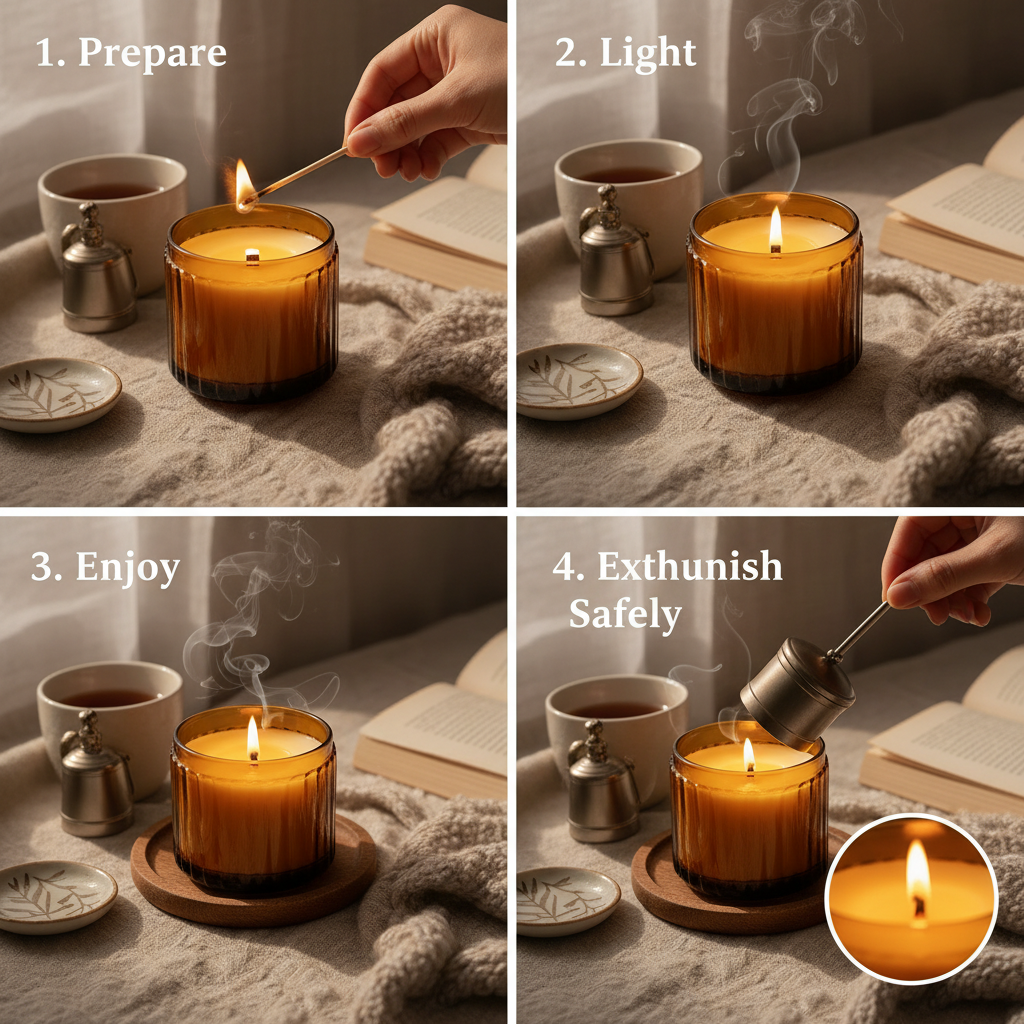
To maximize your candle’s life, always trim the wick to ¼ inch before each burn to prevent excessive smoking and soot. Allow the candle to burn long enough for the wax to melt evenly across the surface on the first burn (this prevents tunneling). Avoid burning for more than 4 hours at a time, and keep the candle away from drafts and flammable materials. Store your good scented candles in a cool, dark place.
Essential oil scented candles are often perceived as healthier because they use natural extracts from plants. However, the concentration of essential oils needed to achieve a strong scent throw can be expensive and may not always be sufficient. High-quality fragrance oils, which are phthalate-free and skin-safe, can offer a similar aromatic experience without the same cost and potential allergen concerns.
Scent throw refers to the strength and distance to which a candle’s fragrance spreads throughout a room. A candle with a strong scent throw will fill a larger space with its aroma. Factors influencing scent throw include the type of wax, the concentration of fragrance oil, and the wick size. A good scented candle should have a noticeable scent throw without being overpowering.
Never pour melted wax down the drain, as it can solidify and cause blockages. Allow the wax to cool completely and solidify, then scrape it out of the container. You can repurpose the leftover wax for crafts or simply dispose of it in the trash. Ensure the container is thoroughly cleaned before recycling or discarding.
Tunneling occurs when the candle burns down the center, leaving wax on the sides. To correct this, allow the candle to burn for a longer period (several hours) on the first burn, ensuring the entire surface melts evenly. If tunneling persists, you can use a heat gun or hairdryer (on a low setting) to gently melt the remaining wax on the sides. Always supervise the candle while it’s burning.
Conclusion
In conclusion, good scented candles offer a multitude of benefits, ranging from enhancing ambiance and promoting relaxation to supporting sustainable practices. Understanding the key components of quality – wax type, fragrance concentration, and wick selection – empowers consumers to make informed choices that align with their values and preferences. The continued innovation in materials and technology promises a future where scented candles are even more environmentally friendly and personalized.
Looking ahead, the industry is poised for continued growth, driven by a growing awareness of the importance of self-care and the desire for creating inviting living spaces. By prioritizing sustainability, ethical sourcing, and consumer education, the scented candle industry can ensure its long-term viability and continue to enrich lives with its captivating fragrances. Visit our website at www.ouniscandle.com to explore our collection of exquisite candles.