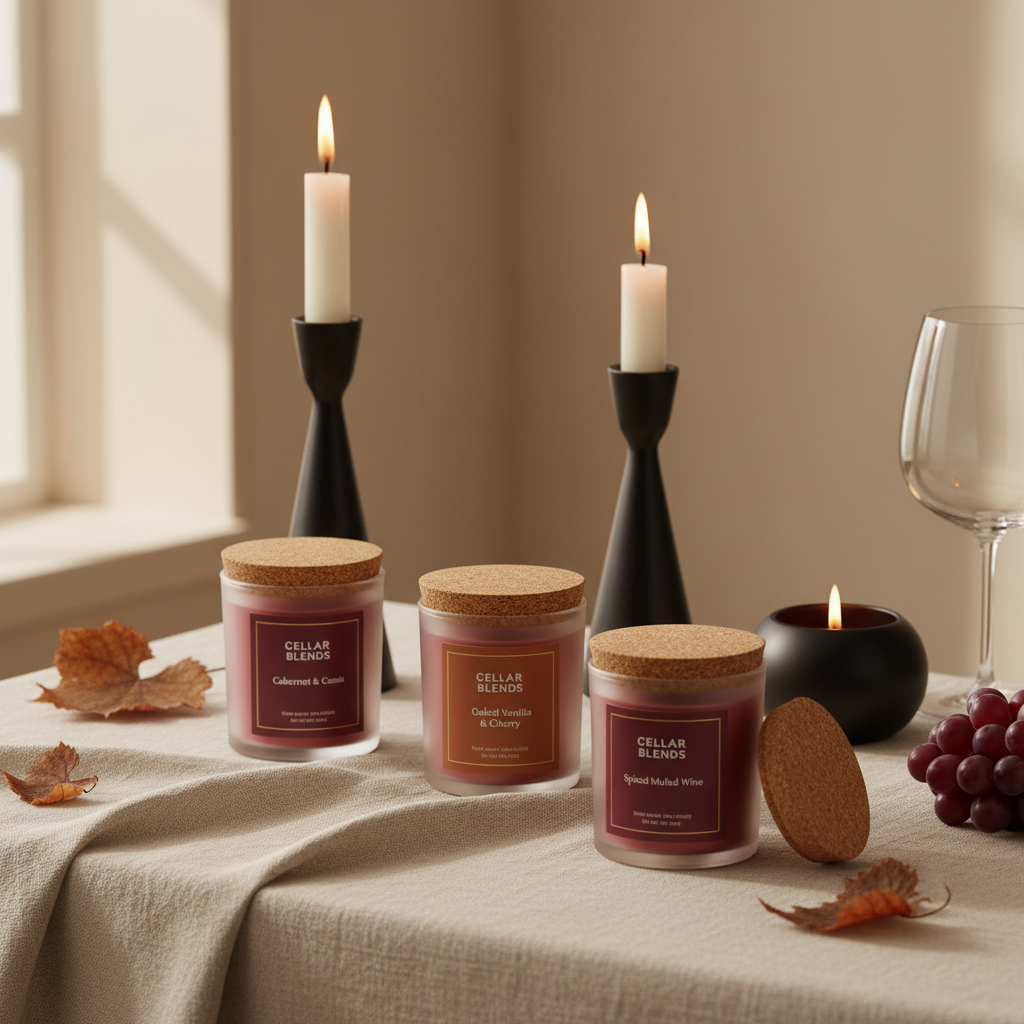
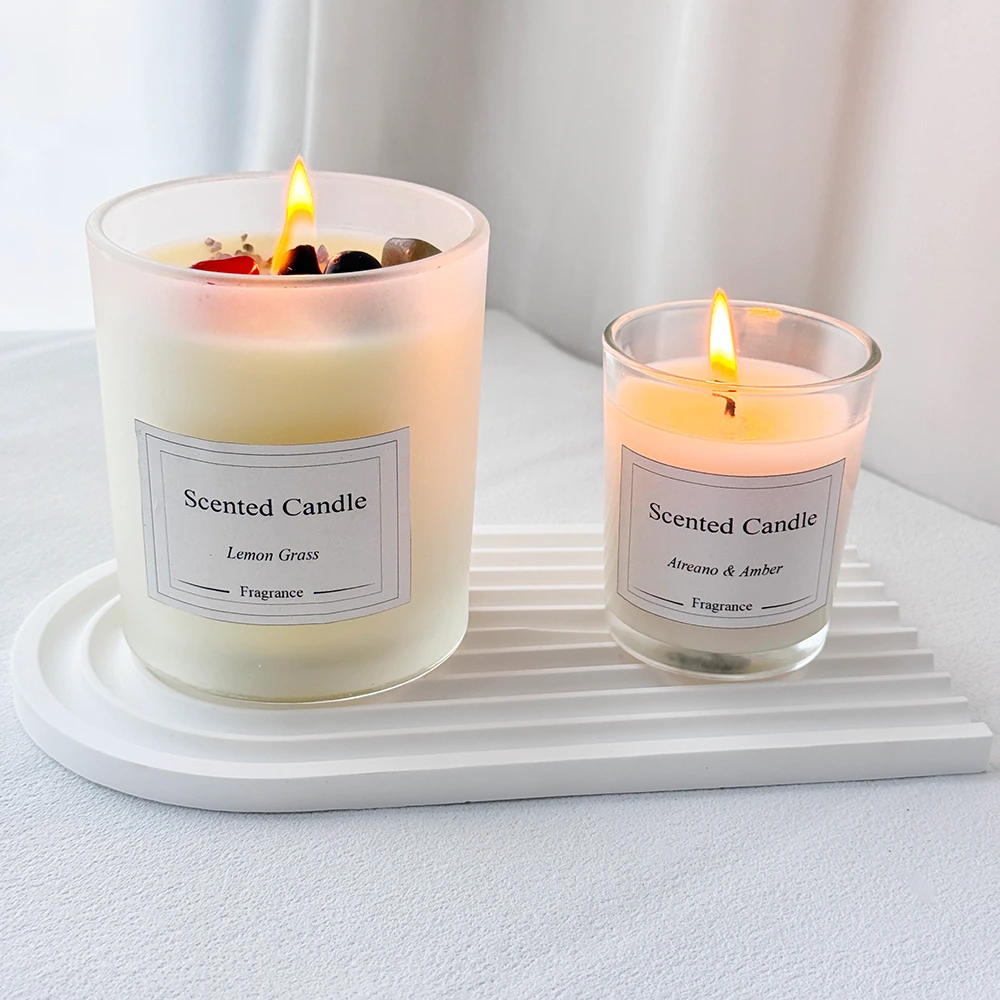
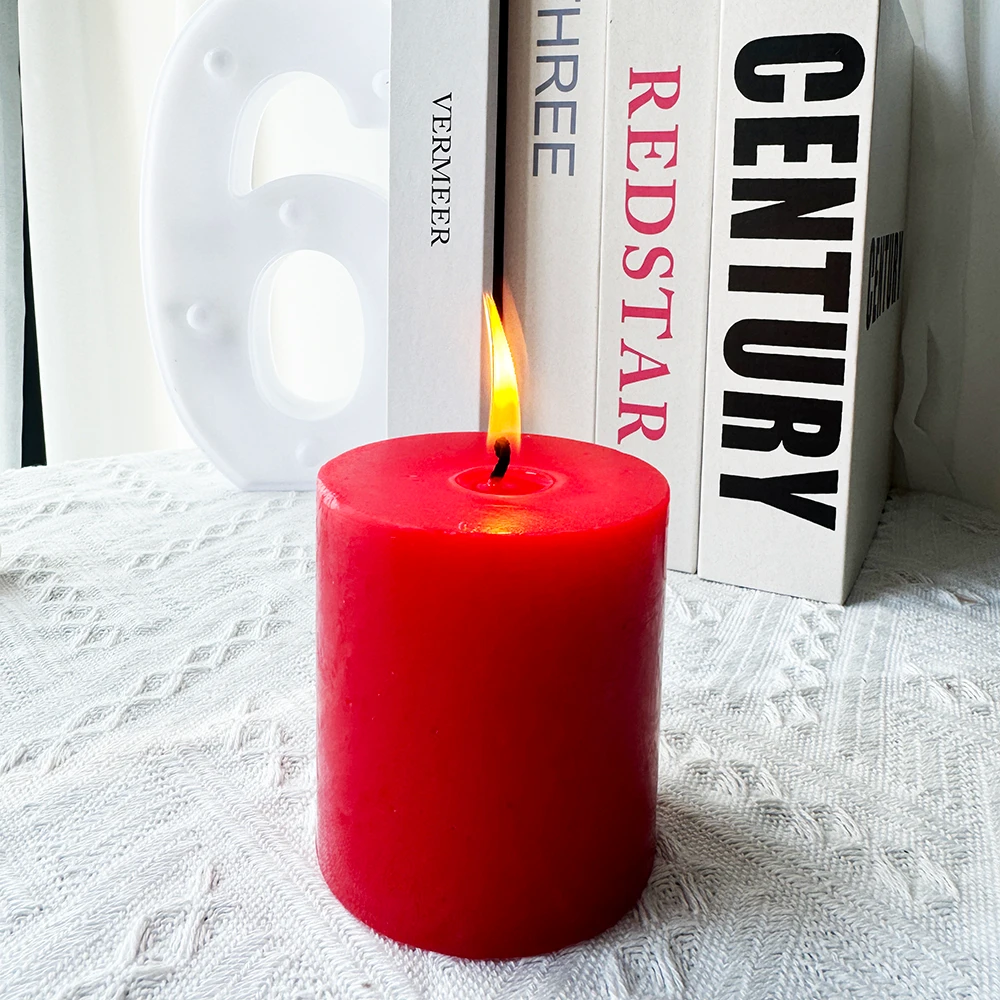
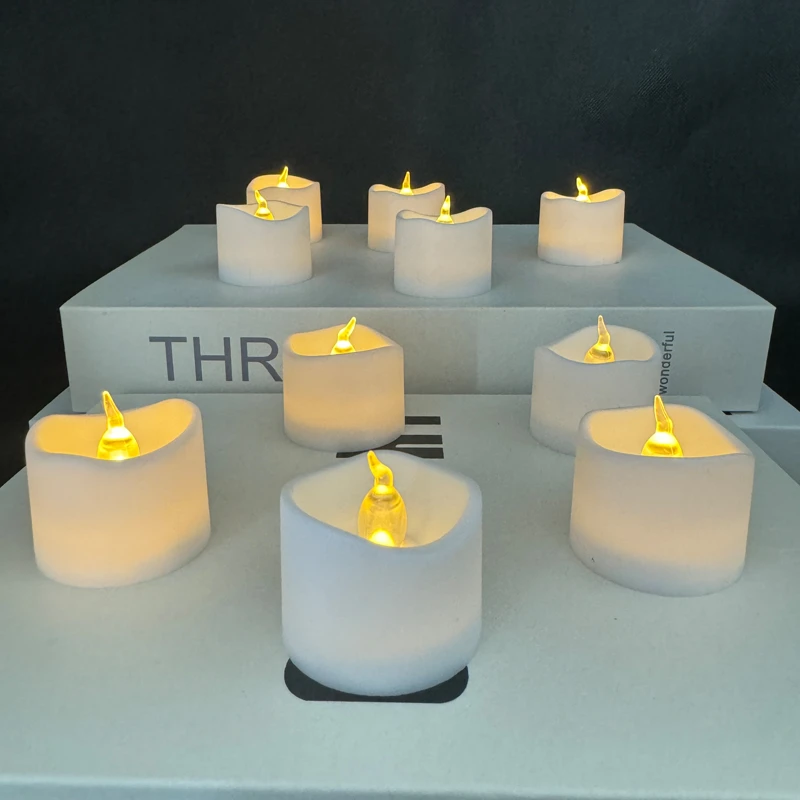
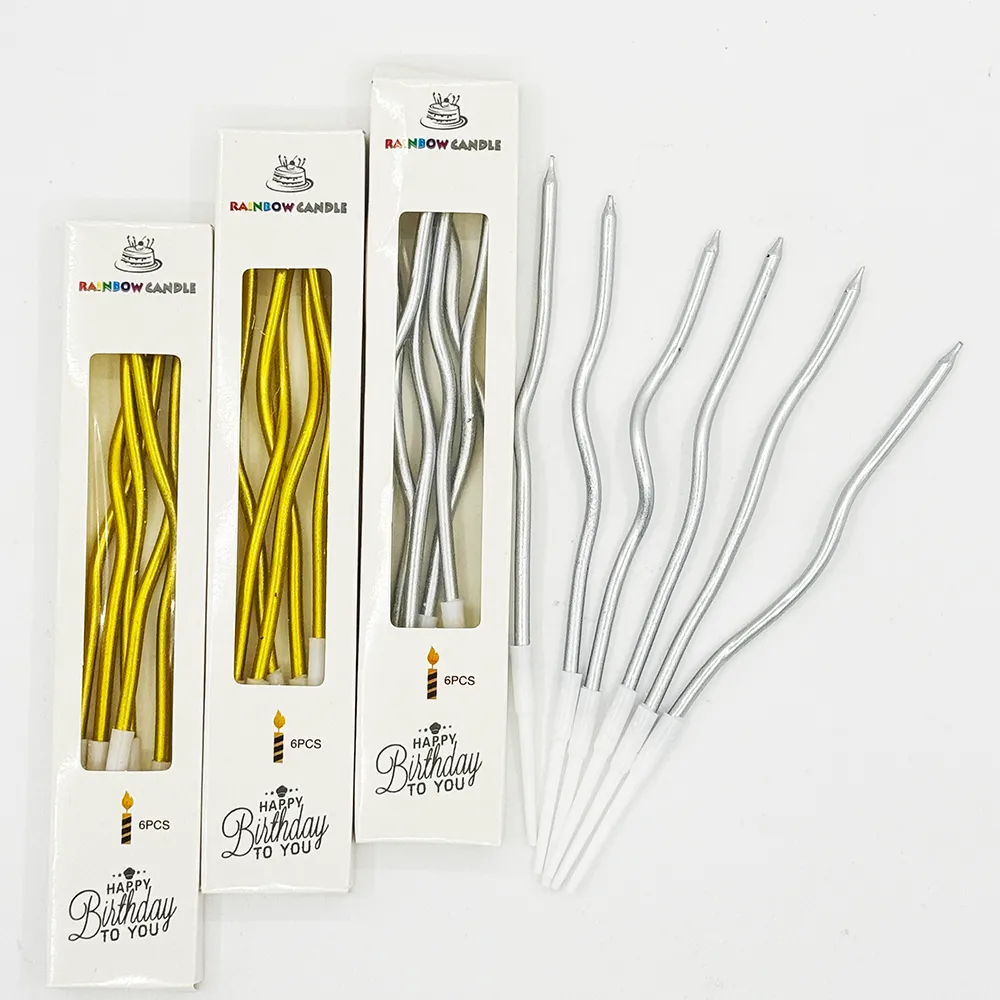
Wine scented candles are more than just a fragrant addition to a room; they represent a burgeoning intersection of lifestyle, sensory experience, and artisanal craftsmanship. Globally, the demand for home fragrance products has seen consistent growth, fueled by increasing disposable incomes and a heightened focus on wellbeing and creating comfortable living spaces. The unique appeal of wine scented candles – evoking memories of vineyards, cellars, and convivial gatherings – taps into a powerful emotional connection, differentiating them from more conventional scents.
The market for scented candles, including niche offerings like wine-inspired fragrances, is substantial. Reports indicate a multi-billion dollar global industry with projected continued expansion, particularly in regions like North America, Europe, and Asia-Pacific. This growth is driven by trends like “hygge” and “self-care” which promote the use of ambiance-enhancing products. However, consumer awareness regarding candle ingredients and sustainability is also rising, pushing manufacturers towards more natural waxes and eco-friendly packaging.
Understanding the nuances of wine scented candles, from their formulation and scent profiles to their cultural significance and evolving consumer preferences, is crucial for both businesses operating within this sector and individuals seeking to enhance their home environments. These candles offer a unique sensory experience, making them a compelling alternative to traditional fragrances and a growing market segment within the broader home fragrance industry.
The Essence of Wine Scented Candles
Wine scented candles encapsulate the art of recreating the complex aromas associated with winemaking and wine appreciation. They move beyond simple fruity notes, aiming to capture the nuances of oak aging, terroir, and specific grape varietals. These candles aren’t just about fragrance; they’re about evoking a mood, a memory, or a sophisticated ambiance. wine scented candles offer a unique sensory experience, appealing to both wine enthusiasts and those seeking a refined home fragrance.
The creation of truly authentic wine scented candles requires a deep understanding of olfactory science and the delicate balance of fragrance compounds. Master perfumers work to deconstruct the aromas of wine, identifying key scent molecules and blending them to create a realistic and captivating fragrance. This process differentiates quality wine scented candles from those relying on generic fruity scents.
Defining Wine Scented Candles
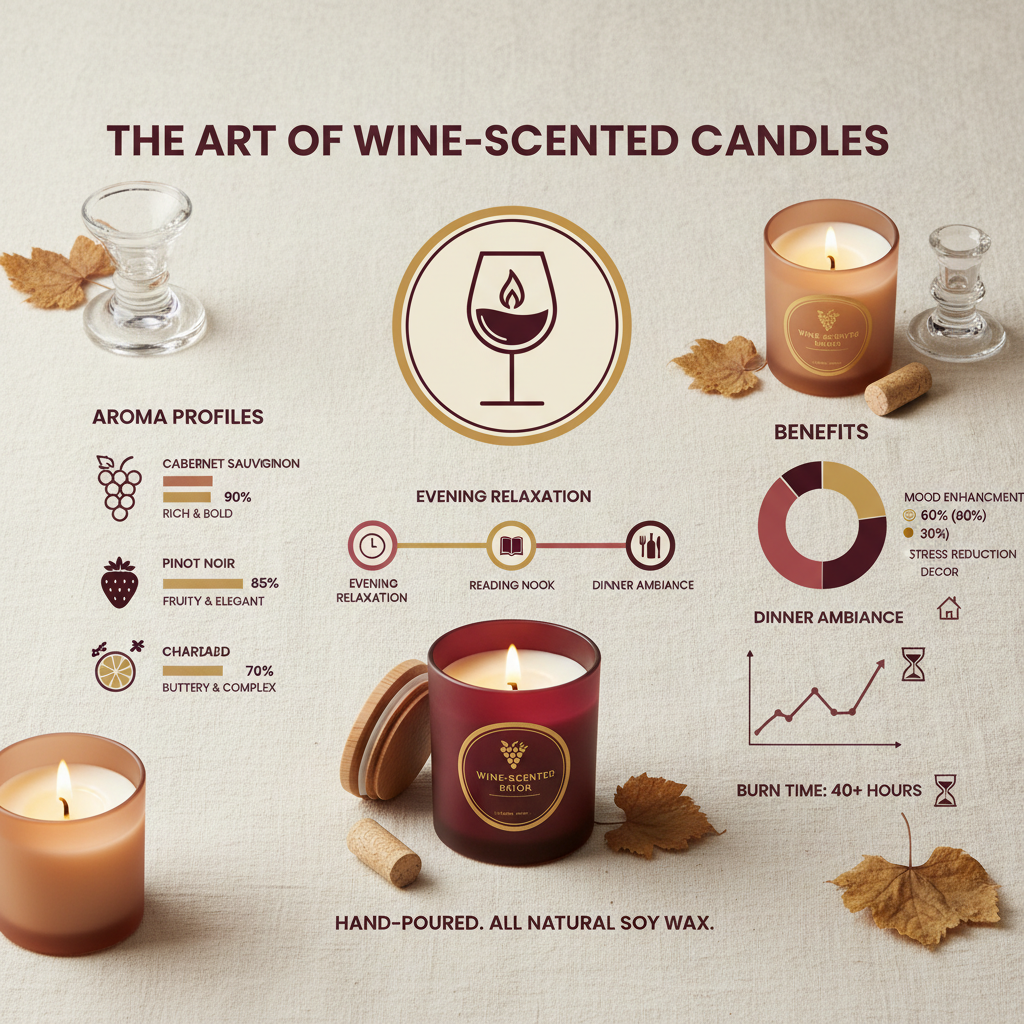
Wine scented candles are fragranced candles formulated to mimic the aromas found in wine – encompassing not only the fruit itself but also the subtle undertones of oak, spice, earth, and floral notes. These aren't simply candles scented like grapes; they aim for the complexity of a finished wine, often drawing inspiration from specific regions or varietals like Cabernet Sauvignon, Chardonnay, or Pinot Noir.
In the modern industry, the definition extends beyond just aroma. Increasingly, consumers expect wine scented candles to be crafted with high-quality, sustainable waxes (such as soy wax or beeswax) and natural fragrance oils. Ethical sourcing and eco-friendly packaging are also becoming key differentiators.
The connection to humanitarian needs might seem indirect, but the burgeoning artisanal candle market can create economic opportunities for small businesses and empower local communities, particularly in regions associated with wine production. This supports sustainable livelihoods and preserves traditional craftsmanship.
Key Components of Quality Wine Scented Candles
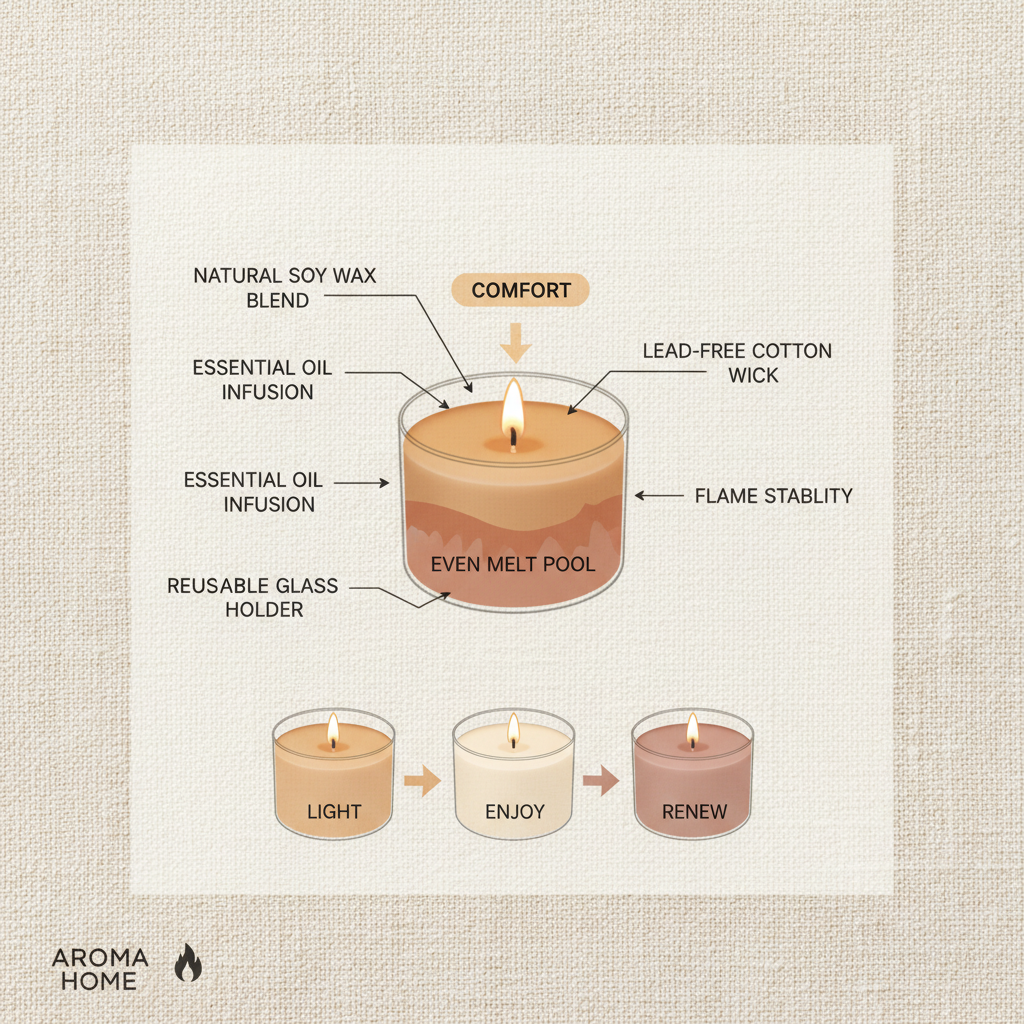
The foundation of a superior wine scented candle lies in the quality of its components. First and foremost is the wax. Soy wax is a popular choice due to its clean burn, excellent fragrance throw, and renewable sourcing. Beeswax offers a natural alternative with its own subtle honeyed aroma. Paraffin wax, while more affordable, is often avoided due to environmental concerns and potential soot production. wine scented candles benefit significantly from natural wax options.
Secondly, the fragrance oil itself is critical. High-quality fragrance oils are typically phthalate-free and derived from natural sources wherever possible. The complexity of the wine scent requires skilled blending, often utilizing a combination of essential oils and aroma compounds to replicate the multifaceted aroma profiles of different wines. The concentration of fragrance oil also impacts the scent throw and longevity of the candle.
The wick plays a vital role in ensuring a consistent and clean burn. Different wick types (cotton, wood) are suited to different wax blends and candle diameters. A correctly sized wick prevents tunneling (where the candle burns down the center, leaving wax around the edges) and ensures a full melt pool for optimal fragrance release. Finally, the container itself contributes to the overall aesthetic and functionality of the candle.
Scent Profiles and Wax Types in Wine Scented Candles
The scent profiles of wine scented candles are exceptionally diverse, mirroring the vast world of wine itself. Popular choices include Cabernet Sauvignon (blackcurrant, cedar, vanilla), Chardonnay (apple, pear, butterscotch), Pinot Noir (cherry, raspberry, earth), and Merlot (plum, black cherry, chocolate). More sophisticated blends may incorporate notes of oak, spice, leather, and even tobacco.
Wax type significantly influences scent throw and burn characteristics. Soy wax provides a softer, more subtle fragrance, ideal for creating a calming ambiance. Beeswax offers a slightly more robust scent and a longer burn time. The choice between wax types often depends on the desired aesthetic and the complexity of the fragrance blend.
Comparison of Wine Scented Candle Performance by Wax Type
Global Applications of Wine Scented Candles
Wine scented candles find application in a broad spectrum of settings, extending beyond residential use. Luxury hotels and spas frequently utilize these candles to create a sophisticated and relaxing ambiance, appealing to discerning guests. Restaurants and wine bars often incorporate them to enhance the dining experience and subtly evoke the aromas of the wines on offer.
The hospitality industry in regions like France, Italy, and California – areas renowned for their wine culture – are particularly prominent adopters. Furthermore, these candles are increasingly popular as gifts, corporate incentives, and event décor, adding a touch of elegance and sophistication to any occasion.
Advantages and Value Proposition
The advantages of wine scented candles are multi-faceted. From a consumer perspective, they offer a unique and evocative sensory experience, promoting relaxation and creating a desirable atmosphere. They’re a relatively affordable luxury, allowing individuals to enjoy the ambiance of wine country without the cost of a vineyard visit.
From a business perspective, wine scented candles represent a niche market with significant growth potential. The demand for artisanal, high-quality home fragrance products is increasing, and wine-inspired scents offer a compelling point of differentiation. The perceived value is higher than generic scented candles, allowing for premium pricing. Furthermore, sustainable and ethically sourced candles resonate with environmentally conscious consumers.
Future Trends and Innovations
The future of wine scented candles is poised for innovation. We can anticipate the development of more sophisticated scent blending techniques, utilizing advanced fragrance capture technology to perfectly replicate the aromas of rare and complex wines. The integration of smart home technology – candles that can be remotely controlled or that automatically adjust their scent intensity – is another potential area of growth.
Sustainability will continue to be a driving force, with increased focus on renewable wax sources, biodegradable packaging, and carbon-neutral manufacturing processes. Personalization is also emerging as a trend, with opportunities for customers to create custom scent blends based on their individual preferences.
Challenges and Solutions
One major challenge facing the wine scented candle industry is accurately replicating the complexity of wine aromas. Capturing the subtle nuances and layering of scents requires significant expertise and investment in high-quality fragrance oils. Another challenge is maintaining consistency in scent profiles, as natural fragrance oils can vary slightly from batch to batch.
Solutions include partnering with experienced perfumers who specialize in wine aroma replication, utilizing advanced fragrance blending techniques, and implementing rigorous quality control measures. Investing in sustainable sourcing practices and transparent supply chains also addresses growing consumer concerns about environmental impact.
Finally, educating consumers about the difference between high-quality wine scented candles and generic fruity scents is crucial for building brand loyalty and driving market growth.
Summary of Key Considerations for Optimal Wine Scented Candle Formulation
| Wax Type |
Fragrance Oil Concentration |
Wick Selection |
Scent Profile Complexity |
| Soy Wax |
8-10% |
CD 14 |
Medium |
| Beeswax |
6-8% |
LX 16 |
High |
| Coconut Wax |
9-11% |
Eco 12 |
Very High |
| Paraffin Wax |
5-7% |
ZN 18 |
Low |
| Soy/Beeswax Blend |
7-9% |
CD 16 |
Medium-High |
| Palm Wax |
6-8% |
SP 14 |
Low-Medium |
FAQS
Wine scented candles aim to replicate the complexity of wine aromas, going beyond simple fruit notes to incorporate nuances of oak, spice, earth, and terroir. They are designed to evoke a specific wine experience, unlike general fruity scents which are often simpler and sweeter. These candles aim for a sophisticated and refined aroma profile.
Yes, when purchased from reputable brands that prioritize safety. Look for candles made with natural waxes (soy, beeswax) and phthalate-free fragrance oils. Always follow candle safety guidelines: never leave a burning candle unattended, keep it away from flammable materials, and burn it on a stable surface.
Burn time varies depending on the wax type, candle size, and fragrance oil concentration. Generally, a standard 8oz soy wax candle will burn for approximately 40-50 hours. Beeswax candles tend to burn longer, while paraffin wax candles may have a shorter burn time.
To preserve the fragrance and quality of your wine scented candles, store them in a cool, dark, and dry place away from direct sunlight and heat. Keeping the lid tightly sealed when not in use helps prevent the fragrance from dissipating.
Absolutely! Wine scented candles make an excellent gift for wine lovers, home fragrance enthusiasts, or anyone who appreciates a touch of luxury and sophistication. They’re a thoughtful and unique present for birthdays, holidays, or special occasions.
Look for candles made with natural waxes, phthalate-free fragrance oils, and cotton or wood wicks. Read reviews and choose brands that are transparent about their ingredients and sourcing practices. A stronger, more complex scent profile is usually indicative of higher quality.
Conclusion
Wine scented candles represent a unique intersection of fragrance, lifestyle, and sensory experience. From their complex scent profiles and sustainable formulations to their diverse applications in hospitality and personal wellbeing, these candles offer a compelling alternative to traditional home fragrances. The industry’s potential for innovation, driven by advancements in fragrance technology and consumer demand for personalized experiences, is significant.
Looking ahead, continued emphasis on sustainability, ethical sourcing, and high-quality ingredients will be crucial for long-term success. Exploring opportunities for integration with smart home technology and personalized scent creation will further enhance the appeal of wine scented candles and solidify their position as a premium offering within the broader home fragrance market. Visit our website today to explore our collection of exquisitely crafted wine scented candles.