Scented votive candles have become a ubiquitous presence in modern life, offering not only illumination but also a powerful avenue for creating ambiance, promoting relaxation, and enhancing emotional wellbeing. From aromatherapy benefits to decorative appeal, these small yet impactful candles play a significant role in homes, businesses, and various cultural practices worldwide. The increasing demand for natural and sustainable options is driving innovation in the industry, focusing on eco-friendly waxes, essential oils, and responsible sourcing.
Globally, the candle market is a multi-billion dollar industry, with a substantial portion dedicated to scented votive candles. According to market research reports, the global candle market was valued at approximately $8.2 billion in 2023 and is projected to reach $10.3 billion by 2030, showcasing a steady growth rate. This growth is particularly pronounced in regions like North America and Europe, but emerging markets in Asia-Pacific are also witnessing a surge in demand. This indicates a global appreciation for the aesthetic and therapeutic qualities of scented votive candles.
The rise of conscious consumerism presents both opportunities and challenges for the scented votive candle industry. Consumers are increasingly seeking products that align with their values, demanding transparency in ingredients, ethical production practices, and environmental sustainability. This shift necessitates a focus on innovation and responsible sourcing to meet evolving consumer expectations and maintain market relevance. Understanding these dynamics is crucial for businesses operating within this sector.
The Significance of Scented Votive Candles
Scented votive candles extend beyond mere illumination; they represent a deliberate crafting of atmosphere and emotion. Their significance lies in their ability to transform spaces, offering a sensory experience that can evoke memories, reduce stress, and promote a sense of tranquility. This is particularly relevant in today's fast-paced world, where individuals actively seek ways to create peaceful and restorative environments within their homes and workplaces.
The cultural relevance of scented votive candles is also noteworthy. Historically, candles have played a vital role in religious ceremonies, celebrations, and everyday life. Scented varieties amplify this significance, imbuing these practices with an additional layer of sensory richness and meaning. From aromatherapy-focused rituals to decorative displays during festive occasions, these candles continue to hold a place of importance in diverse cultures worldwide.
Defining Scented Votive Candles
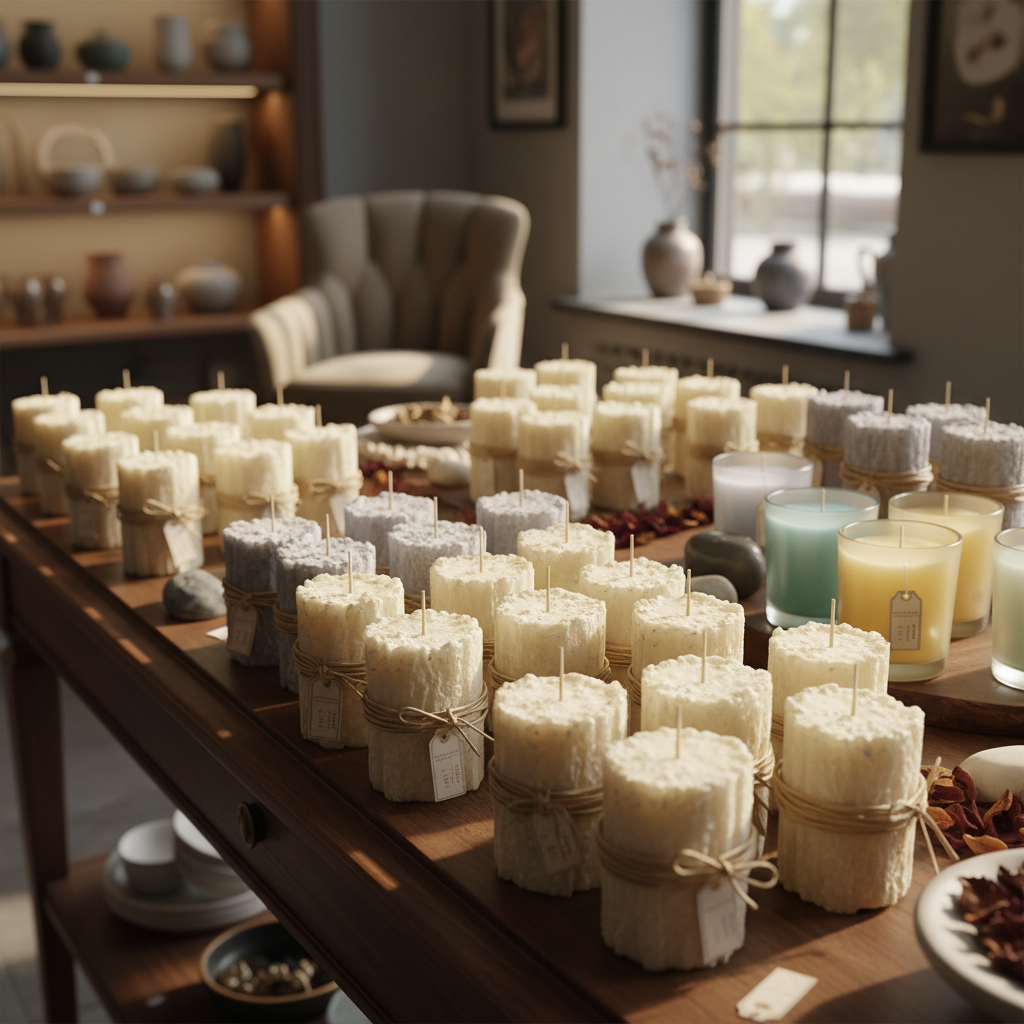
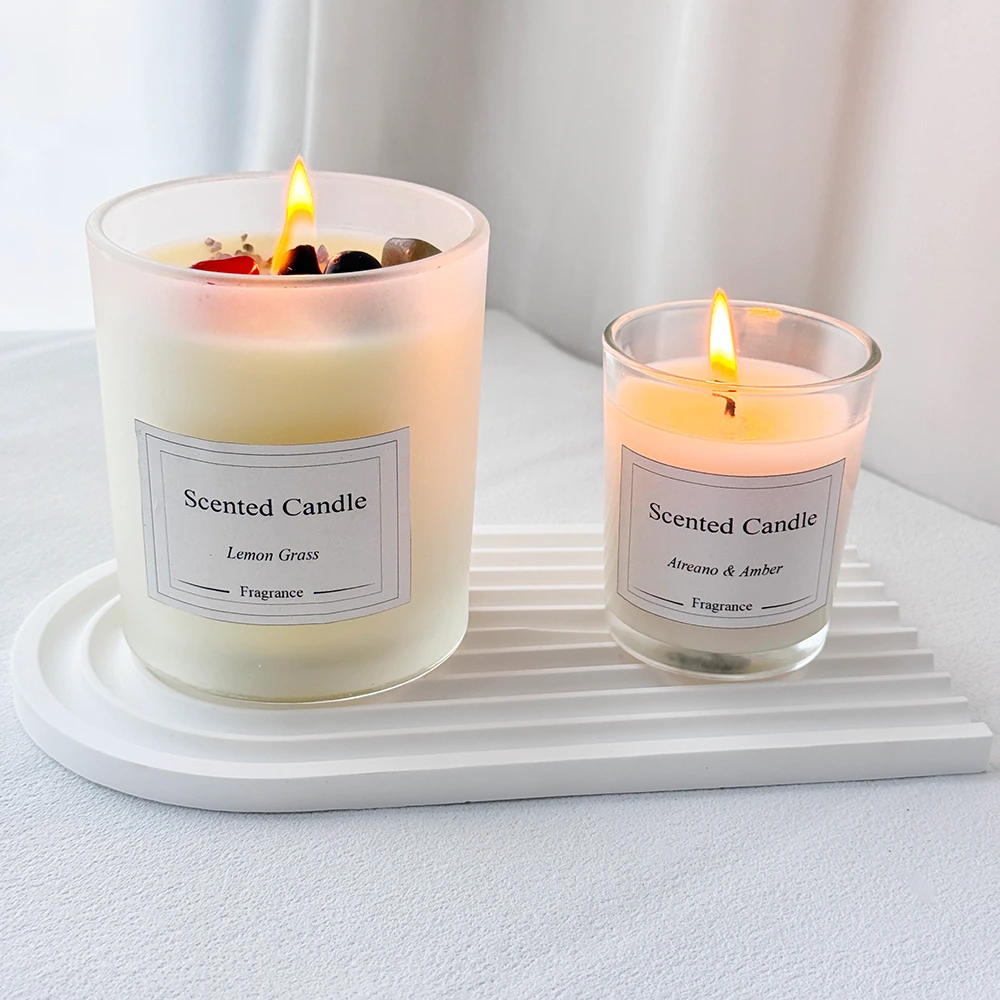
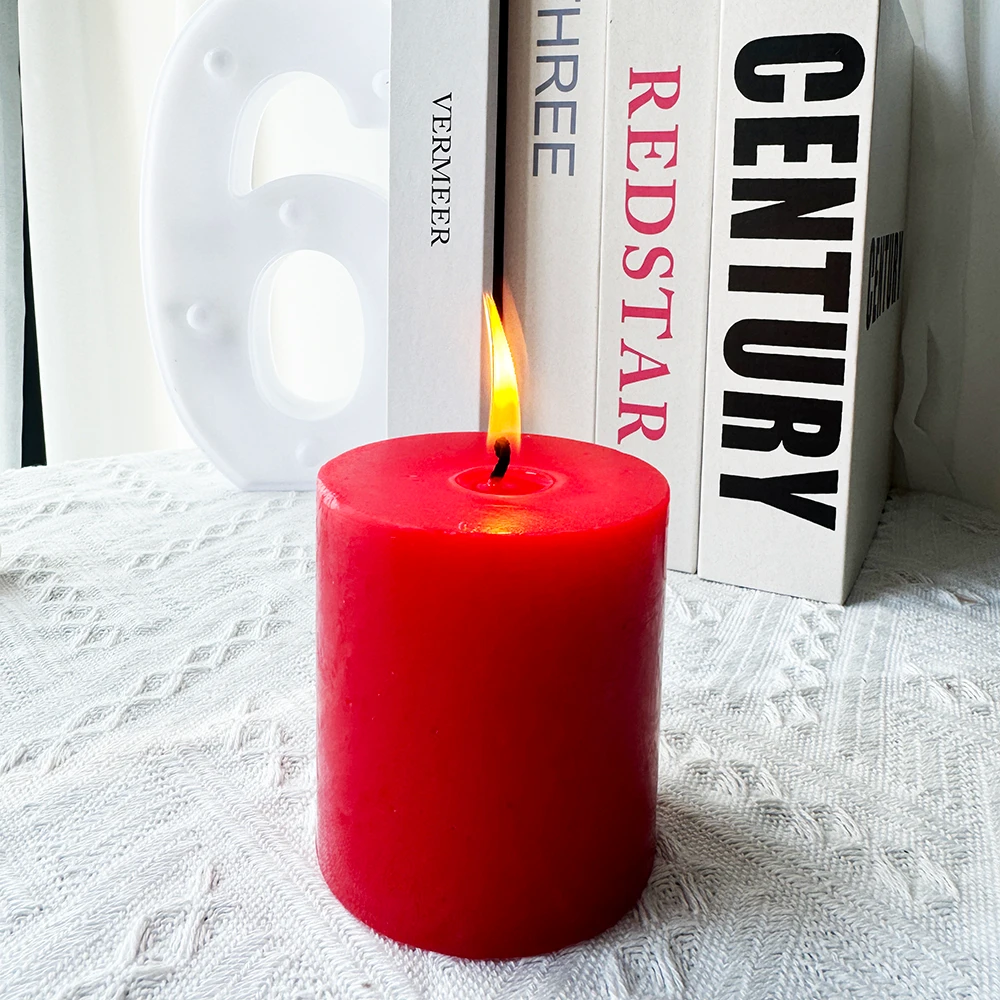
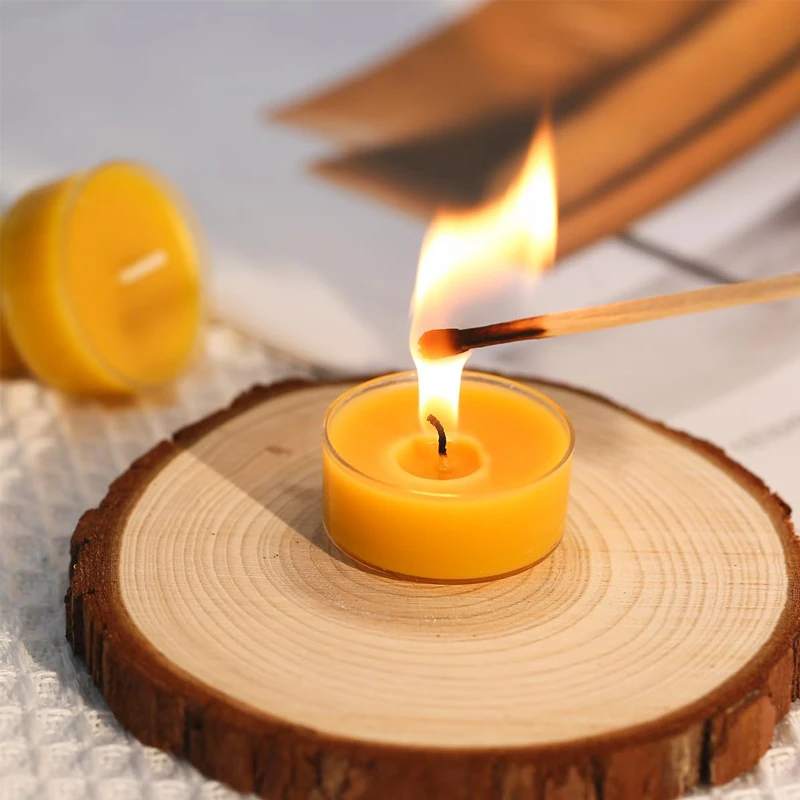
Scented votive candles are small, cylindrical candles designed to be burned in a votive holder. Typically made from wax—such as soy, beeswax, paraffin, or blends—they are infused with fragrance oils or essential oils to release a pleasant aroma when lit. The “votive” designation originates from their historical use in religious settings, where they were offered as devotional gifts.
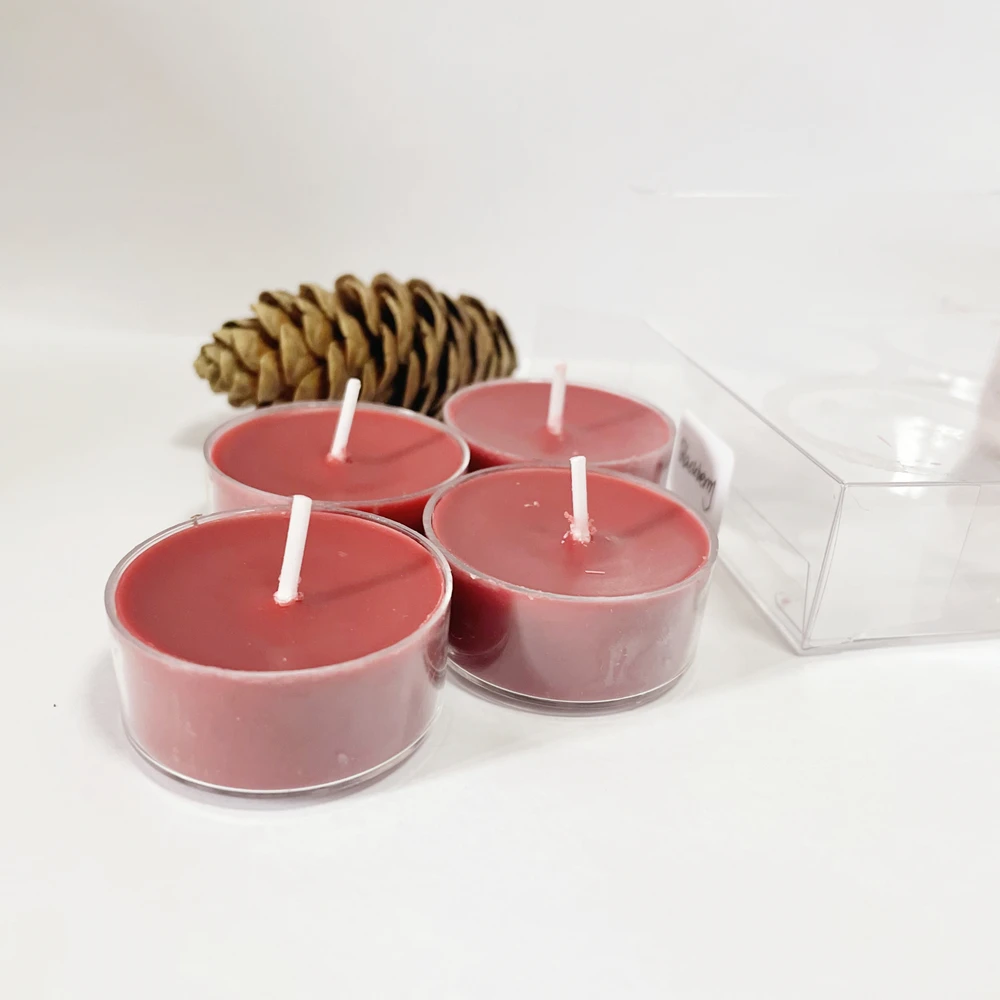
In the modern context, scented votive candles serve a wider range of purposes, encompassing decorative accenting, aromatherapy, and ambient lighting. Their smaller size and relatively short burn time make them ideal for sampling different scents or creating layered fragrance experiences. They differ from pillar candles in their need for a holder, and from tealights in their larger size and longer burn duration.
The connection to modern industry lies in the expanding wellness and home fragrance sectors. The demand for self-care products and the creation of personalized living spaces fuel the continued innovation and popularity of scented votive candles. They address a need for simple, affordable luxury and offer a convenient way to enhance the atmosphere of any environment.
Core Components of Quality Votive Candles
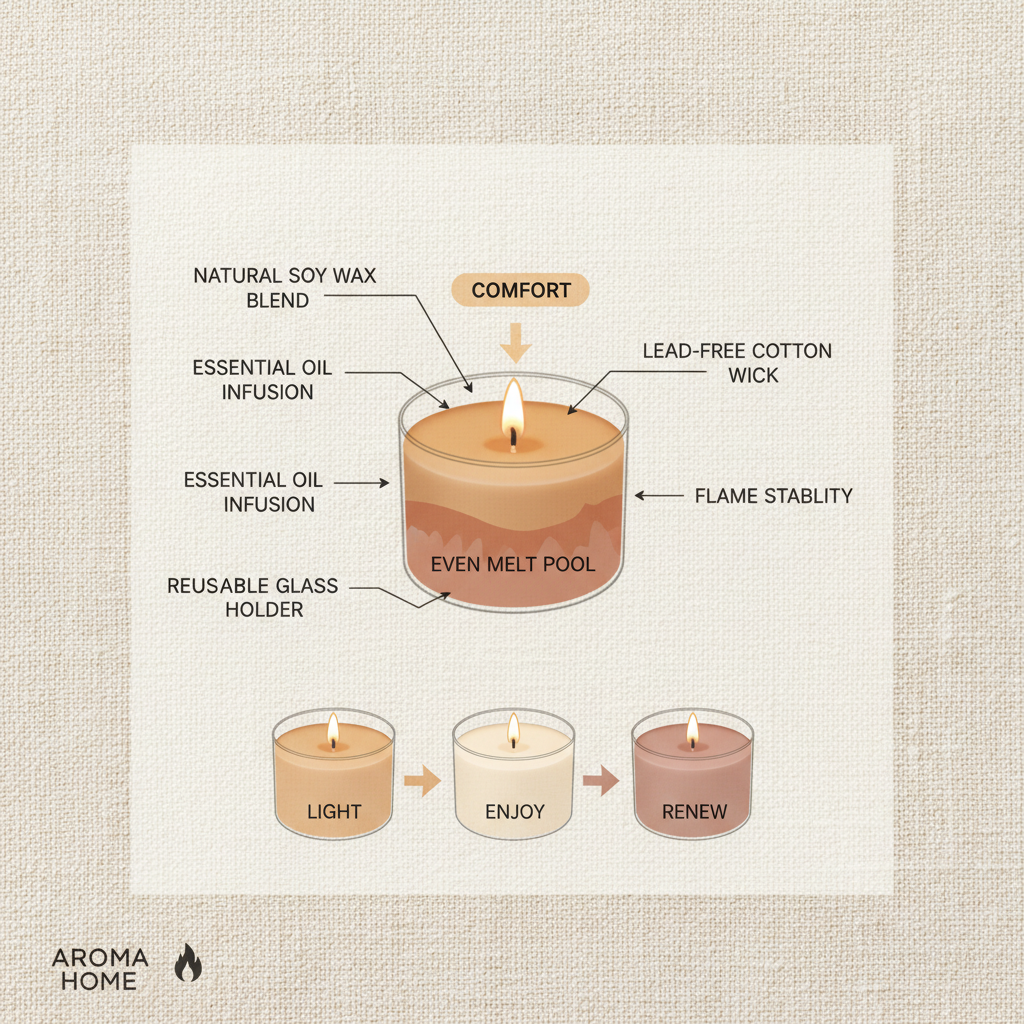
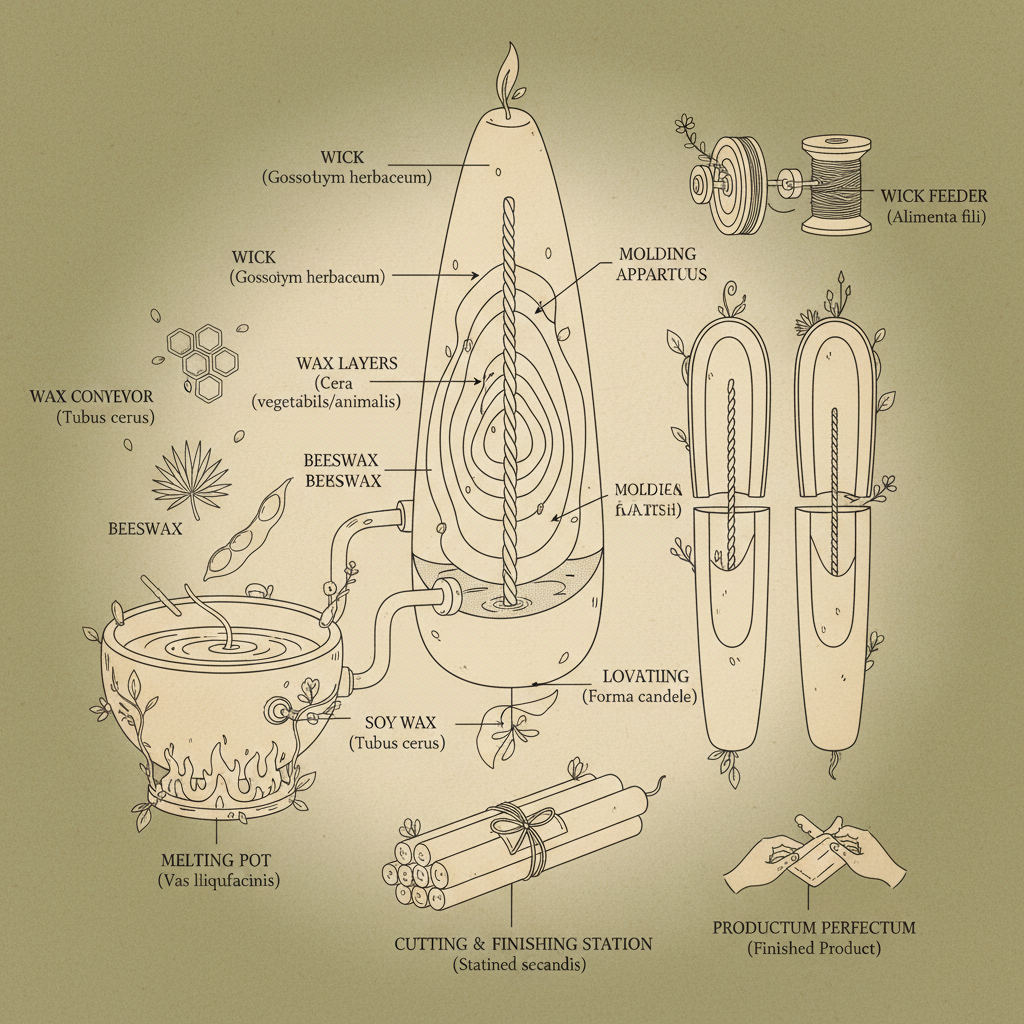
The quality of a scented votive candle is determined by several key components. The wax type is paramount; soy wax is favoured for its clean burn and eco-friendliness, while beeswax offers a natural aroma and longer burn time. Paraffin wax, though more affordable, can release soot and is less environmentally sustainable. The fragrance load – the percentage of fragrance oil to wax – significantly impacts the scent throw.
The wick plays a crucial role in determining how evenly the candle burns. A correctly sized wick ensures a full melt pool, preventing tunneling and maximizing the release of fragrance. The quality of the fragrance oil itself is also vital. Natural essential oils provide therapeutic benefits and complex aromas, while synthetic fragrance oils can offer a wider range of scent profiles at a lower cost.
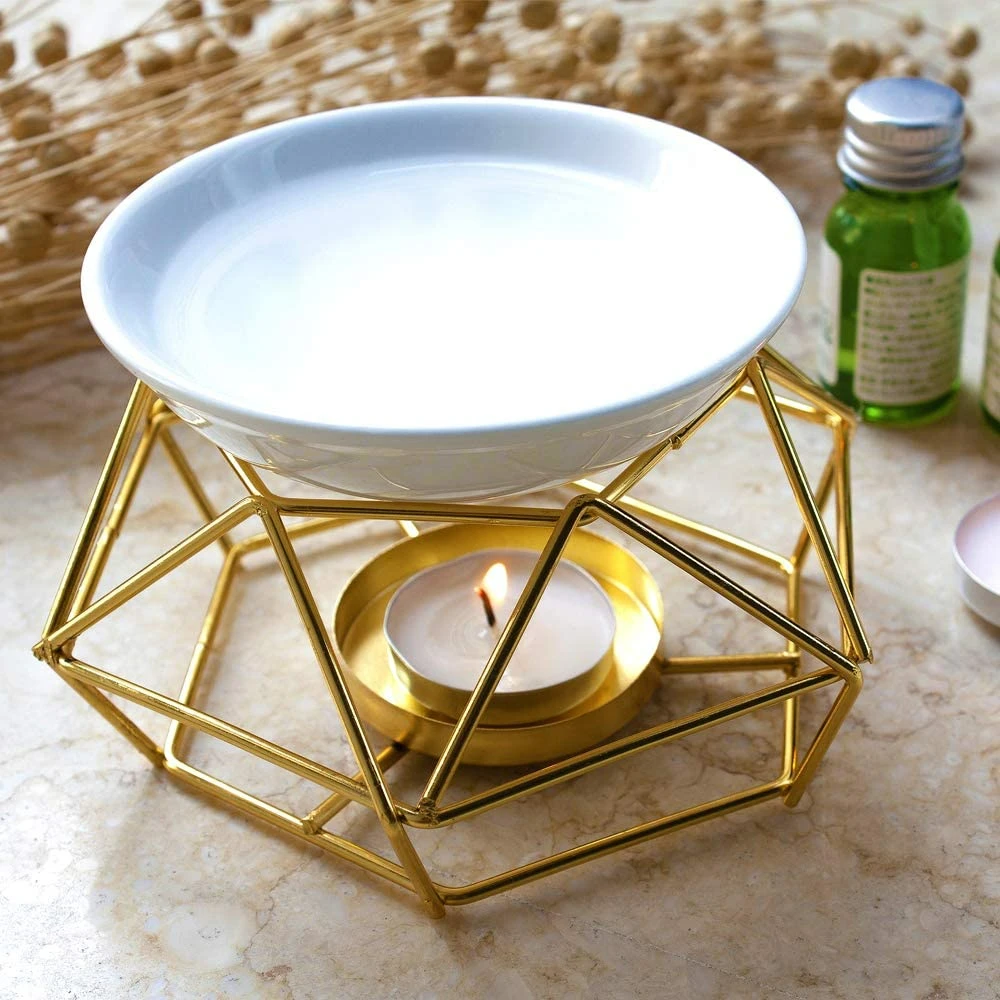
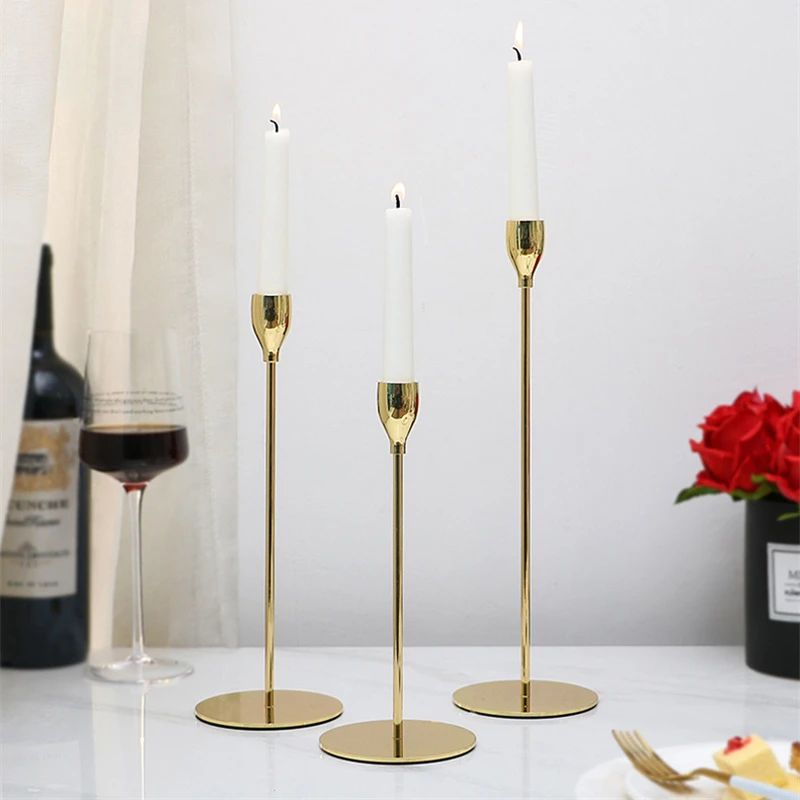
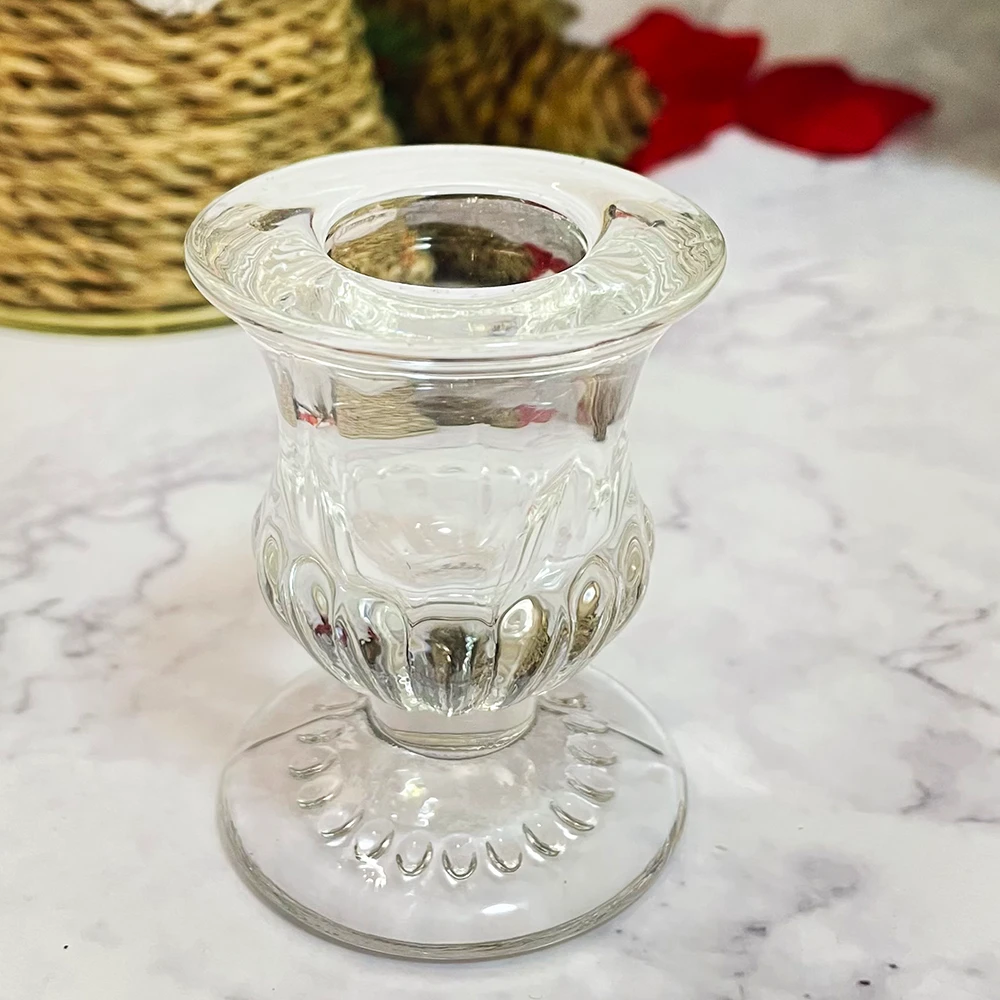
Finally, the container or holder is an integral part of the experience. While votives are designed to be used in votive holders, the quality of the holder influences both aesthetics and safety. Heat-resistant glass or metal holders are recommended to prevent cracking or fire hazards. The combined effect of these components dictates the overall quality and enjoyment of the scented votive candle.
Key Factors Influencing Burn Time and Scent Throw
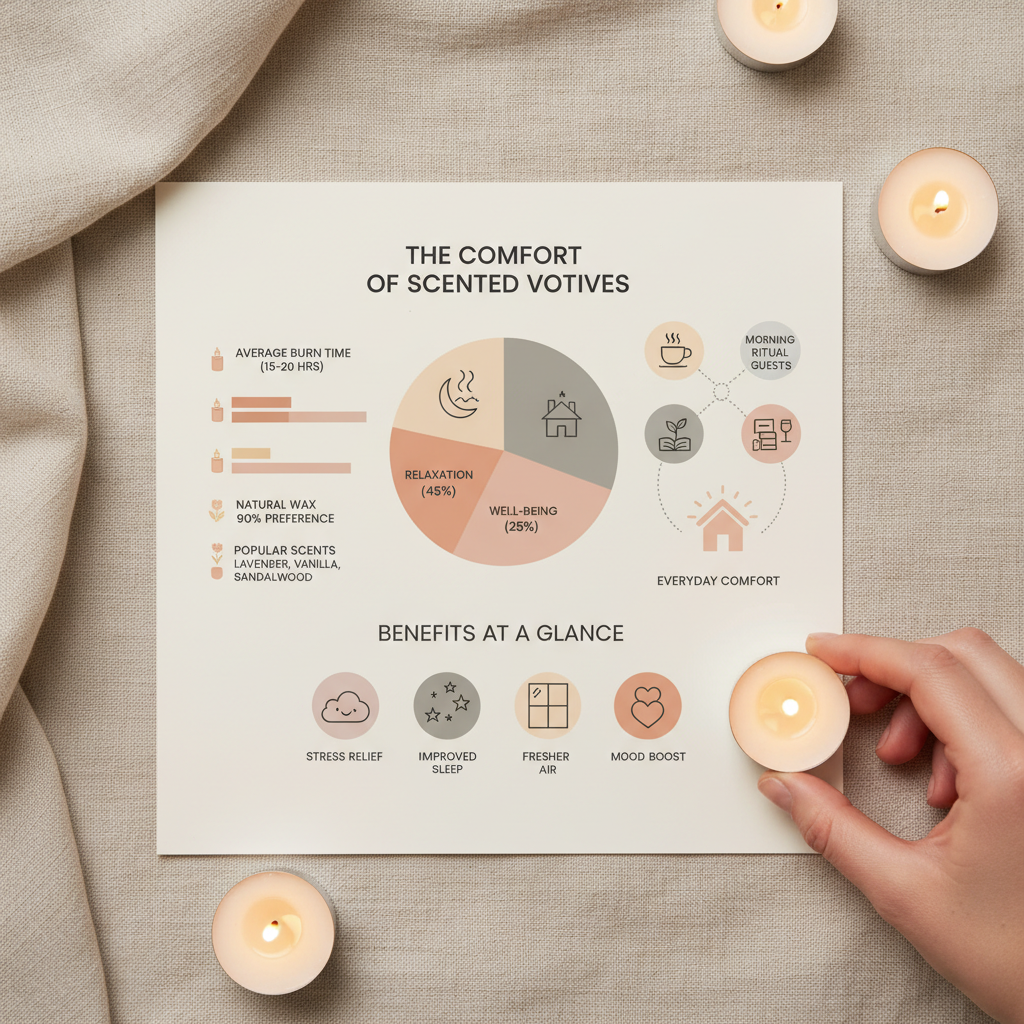
Burn time and scent throw are two of the most important qualities consumers look for in scented votive candles. Burn time, the duration a candle will burn, is primarily influenced by the wax type and wick size. Beeswax typically burns the longest, followed by soy wax, while paraffin wax has the shortest burn time. A larger wick results in a faster burn but a stronger scent throw.
Scent throw—the strength and reach of the fragrance—depends on several factors. The fragrance load (percentage of fragrance oil), the type of fragrance oil (essential oils generally have a weaker throw than synthetics), and the ambient temperature all play a role. A warmer room will enhance scent diffusion, while a cold room may require more fragrance oil.
Scented Votive Candle Performance Metrics
Global Applications of Scented Votive Candles
Scented votive candles find applications in a diverse range of settings worldwide. In the hospitality industry, hotels and spas utilize them to create welcoming and relaxing atmospheres for guests. Restaurants employ them to subtly enhance the dining experience and evoke specific moods. The retail sector also leverages scented candles to attract customers and create a positive shopping environment.
Within the wellness industry, aromatherapy candles are gaining popularity for their therapeutic benefits. These candles, infused with essential oils, are used in yoga studios, meditation centers, and private homes to promote relaxation, reduce stress, and improve mental wellbeing. In post-disaster relief operations, scented votive candles can provide a small comfort and sense of normalcy for those affected.
Furthermore, cultural and religious ceremonies continue to utilize scented candles as symbolic offerings and expressions of devotion. From traditional Buddhist temples to Christian churches, these candles serve as a visual and olfactory representation of faith and reverence. The global market reflects this widespread adoption across diverse cultural and commercial contexts.
Advantages & Long-Term Value Proposition
The advantages of using scented votive candles extend beyond immediate aesthetic and emotional benefits. From a cost perspective, they offer an affordable luxury compared to larger candles or diffusers. Their smaller size allows consumers to experiment with different scents without a significant investment. Furthermore, the increasing availability of sustainable wax options, such as soy and beeswax, promotes environmental responsibility.
Long-term value lies in the enhanced wellbeing and ambiance they provide. The ability to create a relaxing and inviting atmosphere can improve mood, reduce stress, and foster a sense of calm. This contributes to overall quality of life and can positively impact productivity and creativity. The rising consumer demand for natural and ethically sourced products further enhances the value proposition of high-quality scented votive candles.
Future Trends and Innovations
The future of scented votive candles is poised for innovation, driven by sustainability and technological advancements. We can anticipate a greater emphasis on eco-friendly waxes, biodegradable packaging, and carbon-neutral production processes. The use of biotechnology to create sustainable fragrance alternatives will also likely increase.
Digital integration is another emerging trend. Smart candles equipped with timers, scent diffusion controls, and even integration with smart home systems are beginning to appear in the market. These technologies offer enhanced convenience and customization. Furthermore, personalized scent blending—allowing consumers to create their own unique fragrance profiles—is gaining traction, promising a more individualized experience.
The use of AI and machine learning in scent design is also on the horizon, enabling the creation of fragrances tailored to specific moods, activities, or even individual preferences. These advancements signal a shift towards a more sophisticated and personalized scented votive candle experience.
Challenges and Solutions
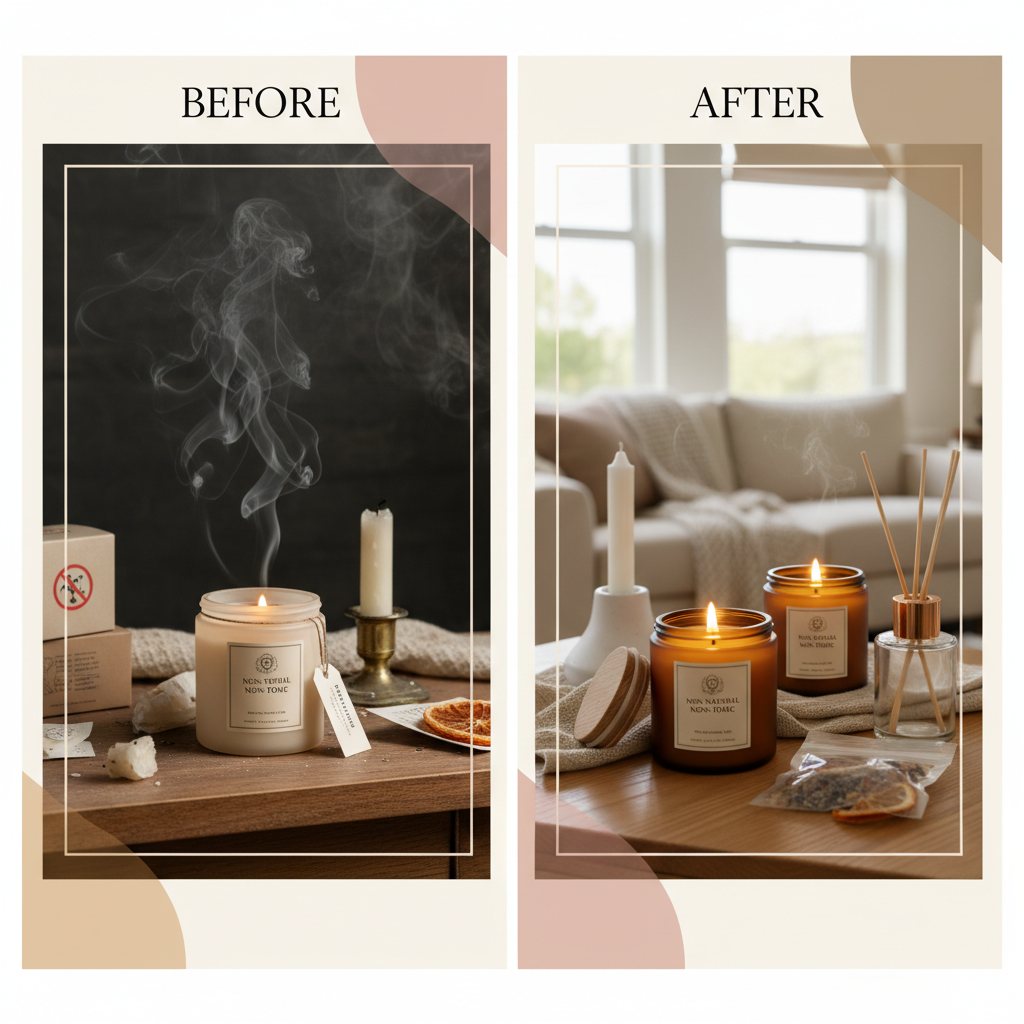
Despite their widespread appeal, scented votive candles face several challenges. One significant concern is the potential for soot and air pollution, particularly with paraffin wax-based candles. Another challenge lies in ensuring consistent scent throw and burn quality across different batches and formulations. Addressing these issues requires a commitment to quality control and sustainable practices.
Solutions include prioritizing natural waxes like soy and beeswax, utilizing cleaner-burning wicks, and implementing rigorous testing procedures to ensure consistent fragrance load and burn performance. Transparency in ingredient sourcing and production processes is also crucial for building consumer trust. Innovation in wick technology and fragrance encapsulation can further mitigate soot production and enhance scent diffusion.
A key aspect is consumer education regarding proper candle care and safety. Providing clear instructions on trimming wicks, avoiding drafts, and never leaving a burning candle unattended can significantly reduce fire hazards and ensure a safe and enjoyable experience.
Summary of Challenges and Potential Solutions for Scented Votive Candle Production
| Challenge |
Impact on Consumer Experience |
Potential Solution |
Implementation Cost (1-10) |
| Soot Production |
Reduced Air Quality, Potential Health Concerns |
Switch to Soy or Beeswax, Use Lead-Free Wicks |
4 |
| Inconsistent Scent Throw |
Disappointed Customers, Negative Reviews |
Optimize Fragrance Load, Use High-Quality Fragrance Oils |
6 |
| Tunneling (Uneven Burn) |
Wasted Wax, Reduced Burn Time |
Proper Wick Sizing, Encourage First-Time Full Melt |
3 |
| Lack of Sustainable Sourcing |
Environmental Concerns, Negative Brand Image |
Partner with Ethical Suppliers, Obtain Certifications |
7 |
| Packaging Waste |
Environmental Impact, Negative Consumer Perception |
Use Recycled Materials, Biodegradable Packaging |
5 |
| Limited Consumer Awareness |
Misuse, Safety Concerns |
Educate Consumers on Proper Candle Care |
2 |
FAQS
Soy wax is a natural, renewable resource derived from soybean oil. It burns cleaner with less soot and has a longer burn time compared to paraffin wax, which is a byproduct of petroleum refining. While paraffin is more affordable, soy wax is often preferred for its eco-friendliness and health benefits. The scent throw can be comparable with proper fragrance loading in both wax types.
To maximize scent throw, ensure the candle is placed in a draft-free location, as drafts can disperse the fragrance unevenly. Allowing the candle to burn long enough to create a full melt pool (where the wax melts across the entire surface) is crucial. Also, consider the size of the room; larger rooms may require multiple candles to achieve desired scent intensity.
Tunneling occurs when a candle burns down the center, leaving a ring of unmelted wax around the edges. To prevent tunneling, allow the candle to burn for at least 2-3 hours during the first burn, ensuring the entire surface melts. Regularly trim the wick to ¼ inch to promote even burning. Avoid extinguishing the candle before a full melt pool is achieved.
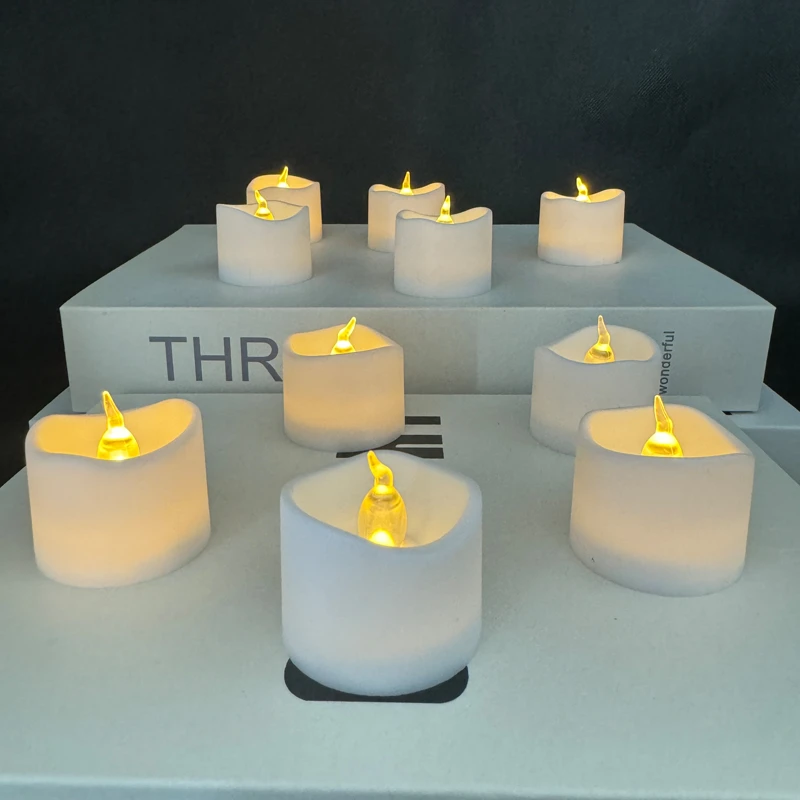
While scented votive candles can create a pleasant atmosphere, it’s essential to exercise caution around pets and children. Never leave a burning candle unattended, and keep it out of reach of both. Certain essential oils can be toxic to pets, so researching the ingredients is crucial. Consider using flameless LED candles as a safer alternative.
To preserve the fragrance and quality of your scented votive candles, store them in a cool, dark, and dry place, away from direct sunlight and heat sources. Keeping them in an airtight container can help prevent the fragrance from fading over time. Avoid storing them in areas with strong odors, as they can absorb those scents.
Never pour melted wax down the drain, as it can solidify and cause blockages. Allow the wax to cool completely, then carefully remove it from the votive holder. The remaining wax can be repurposed for crafts or discarded in the trash. Clean the votive holder thoroughly with soap and warm water before reusing.
Conclusion
Scented votive candles represent a potent combination of aesthetic appeal, aromatherapy benefits, and cultural significance. From their historical roots to their modern-day applications, these small candles continue to enhance our lives in numerous ways. The industry’s ongoing commitment to sustainability, innovation, and quality ensures a promising future for these beloved fragrance enhancers.
As consumer preferences evolve, prioritizing natural waxes, ethical sourcing, and personalized experiences will be crucial for continued success. Exploring smart candle technologies and engaging in consumer education will further elevate the value proposition of scented votive candles. Visit our website at scented votive candles to discover a world of captivating fragrances and elevate your everyday moments.