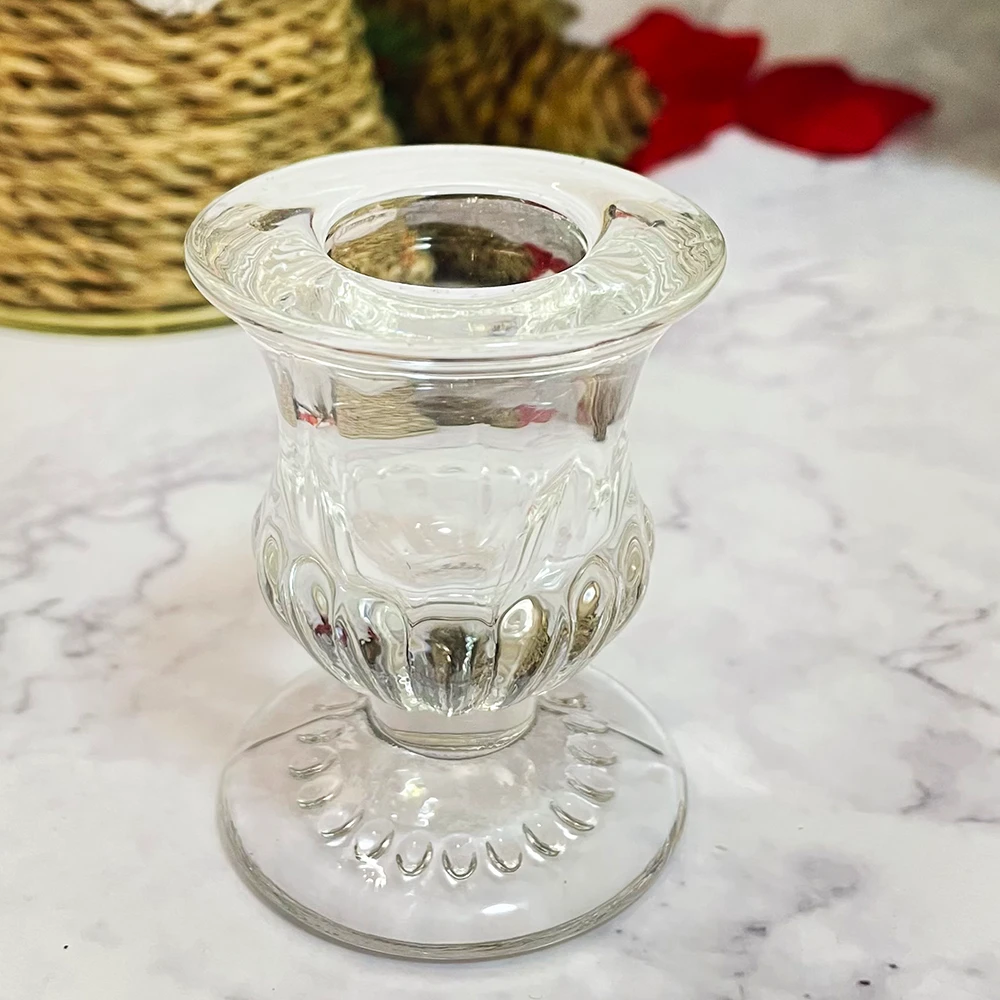
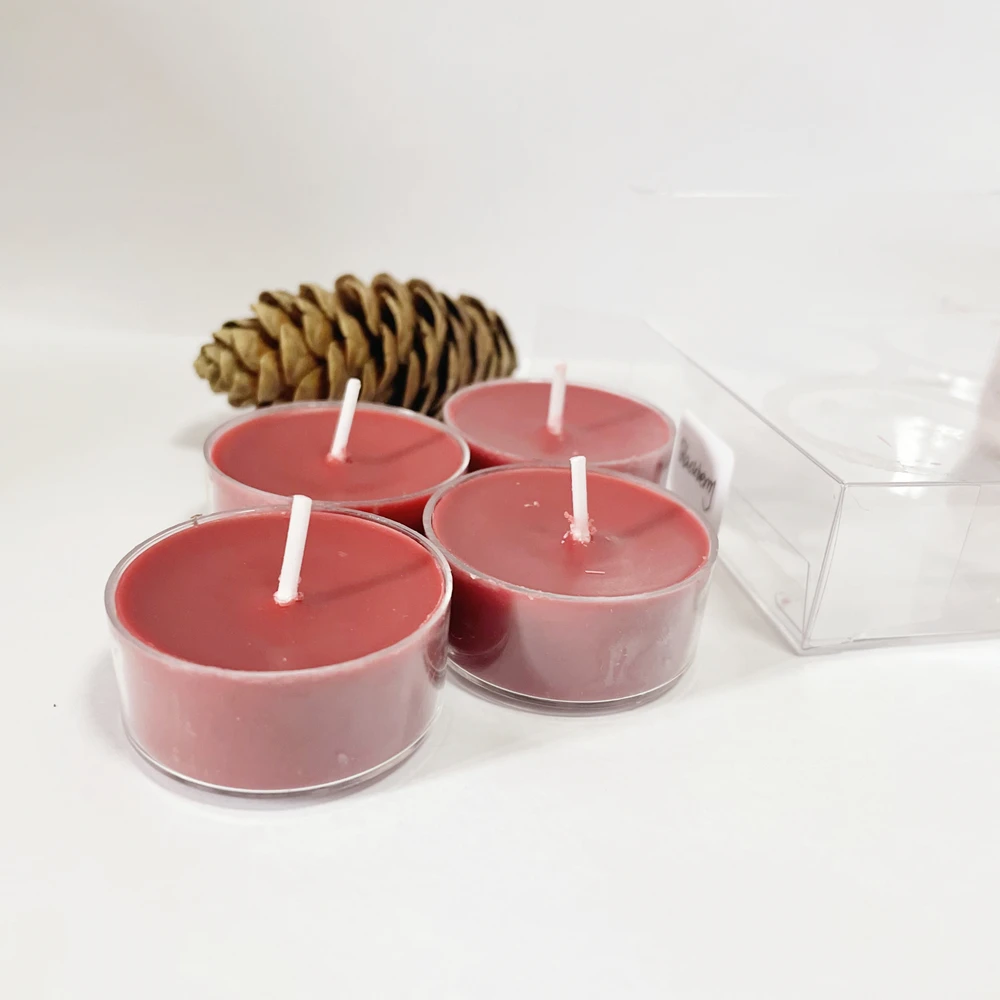
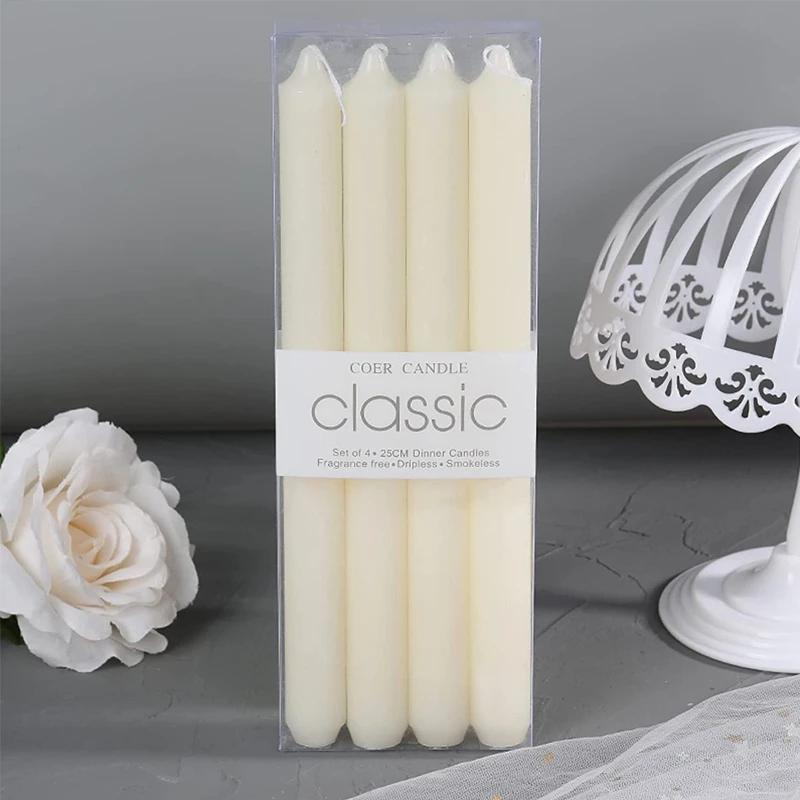
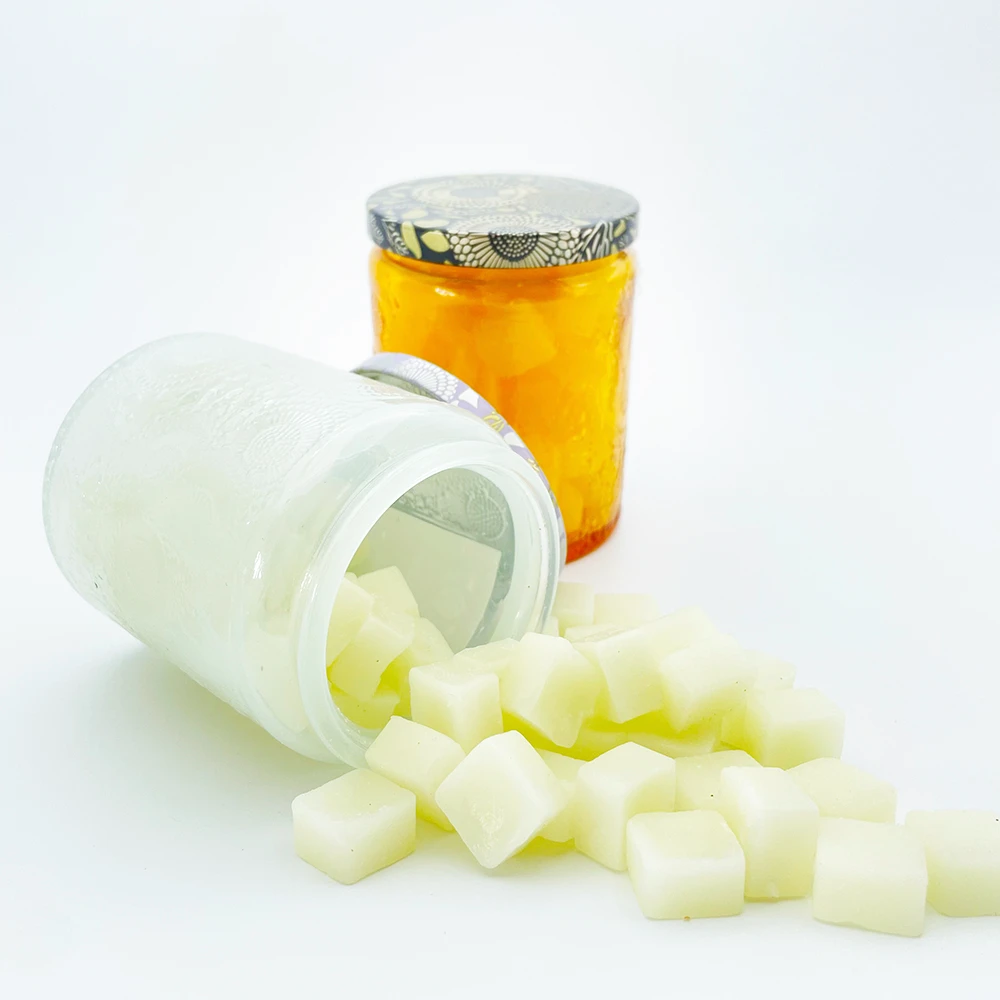
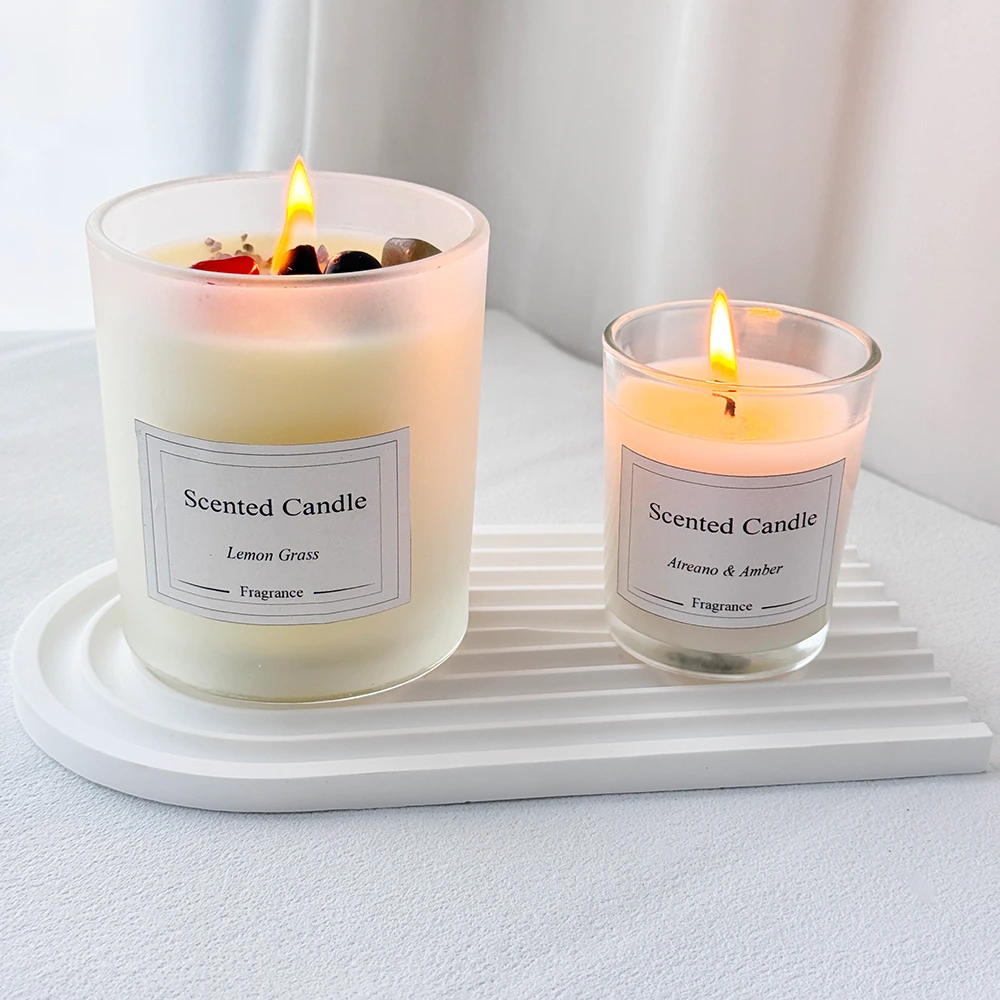
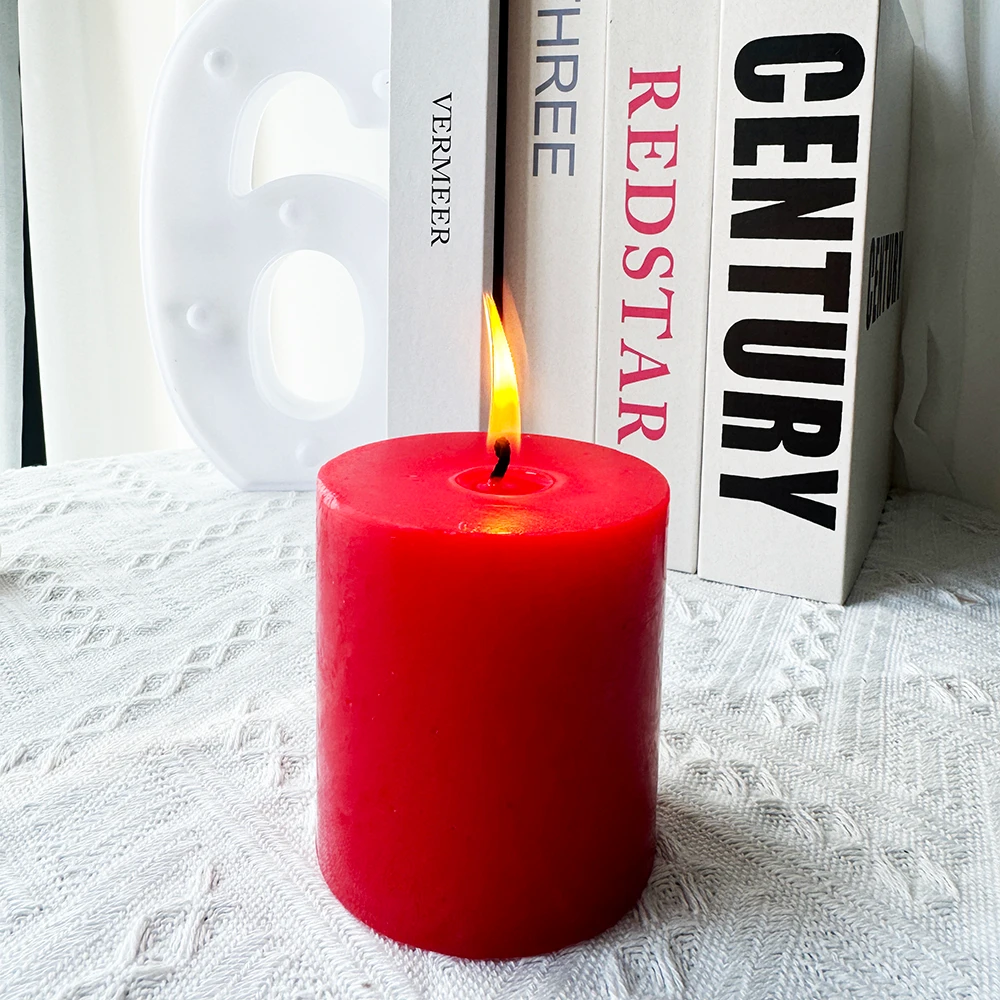
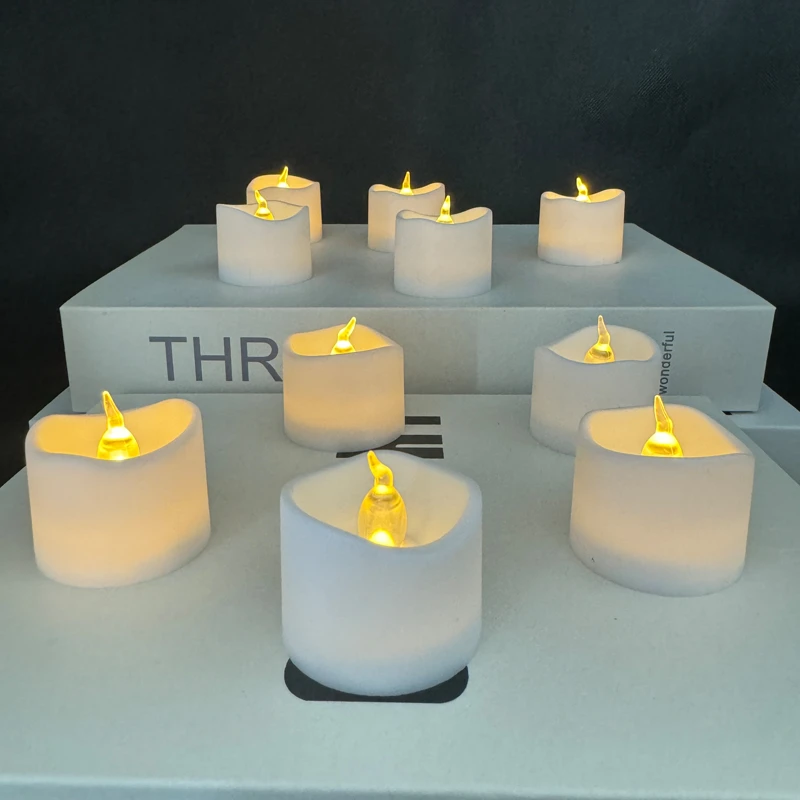
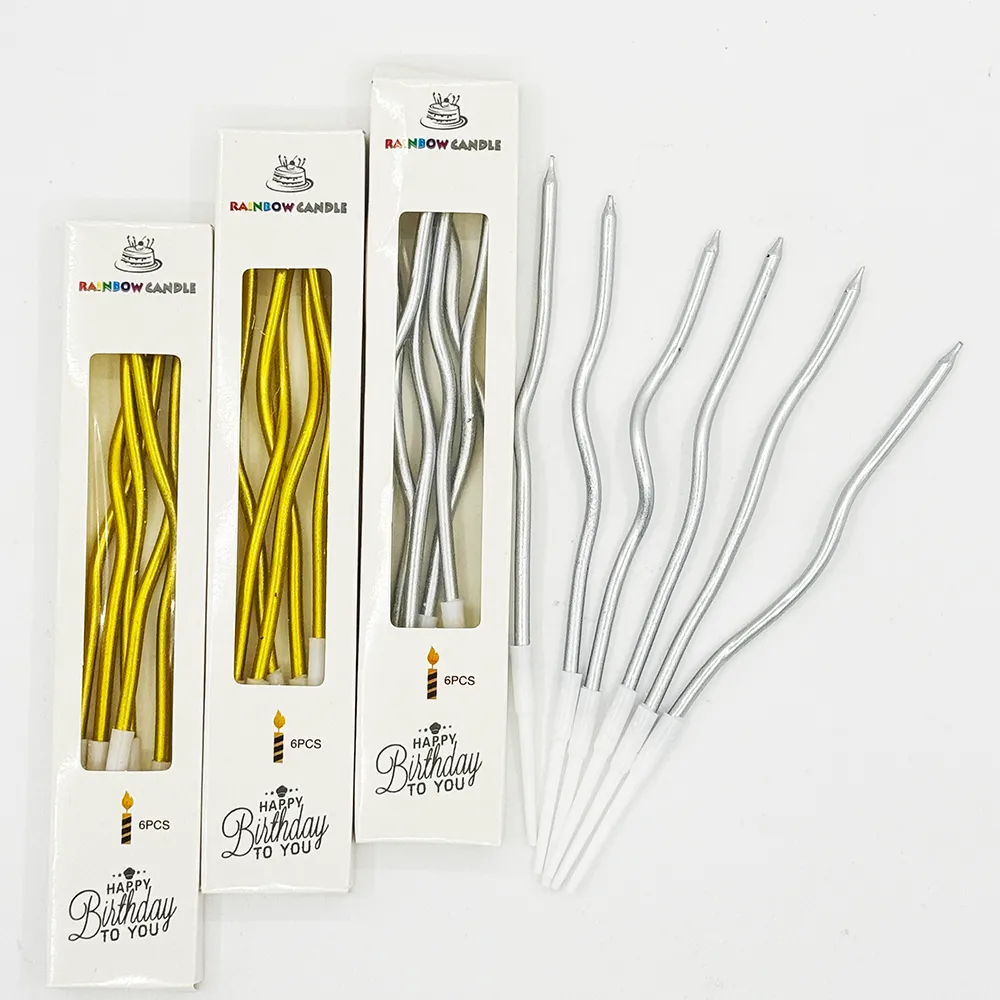
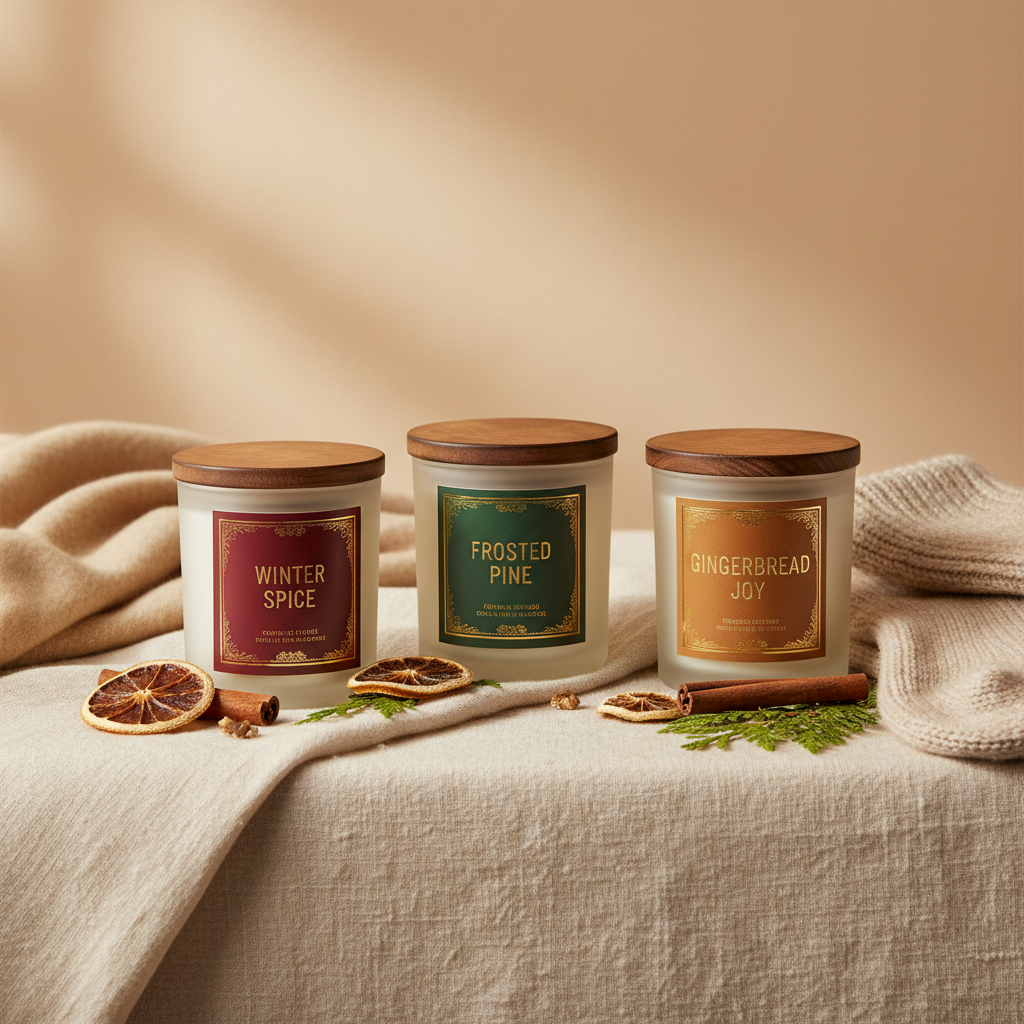
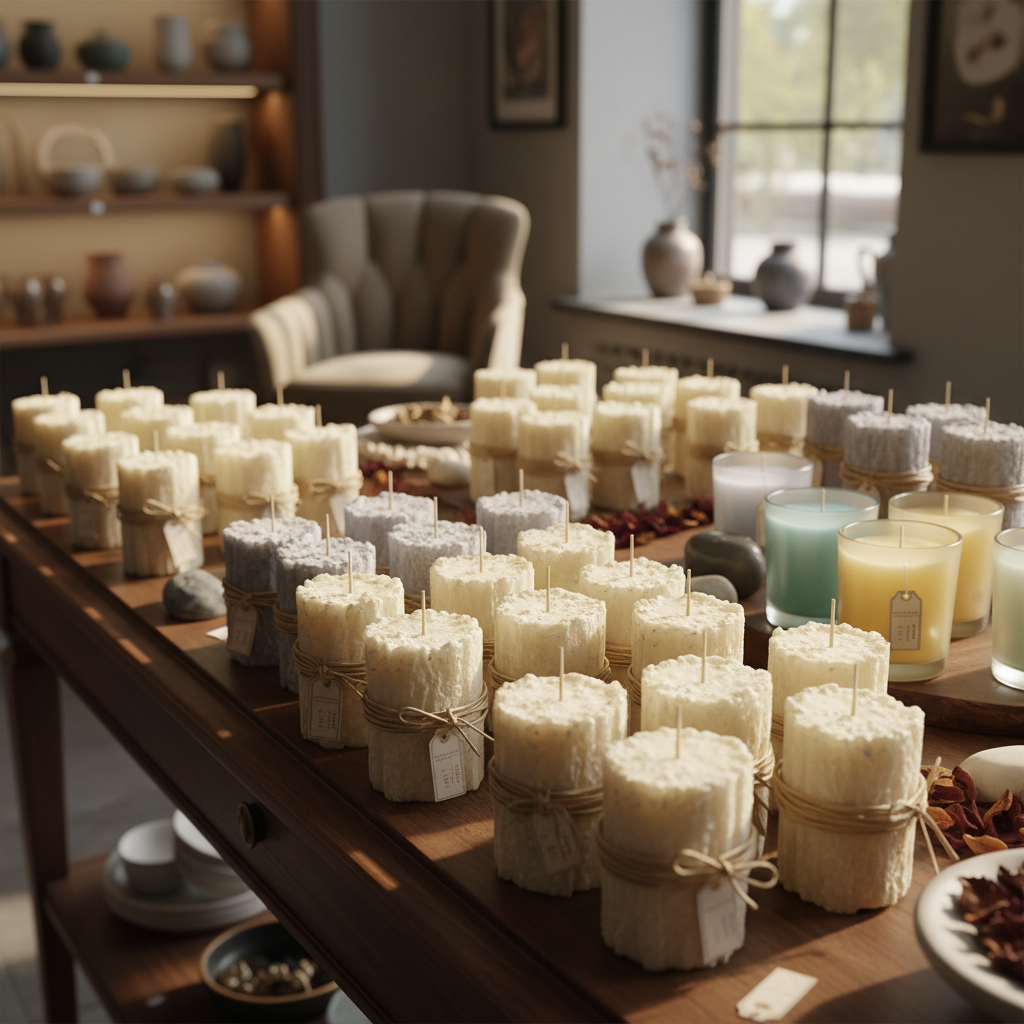
Long lasting scented candles have evolved beyond simple fragrance sources, becoming integral to creating ambiance, promoting well-being, and even influencing mood. The global demand for these products is driven by a growing emphasis on self-care and creating comfortable living spaces, coupled with an increasing appreciation for artisanal and natural products. Understanding the nuances of long lasting scented candles, from wax composition to fragrance load, is crucial for both consumers seeking quality and businesses aiming to thrive in this competitive market.
The industry surrounding long lasting scented candles is a multi-billion dollar market, experiencing consistent growth despite economic fluctuations. This resilience stems from their affordability and versatility – a single candle can offer hours of enjoyment and transform a space without significant investment. Furthermore, the customization options available – from container styles to fragrance blends – allow for a highly personalized consumer experience. The increasing focus on sustainability is also shaping the industry, with a rising demand for candles made with eco-friendly materials and processes.
The appeal of long lasting scented candles transcends cultural boundaries, connecting with a fundamental human desire for comfort, relaxation, and sensory pleasure. They represent more than just a pleasant smell; they evoke memories, create atmospheres, and contribute to a sense of home. This widespread appeal, coupled with continuous innovation in scent technology and wax formulations, ensures the continued relevance and growth of the long lasting scented candles market worldwide.
The Significance of Wax Quality in Long Lasting Scented Candles
The type of wax used significantly impacts the burn time and fragrance throw of long lasting scented candles. Soy wax, for instance, is a popular choice due to its clean burn and renewable source, offering a longer burn time compared to paraffin wax. However, soy wax can sometimes have a softer consistency, requiring additives to improve its structural integrity. Selecting a high-quality wax is the foundational step towards creating a truly long lasting scented candle.
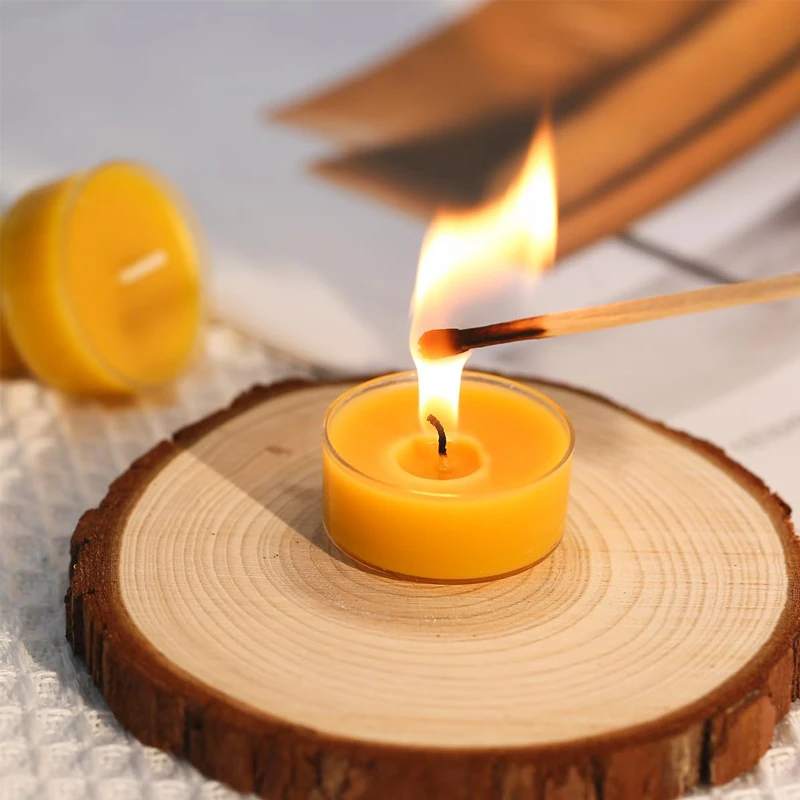
Different wax blends offer unique properties; beeswax provides a natural, subtly sweet aroma and a very slow burn, while coconut wax contributes to an excellent scent throw and a luxurious feel. Understanding these characteristics allows manufacturers to tailor their formulations to achieve desired burn times and fragrance profiles. Ultimately, a higher-quality wax directly translates to a longer-lasting and more enjoyable candle experience.
Fragrance Load and Diffusion
The fragrance load, or the percentage of fragrance oil added to the wax, is a critical factor influencing the strength and longevity of a candle’s scent. A higher fragrance load generally results in a more potent aroma, but exceeding the wax’s capacity can lead to oil separation and a smoky burn. Finding the optimal balance is essential for maximizing scent throw without compromising burn quality.
The diffusion of the fragrance is also influenced by the type of fragrance oil used. Natural essential oils tend to diffuse more subtly and consistently over time compared to synthetic fragrances, which can offer a stronger initial scent but may fade more quickly. The molecular weight of the fragrance oil also plays a role; lighter molecules diffuse more readily, while heavier molecules require more heat to release their aroma.
Proper mixing and curing of the fragrance oil within the wax are vital to ensure even distribution and prevent the fragrance from evaporating prematurely. A well-blended candle will deliver a consistent scent throughout its entire burn time, maximizing its longevity and enjoyment.
Wick Selection and Burn Performance
Choosing the right wick is paramount for achieving a clean, even burn and maximizing the lifespan of long lasting scented candles. Wick size must be carefully matched to the diameter of the candle container and the type of wax used. A wick that is too small will not generate enough heat to melt the wax completely, leading to tunneling (where the wax burns down the center, leaving wax clinging to the sides).
Conversely, a wick that is too large will produce a large, smoky flame, potentially releasing soot and shortening the candle’s burn time. Different wick materials, such as cotton, paper, or wood, also have varying burn characteristics, influencing the flame height, smoke output, and overall burn performance.
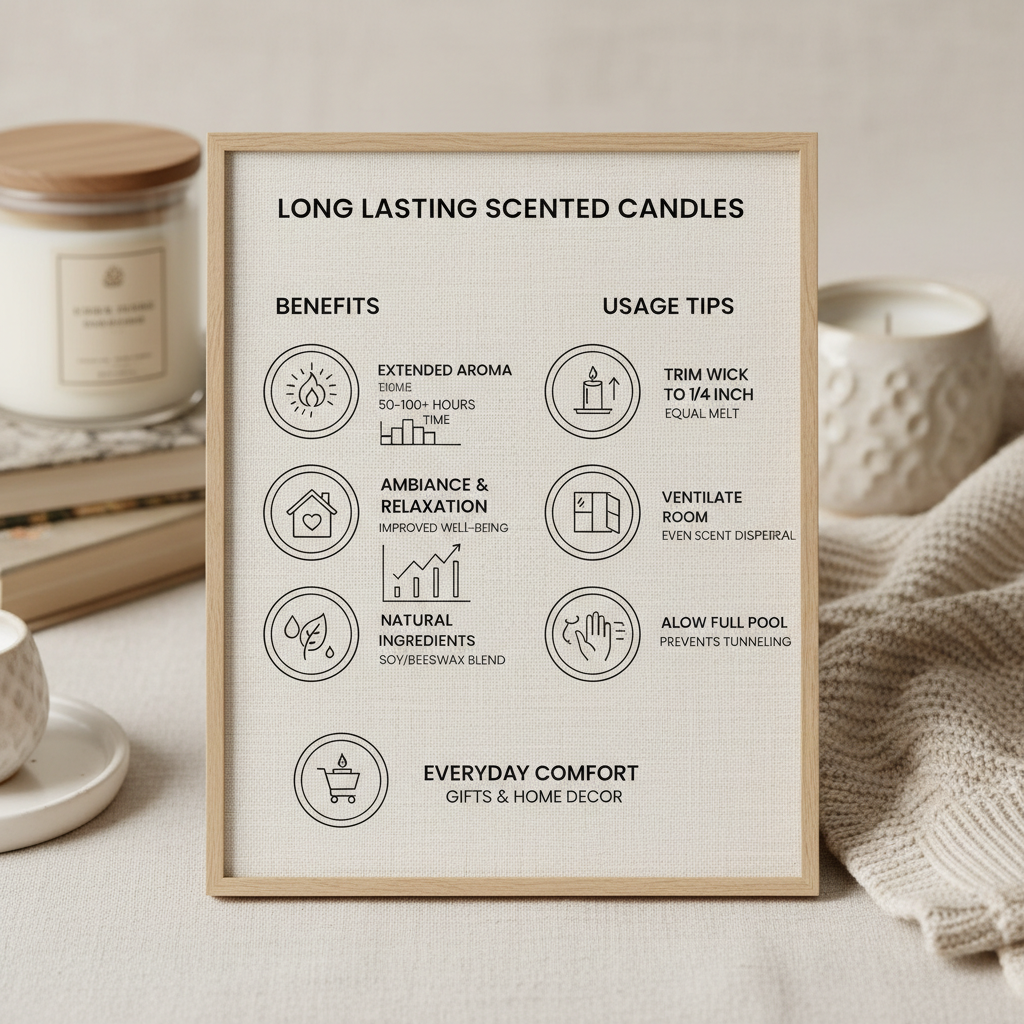
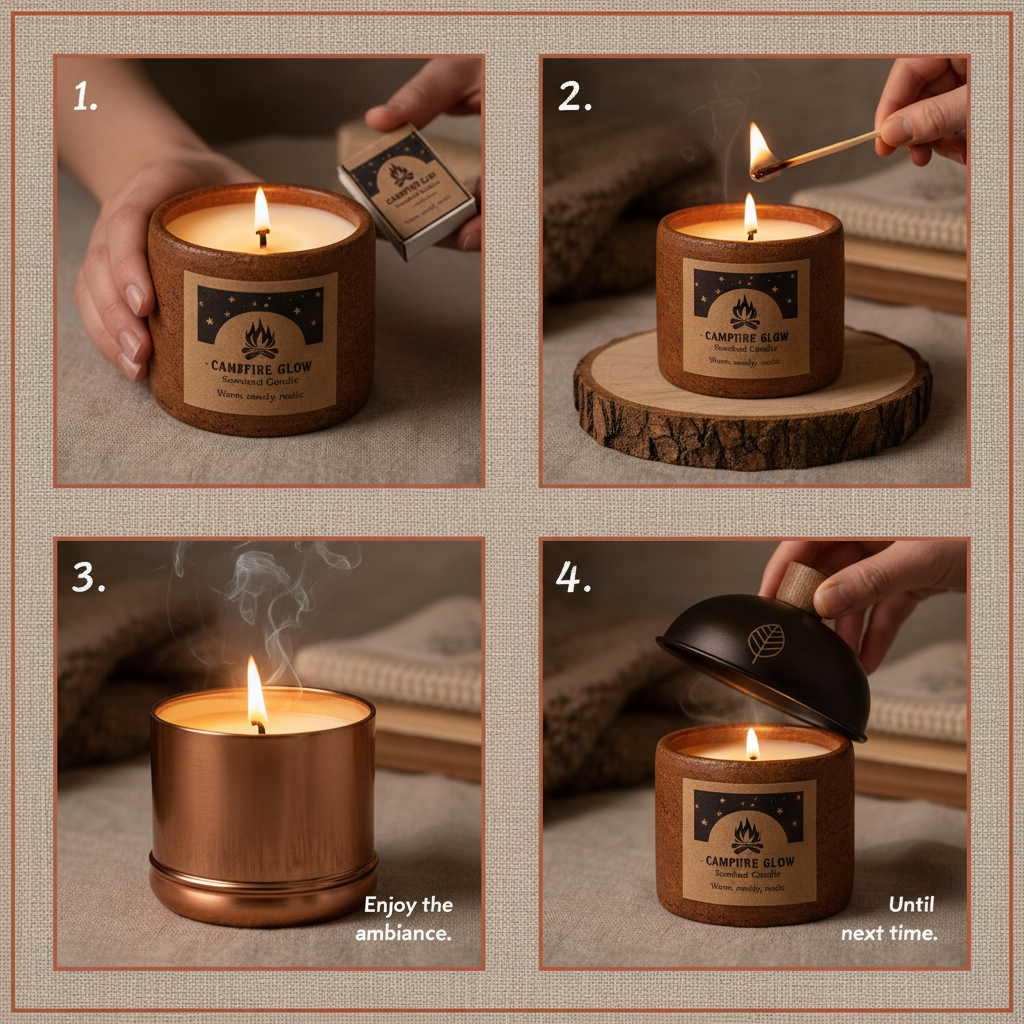
Pre-trimmed wicks are also crucial, ensuring a consistent and safe burn. Maintaining a wick length of approximately ¼ inch before each burn helps to prevent excessive smoking and ensures a clean, efficient flame, contributing to the overall longevity of the long lasting scented candles.
Container Materials and Heat Retention
The container holding a long lasting scented candle plays a significant role in its burn performance and longevity. Glass is a common choice due to its clarity, allowing the candlelight to shine through, and its ability to withstand heat. However, glass thickness and shape can affect heat retention; thicker glass retains heat better, promoting a more even melt pool.
Comparative Heat Retention of Candle Containers
The Impact of Additives on Burn Time
Certain additives can be incorporated into long lasting scented candles to enhance their burn performance and longevity. Vybar, for example, is a popular additive that helps bind fragrance oil to the wax, improving scent throw and reducing the likelihood of frosting or sweating. Stearic acid can increase the hardness of the wax, improving its structure and burn consistency.
However, it’s crucial to use additives judiciously, as excessive amounts can negatively impact the candle’s burn quality. Careful experimentation and testing are essential to determine the optimal additive levels for each specific wax and fragrance oil combination.
Global Market Trends for Long Lasting Scented Candles
The global market for long lasting scented candles is experiencing a surge in demand for natural and sustainable options. Consumers are increasingly seeking candles made with soy wax, beeswax, and essential oils, driven by concerns about health and environmental impact. This trend is particularly pronounced in North America and Europe.
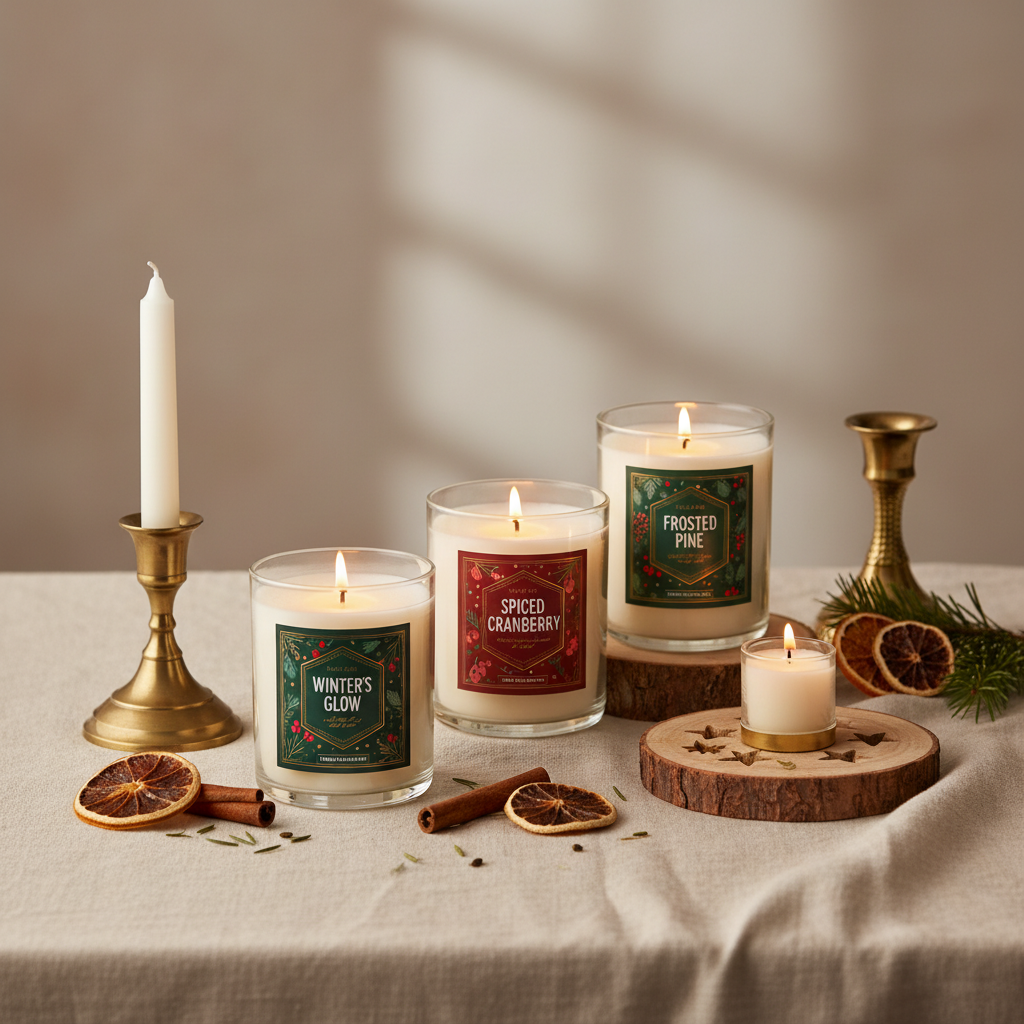
Another key trend is the growing popularity of luxury scented candles, featuring unique fragrance blends and sophisticated packaging. These candles are often positioned as premium gifts or self-care indulgences. The Asia-Pacific region is also emerging as a significant growth market, with increasing disposable incomes and a rising interest in home fragrance.
Digital marketing and e-commerce platforms are playing an increasingly important role in reaching consumers and driving sales of long lasting scented candles. Social media marketing and influencer collaborations are also proving to be effective strategies for building brand awareness and generating demand.
Sustainability and Eco-Friendly Practices in Candle Production
Sustainability is becoming a paramount concern in the long lasting scented candles industry. Manufacturers are increasingly adopting eco-friendly practices, such as using renewable waxes, sourcing sustainable fragrance oils, and minimizing packaging waste.
Recyclable and reusable containers are also gaining popularity, reducing the environmental footprint of candle production and consumption. Some companies are even offering candle refill programs, encouraging customers to reuse their containers and reduce waste.
Transparency in sourcing and production processes is also crucial for building trust with consumers. Certifications such as the Roundtable on Sustainable Palm Oil (RSPO) can help demonstrate a commitment to sustainable practices.
Summary of Sustainable Practices in Long Lasting Scented Candle Production
| Practice |
Environmental Impact |
Cost Implication |
Consumer Perception |
| Soy Wax Usage |
Reduced reliance on petroleum-based paraffin wax. |
Moderate - Soy wax can be slightly more expensive. |
Highly positive - Perceived as a natural and eco-friendly option. |
| Essential Oil Fragrances |
Avoids synthetic fragrances and their potential environmental concerns. |
High - Essential oils are typically more expensive than synthetic fragrances. |
Very positive - Associated with natural wellness and aromatherapy. |
| Recycled Packaging |
Reduces landfill waste and demand for virgin materials. |
Low to Moderate - Cost depends on the source and type of recycled material. |
Positive - Demonstrates environmental responsibility. |
| Reusable Containers |
Eliminates single-use packaging and promotes circular economy principles. |
Moderate - Requires durable, high-quality containers. |
Highly positive - Appeals to environmentally conscious consumers. |
| Local Sourcing |
Reduces transportation emissions and supports local economies. |
Variable - Depends on proximity to suppliers. |
Positive - Highlights commitment to community and sustainability. |
| Carbon-Neutral Shipping |
Offsets carbon emissions from transportation. |
Moderate - Involves investing in carbon offset projects. |
Positive - Demonstrates commitment to climate action. |
FAQS
A clean and even burn in long lasting scented candles is achieved through a combination of factors. Choosing the correct wick size for the candle's diameter and wax type is paramount. High-quality wax, free of impurities, also contributes to a clean burn. Ensuring the wick is properly trimmed to ¼ inch before each burn prevents soot and maximizes fragrance throw. Avoiding drafts and allowing the candle to burn long enough to create a full melt pool on the first burn are also critical steps.
Tunneling, where the candle burns down the center leaving wax on the sides, is a common issue. To prevent it, allow the candle to burn long enough during the first burn to melt the wax across the entire surface, creating a full melt pool. This establishes a "memory ring" for subsequent burns. Avoid extinguishing the candle until the entire top layer has melted. If tunneling occurs, consider using a candle warmer or carefully wrapping aluminum foil around the top of the candle to direct heat outwards.
Paraffin wax is a petroleum byproduct, known for its strong scent throw but often criticized for releasing soot. Soy wax is a renewable resource offering a cleaner burn and longer burn time, although it may have a slightly weaker scent throw. Beeswax is a natural wax with a subtle honey scent and an exceptionally slow burn. It’s the most environmentally friendly option but also the most expensive, making it less common in mass-produced long lasting scented candles.
Maximizing fragrance throw involves several factors. Ensure a high fragrance load within the wax (typically 6-10%). Allow the candle to burn long enough to create a full melt pool, as this releases the fragrance more effectively. Place the candle in a draft-free area to prevent uneven burning and scent dissipation. Avoid placing the candle near air vents or open windows. Consider using a candle warmer to gently release the fragrance without burning the wax.
Essential oil scented candles are often preferred for their natural aroma and potential therapeutic benefits. However, essential oils are more expensive and have a weaker scent throw compared to synthetic fragrances. Synthetic fragrances offer a wider range of scent profiles and are more cost-effective. The best choice depends on personal preference and priorities - natural aroma versus scent strength and affordability.
Store long lasting scented candles in a cool, dark, and dry place, away from direct sunlight and heat. Exposure to these elements can cause the wax to melt, the fragrance to evaporate, and the color to fade. Keep candles in their original packaging or airtight containers to protect them from dust and odors. Avoid storing candles in humid environments, as this can also affect their quality.
Conclusion
Long lasting scented candles offer more than just a pleasant aroma; they represent a commitment to creating ambiance, enhancing well-being, and embracing sustainable practices. From the careful selection of wax and fragrance to the precision of wick placement and container choice, every element plays a crucial role in achieving a truly exceptional candle experience. Understanding these factors empowers consumers to make informed choices and appreciate the artistry behind a high-quality, long-lasting product.
As the demand for natural, sustainable, and personalized products continues to grow, the long lasting scented candles industry is poised for further innovation and expansion. Embracing eco-friendly materials, exploring new fragrance technologies, and prioritizing consumer preferences will be key to success in this evolving market. Visit our website at long lasting scented candles to explore our collection and experience the difference.