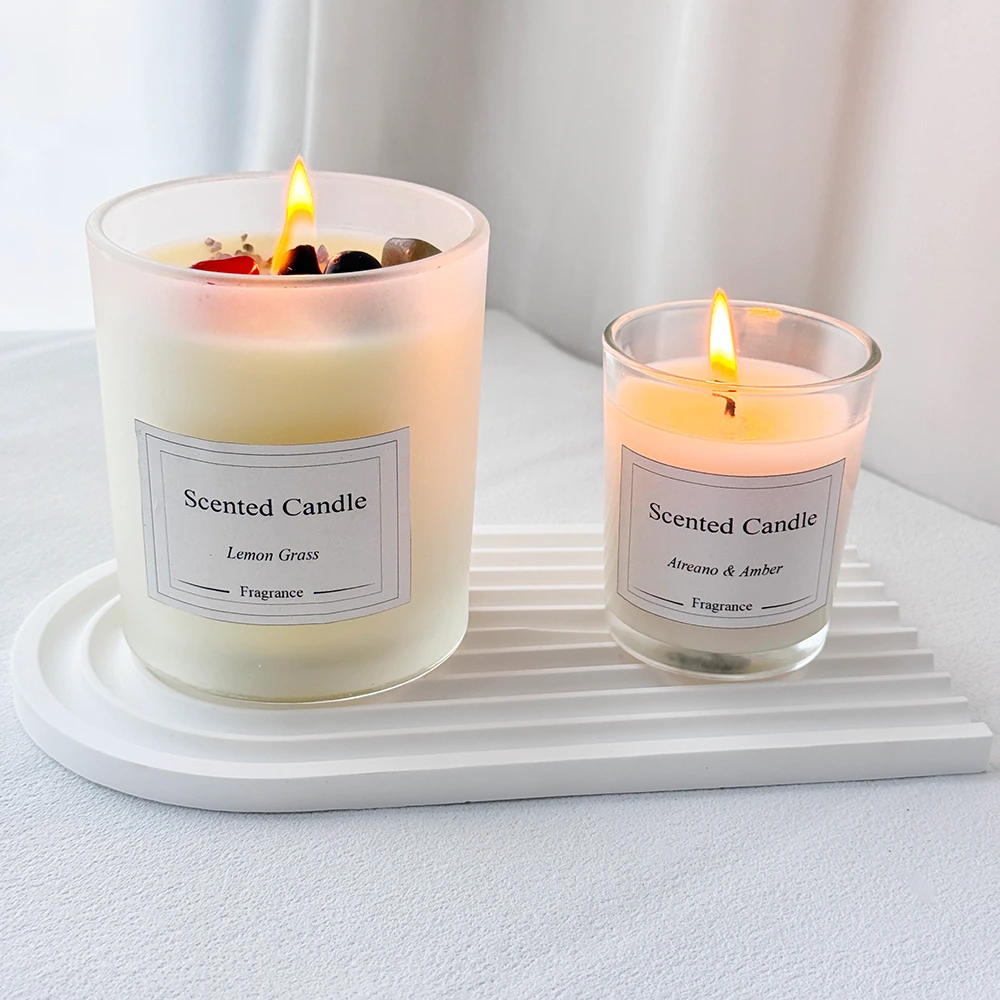
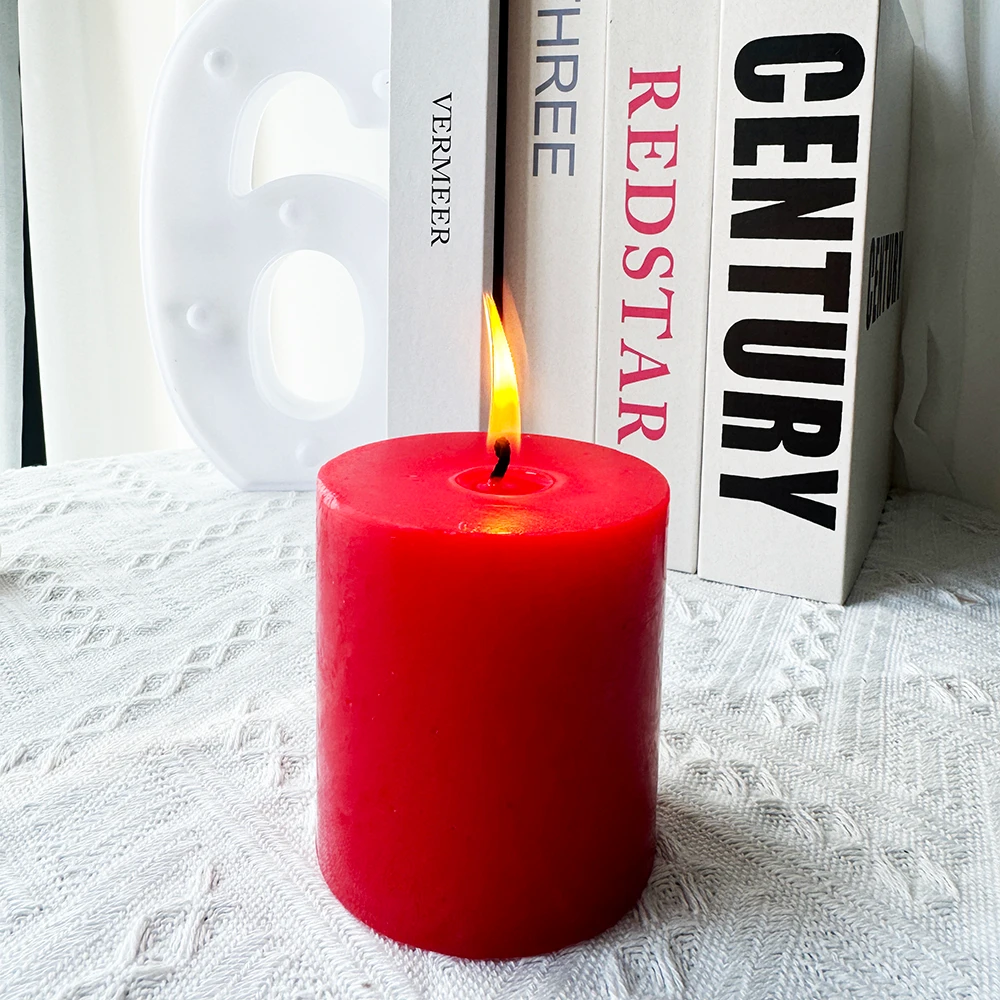
Organic scented candles have become increasingly popular as consumers seek natural and healthier alternatives to conventional, paraffin-based candles. More than just a source of pleasant aromas, these candles represent a growing trend towards sustainable living and wellness. The global demand for organic scented candles is fueled by increasing awareness of the harmful effects of synthetic fragrances and chemicals found in traditional candles, and a desire for products that align with eco-conscious values. organic scented candles are no longer a niche market but are rapidly gaining mainstream acceptance.
The market for scented candles, in general, is substantial. According to data from the National Candle Association, the U.S. candle market reached $3.2 billion in 2022, with scented candles accounting for approximately 75% of all candle sales. A significant portion of this growth can be attributed to the rising consumer preference for natural and organic options, particularly among millennial and Gen Z demographics. This shift in consumer behavior has created a fertile ground for businesses specializing in organic scented candles.
Understanding the nuances of organic scented candles – from the sourcing of ingredients to the manufacturing processes – is crucial for both consumers and businesses alike. This knowledge empowers informed purchasing decisions and supports the growth of a more sustainable and ethical candle industry. Choosing organic scented candles means investing in a product that’s better for your health, the environment, and the artisans who create them.
The Significance of Organic Scented Candles
The growing demand for organic scented candles stems from a broader consumer movement towards natural and sustainable products. Consumers are increasingly aware of the potential health risks associated with synthetic fragrances, which can contain phthalates and other harmful chemicals. Organic scented candles, crafted with essential oils and natural waxes, offer a safer and healthier alternative. organic scented candles provide aromatherapy benefits without the risk of exposure to potentially toxic substances.
Beyond health concerns, the environmental impact of traditional candle production is also a significant driver of the organic trend. Paraffin wax, a byproduct of petroleum refining, is a non-renewable resource and its combustion releases harmful pollutants into the air. Organic candles utilize renewable resources like soy wax, beeswax, or coconut wax, reducing their carbon footprint and promoting environmental sustainability.
Defining Organic Scented Candles
Simply put, organic scented candles are candles made with ingredients that are derived from organically grown or harvested sources. This typically means that the waxes used (like soy, beeswax, or coconut wax) are produced without the use of pesticides, herbicides, or synthetic fertilizers. The fragrances are sourced from pure essential oils, rather than synthetic fragrance oils, ensuring a natural and authentic aroma. The term “organic” in this context implies a commitment to environmentally friendly and sustainable practices throughout the entire supply chain.
However, it’s important to note that the term "organic" isn't always strictly regulated in the candle industry. Look for certifications from reputable organizations (like USDA Organic) to ensure that the ingredients truly meet organic standards. A truly organic candle will be free from paraffin wax, phthalates, synthetic dyes, and lead wicks – all common components of conventional candles.
The connection to modern industry and humanitarian needs lies in the growing demand for transparency and ethical sourcing. Consumers increasingly prioritize products that align with their values, and organic scented candles represent a tangible way to support sustainable agriculture and responsible manufacturing. This demand drives innovation and encourages businesses to adopt more eco-friendly practices.
Key Components of Quality Organic Scented Candles
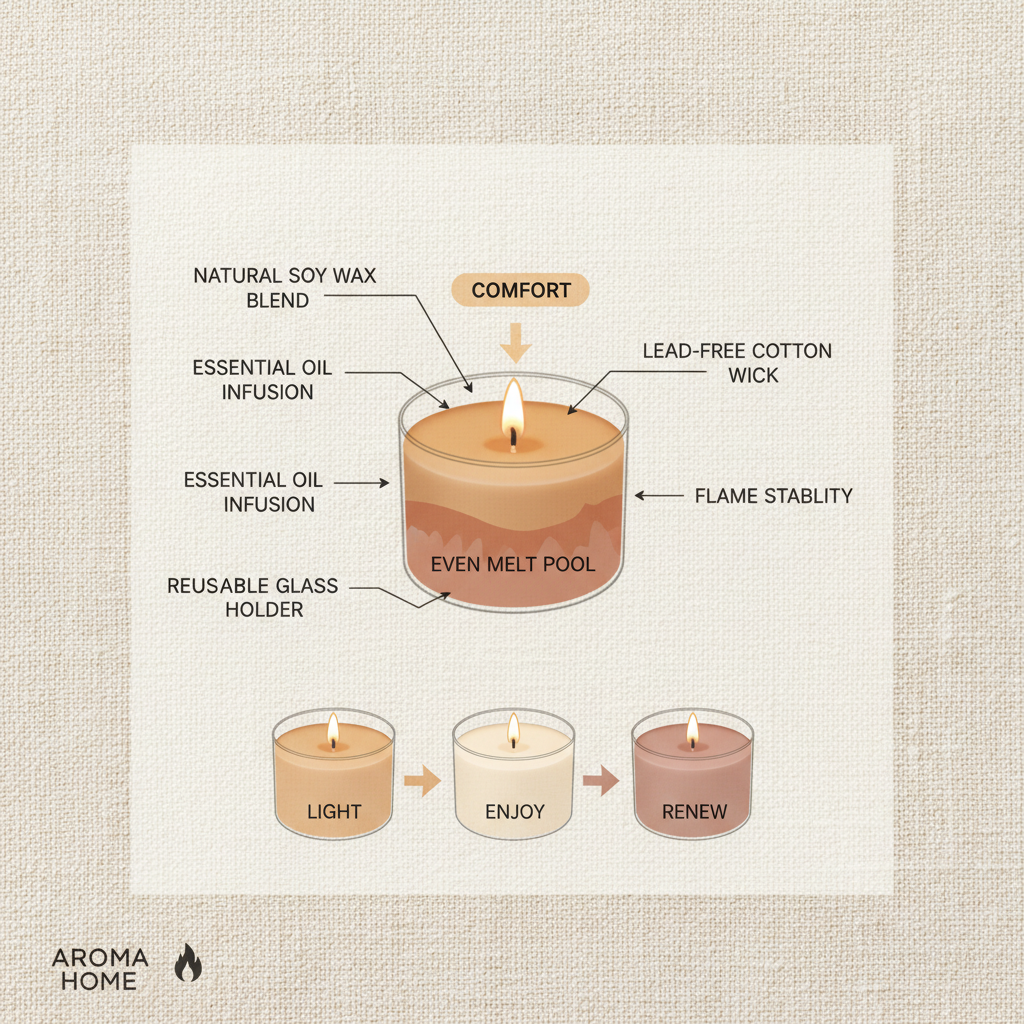
Several key components determine the quality and performance of organic scented candles. Firstly, the type of wax used is critical. Soy wax, beeswax, and coconut wax are the most common organic options, each with its unique properties. Soy wax is affordable and burns cleanly, while beeswax provides a longer burn time and a subtle honey scent. Coconut wax offers excellent scent throw and a luxurious feel. Choosing the right wax impacts burn time, fragrance diffusion, and overall candle quality.
Secondly, the essential oils used for fragrance play a vital role. Pure essential oils not only provide a natural aroma but also offer therapeutic benefits through aromatherapy. The quality and sourcing of these oils are paramount; opt for oils that are certified organic and ethically sourced. The concentration of essential oils also affects the scent throw – a higher concentration typically results in a stronger fragrance. organic scented candles utilize only the highest quality essential oils.
Thirdly, the wick material is crucial. Avoid candles with lead wicks, as lead is a toxic heavy metal. Instead, choose candles with cotton or wood wicks. The size and type of wick must be appropriate for the diameter of the candle to ensure a clean and even burn. Finally, the container itself influences the overall candle experience. Glass jars, ceramic vessels, or even recycled materials are all suitable options.
The Impact of Wax Type on Organic Scented Candle Performance
The choice of wax significantly impacts the performance characteristics of organic scented candles. Different waxes have varying melting points, burn times, scent throws, and environmental profiles. Understanding these differences is essential for selecting the best wax for your specific needs. organic scented candles consider these differences carefully during production.
Here’s a comparison of some popular organic wax options: Soy wax is known for its clean burn and affordability, but it often requires additives to improve scent throw. Beeswax has a naturally sweet aroma and burns longer than soy wax, but it’s more expensive. Coconut wax offers the best scent throw and a luxurious texture, but it’s the most costly option. Each wax type presents a unique balance of performance, cost, and sustainability.
Organic Scented Candle Wax Performance Comparison
Global Applications and Market Trends
The market for organic scented candles is experiencing rapid growth globally, with North America and Europe leading the way. Increasing disposable incomes, a growing awareness of health and environmental issues, and a rising demand for luxury goods are all contributing to this trend. Asia-Pacific is also emerging as a significant market, driven by a burgeoning middle class and a growing interest in aromatherapy and wellness.
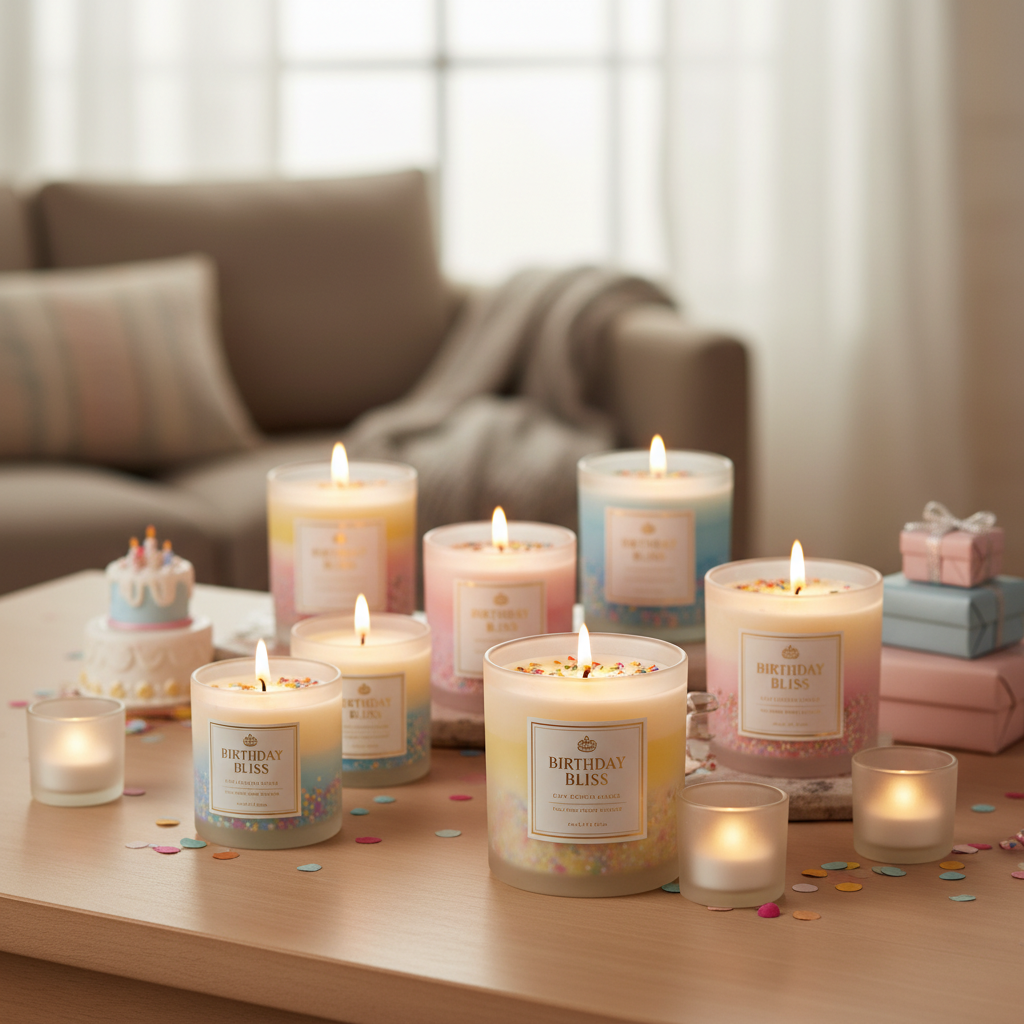
Organic scented candles are finding applications in a variety of settings, from homes and spas to hotels and retail stores. They are increasingly being used as gifts, particularly for special occasions, and as a way to create a relaxing and inviting atmosphere. The aromatherapy benefits of organic essential oils are also driving demand in the wellness industry.
Benefits and Long-Term Value of Organic Choices
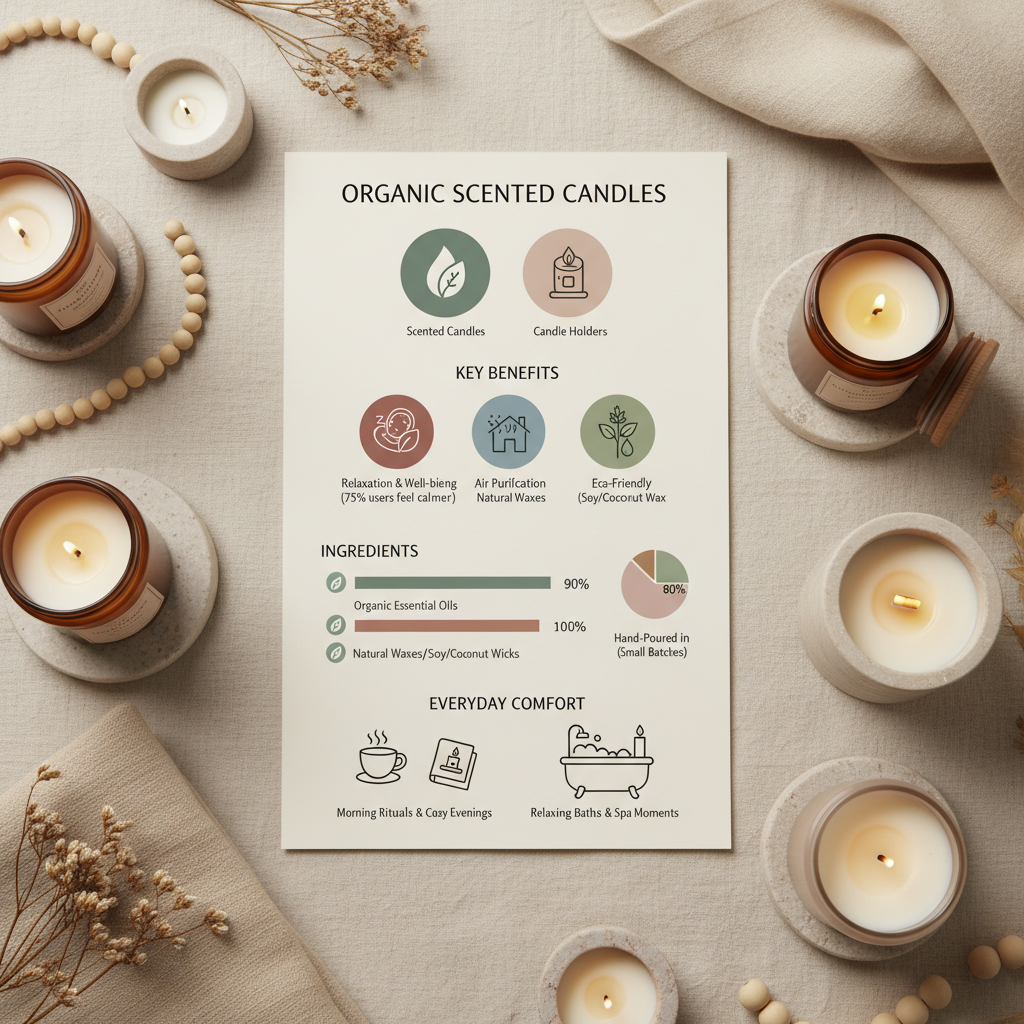
Choosing organic scented candles offers a range of tangible benefits. From a health perspective, they eliminate exposure to harmful chemicals found in conventional candles, reducing the risk of respiratory problems and other health issues. From an environmental standpoint, they support sustainable agriculture and reduce the carbon footprint associated with candle production. The long-term value lies in prioritizing your health and well-being, and contributing to a more sustainable future.
Beyond the practical benefits, organic scented candles also offer emotional and psychological value. The natural aromas of essential oils can evoke positive emotions, reduce stress, and promote relaxation. Investing in high-quality organic candles is an investment in your overall well-being and creates a more harmonious and inviting living space. organic scented candles contribute to a sense of calm and tranquility.
The ethical considerations also contribute to the long-term value. Supporting businesses that prioritize sustainable sourcing and ethical manufacturing practices builds trust and encourages responsible production.
Future Innovations and Sustainability in Organic Candle Making
The future of organic candle making is bright, with ongoing innovations focused on sustainability and performance. Researchers are exploring new renewable wax sources, such as algae wax and upcycled agricultural waste, to further reduce the environmental impact. Developments in essential oil extraction and encapsulation techniques are also enhancing scent throw and longevity. The increasing adoption of digital technologies and automation is streamlining production processes and improving quality control.
Green chemistry principles are playing a larger role, leading to the development of safer and more eco-friendly dyes and additives. The use of biodegradable packaging materials is also gaining traction. Furthermore, consumer demand for transparency and traceability is driving the adoption of blockchain technology to track the origin of ingredients and ensure ethical sourcing.
The continued growth of the organic scented candle market will be contingent on maintaining these innovations and addressing challenges related to cost and scalability.
Challenges and Solutions in Organic Scented Candle Production
Despite the growth of the organic scented candle market, several challenges remain. One key hurdle is the higher cost of organic ingredients compared to their synthetic counterparts. This can make organic candles more expensive, potentially limiting their accessibility to a wider consumer base. Sourcing consistent, high-quality organic materials can also be a challenge, particularly for smaller businesses. Maintaining a consistent scent throw with natural essential oils can be more difficult than with synthetic fragrances.
To overcome these challenges, businesses are exploring strategies such as vertical integration (controlling more of the supply chain), bulk purchasing, and partnerships with organic farmers. Investing in research and development to optimize scent formulations and improve the efficiency of essential oil extraction can also help to reduce costs. Educating consumers about the benefits of organic candles and the value of supporting sustainable practices is crucial.
Ultimately, collaboration across the entire supply chain – from farmers to manufacturers to retailers – is essential for creating a more resilient and sustainable organic scented candle industry.
FAQS
A truly organic scented candle is crafted using waxes derived from organically grown sources (soy, beeswax, coconut) and scented exclusively with pure essential oils. This means no pesticides, herbicides, synthetic fertilizers, or artificial fragrances are used throughout the process. Look for certifications like USDA Organic to verify the organic status of the ingredients.
Yes, organic scented candles are generally safer. Conventional candles often contain paraffin wax (a petroleum byproduct) and synthetic fragrances that release potentially harmful chemicals like phthalates into the air. Organic candles eliminate these risks by utilizing natural waxes and essential oils, creating a cleaner and healthier burning experience.
Be wary of vague marketing terms like “natural” or “eco-friendly”. Look for specific organic certifications (USDA Organic, etc.). Read the ingredient list carefully – a truly organic candle will clearly list organic waxes and essential oils. Research the brand and check if they are transparent about their sourcing and manufacturing processes.
Traditionally, synthetic fragrance oils provided a stronger initial scent throw. However, advancements in essential oil extraction and formulation techniques are allowing organic candles to achieve comparable scent throws. Factors like wax type, essential oil concentration, and wick size all play a role in scent throw performance.
Generally, organic scented candles are more expensive due to the higher cost of organic ingredients and the more labor-intensive production processes involved. Organic farming practices and essential oil extraction are often more costly than their synthetic alternatives. However, the health and environmental benefits often justify the higher price point.
Always trim the wick to ¼ inch before each burn. Allow the candle to burn long enough for the wax to melt evenly across the surface (avoid tunneling). Avoid burning the candle for more than 4 hours at a time. Store the candle in a cool, dark place to preserve the fragrance.
Conclusion
Organic scented candles represent more than just a fragrance choice; they embody a commitment to health, sustainability, and ethical living. From the sourcing of organic waxes and essential oils to the meticulous crafting processes, these candles offer a holistic and mindful alternative to conventional options. The benefits extend beyond aromatherapy, encompassing environmental responsibility and support for sustainable agriculture. organic scented candles are a conscious choice for a better home and a better world.
Looking ahead, continued innovation in wax technologies, essential oil extraction, and sustainable packaging will further enhance the appeal of organic scented candles. By embracing transparency, supporting ethical sourcing practices, and educating consumers, we can collectively drive the growth of this burgeoning industry and create a brighter, more fragrant future. Choose organic scented candles— invest in wellness, sustainability, and a more conscious lifestyle.