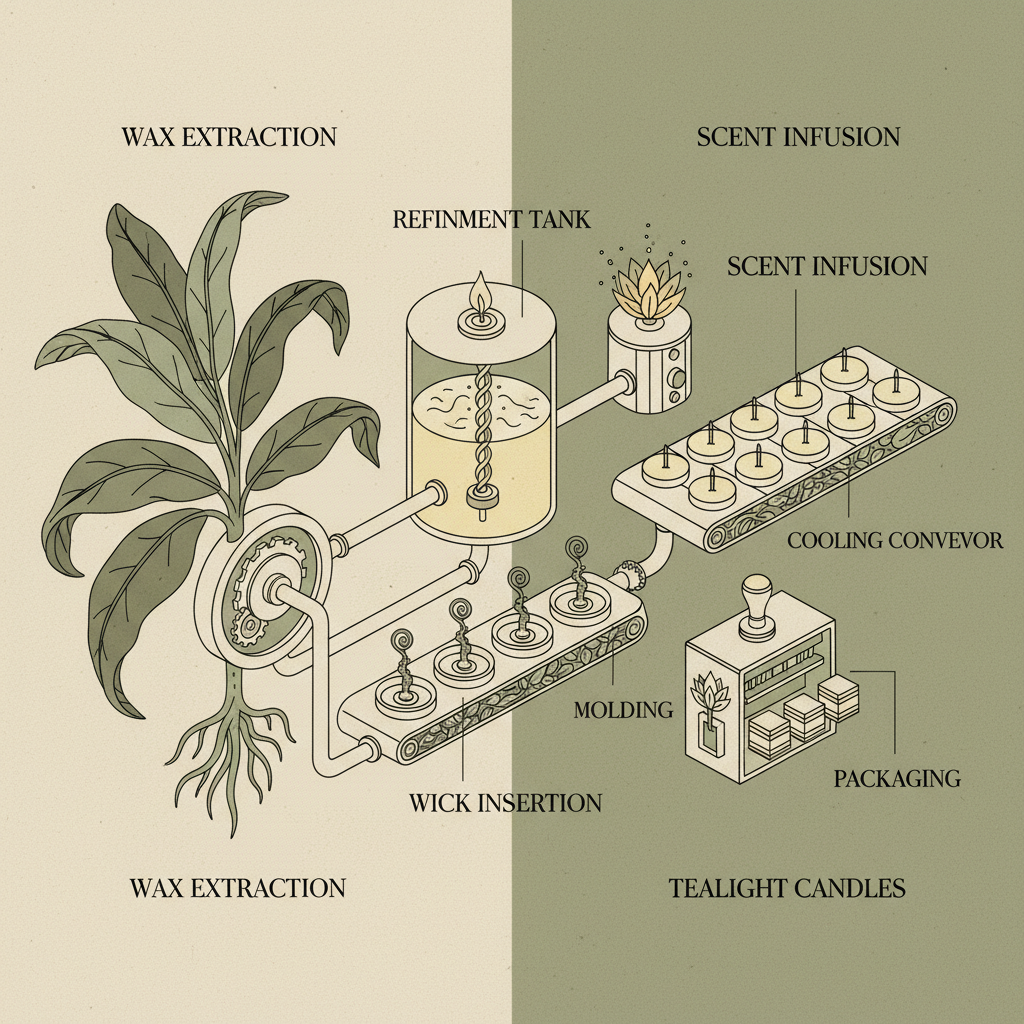
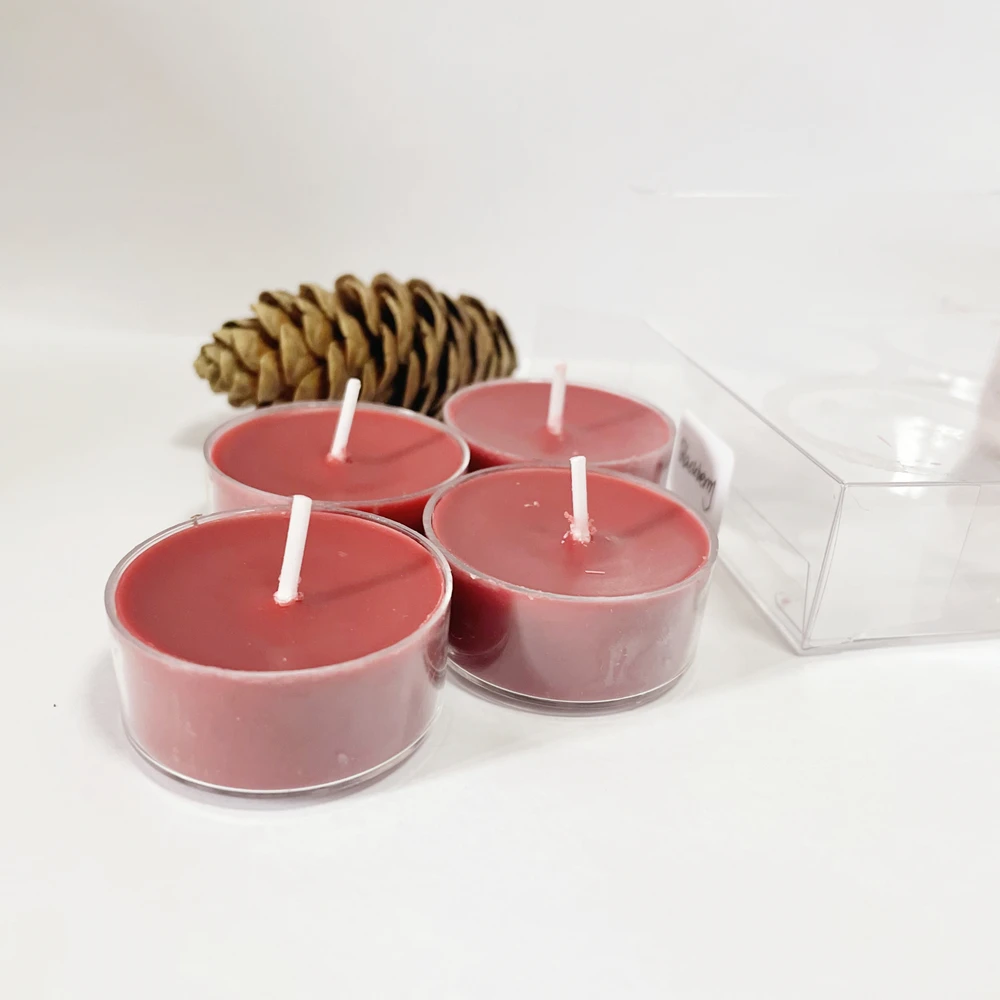
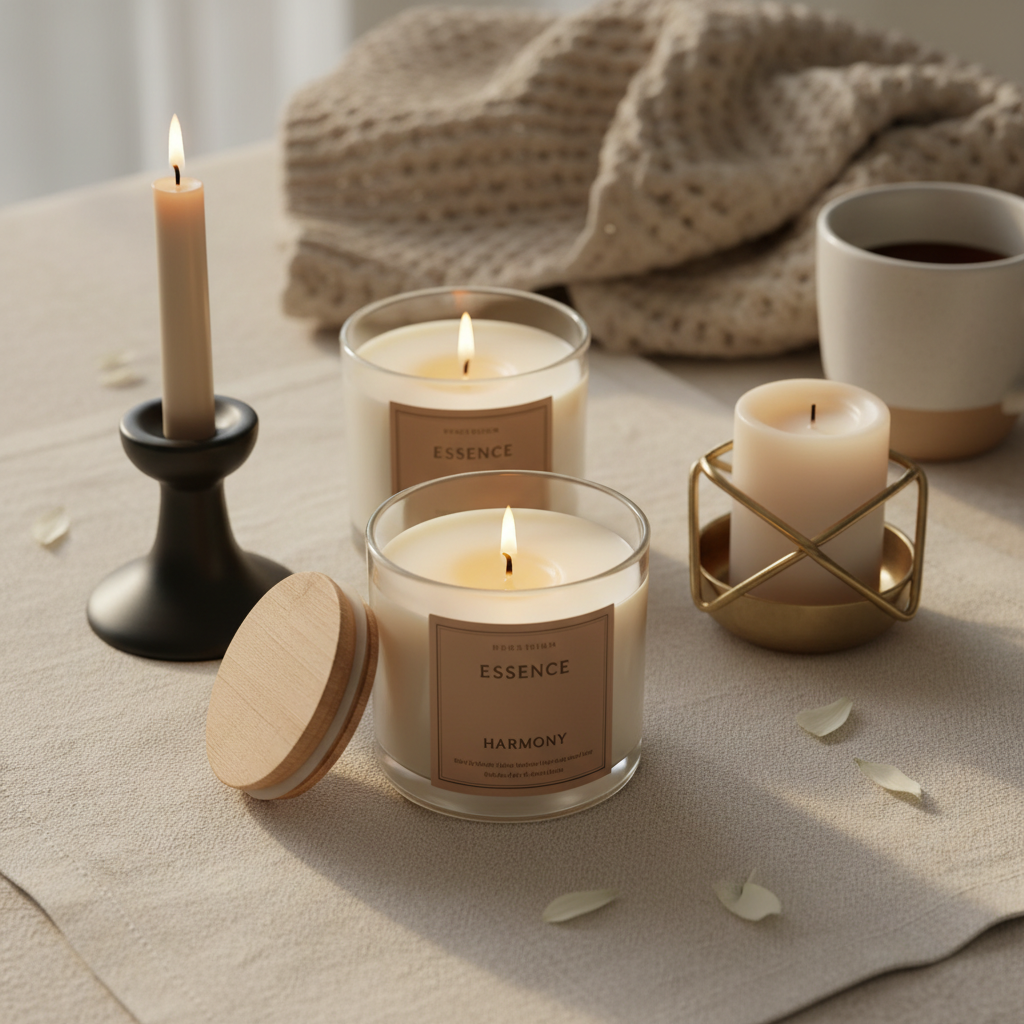
Honestly, the tealight candle market? It's been... interesting. Everyone’s chasing these bio-based waxes, you know? Soy, coconut, rapeseed. Feels like every other factory tour is someone showing off their latest “sustainable” blend. It’s good, don’t get me wrong, but a lot of it’s just marketing. I saw a place last week claiming their candles were carbon negative. Carbon negative! I just blinked.
But the real shift I've noticed isn't the wax, it’s the containers. People want less plastic, obviously. Aluminum's back in a big way, but even then, there's pressure for recycled content. And then everyone’s after these specific burn times...it’s a surprisingly finicky thing, getting a tealight to burn consistently for a set period. You’d think it'd be simple. It isn’t.
It's all about keeping costs down while still looking good and not smelling like burnt plastic, right? I swear, the number of times I’ve walked into a new supplier's factory and immediately been hit with that acrid smell… makes you question everything. Anyway, I think a lot of folks underestimate just how much handling these things take.
The Current Landscape of tealight candle manufacturer
To be honest, the biggest trend right now is ‘clean burning’. Everyone's worried about soot and toxins. It's driving demand for higher quality waxes, like those mentioned before, and tighter quality control on wicks. The pressure's on to meet these increasingly stringent regulations, especially in Europe and North America.
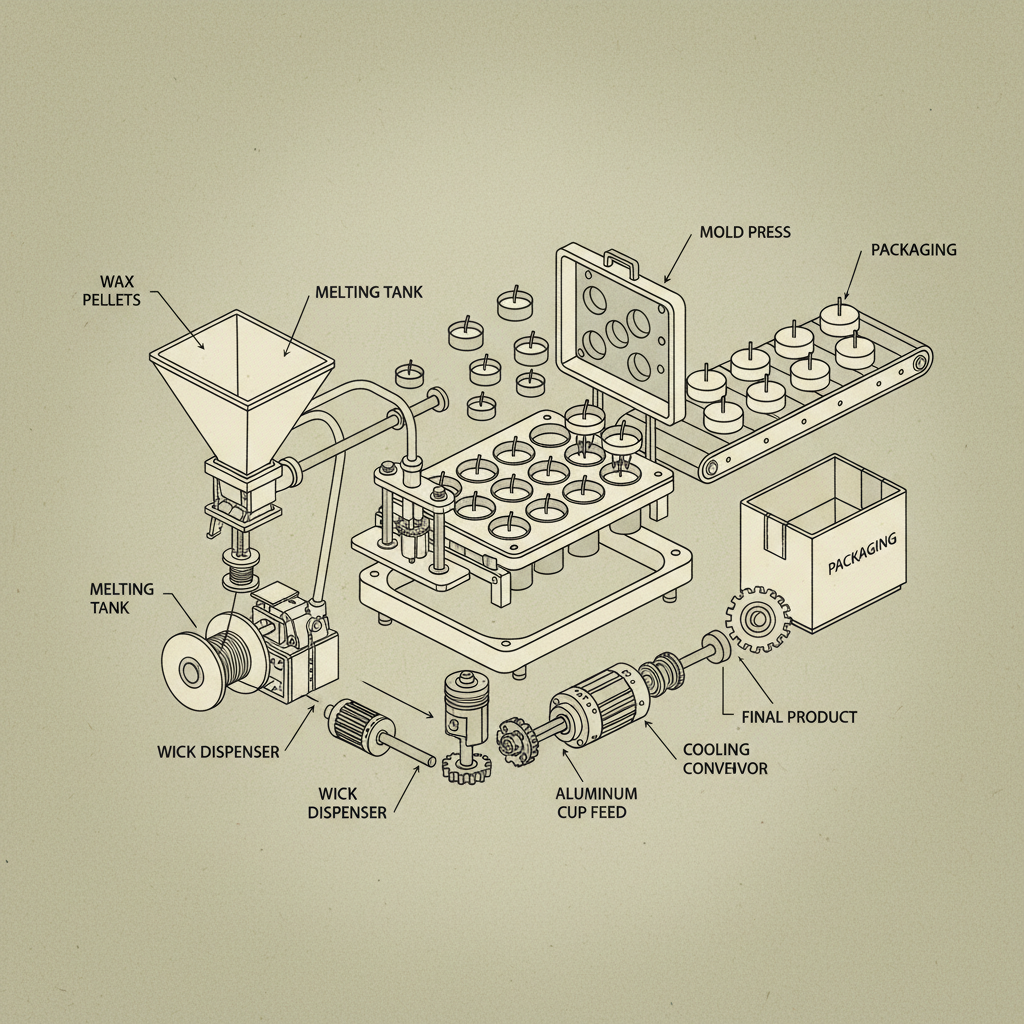
Have you noticed how many small-batch, artisanal tealight manufacturers are popping up? They’re catering to a niche market willing to pay a premium for perceived quality and sustainability. Big players are trying to mimic that, but it's tough to replicate that small-batch feel at scale. It’s a constant battle. I encountered this at a factory in Ningbo last time - they were trying to automate a hand-pouring process. Disaster. Absolute disaster.
Design Pitfalls in tealight candle manufacturer
Strangely, one of the biggest mistakes I see is with the cup’s rim. If it’s not perfectly smooth, you get uneven burning and soot. Sounds obvious, right? But you wouldn't believe how many manufacturers cut corners on finishing. Also, wick centering is critical. A slightly off-center wick means the melt pool won't be even, leading to tunneling – where the candle burns down the middle, leaving wax on the sides. That's a return waiting to happen.
And don't even get me started on the container's height-to-diameter ratio. Too tall and narrow, and the flame suffocates. Too wide and shallow, and the wax splatters. There's a sweet spot, and finding it takes a lot of testing. It’s all these little things that add up.
Another thing – people think you can just slap any old label on these things. But the adhesive needs to withstand heat, of course. I saw a whole batch ruined because the labels started peeling off during shipping. What a mess.
Material Selection for tealight candle manufacturer
The wax, as we touched on, is key. Soy wax smells…well, like soy. Some people like it, some don't. It’s softer, so it burns a bit quicker. Paraffin, traditionally, gives the cleanest burn, but the negative press is making it less popular. Coconut wax is expensive, but it smells fantastic. Honestly, the scent throw is phenomenal.
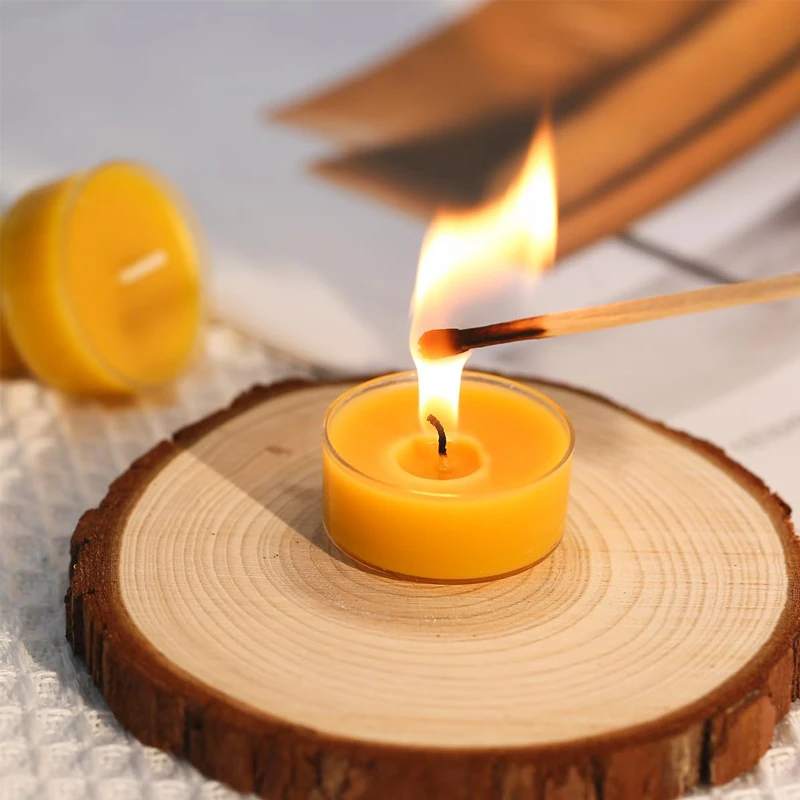
The wicks… they’re surprisingly complex. You’ve got cotton wicks, paper wicks, wicks with metal cores. Each has its own burn characteristics. You need to match the wick to the wax, the container size, and the fragrance load. It's a balancing act. And the aluminum cups... I prefer the ones with a thicker gauge. They hold their shape better and don't get as hot to the touch. The smell of the metal when it's being formed is…distinctive. You get used to it.
And the packaging! It's not just about looking nice, it’s about protecting them during transit. Those little plastic clamshells... they’re a necessary evil. Trying to find a biodegradable alternative that doesn’t fall apart is proving difficult. Anyway, I think we need better options.
Real-World Testing of tealight candle manufacturer
Forget the lab tests. Seriously. Those things are useful for basic quality control, sure, but they don’t tell you how a tealight will perform in a drafty restaurant, or a humid bathroom, or a power outage. We do “burn tests” in real-life scenarios. We set up a grid of tealights in a simulated dining environment – fans, open windows, the whole shebang. We monitor burn time, soot production, and scent throw.
We also send samples to hotels and restaurants for field testing. Their feedback is invaluable. I once had a hotel manager complain that our tealights were causing condensation on their tables. Turns out the wax had a higher melting point, and the heat was creating the condensation. Lesson learned. Later… forget it, I won’t mention it.
Performance Metrics for tealight candle manufacturer
User Applications of tealight candle manufacturer
People use these things for everything. Restaurants, obviously. Hotels. Spas. Weddings. But you wouldn’t believe how many people use them for emergency lighting during power outages. That's when you really see which ones are built to last.
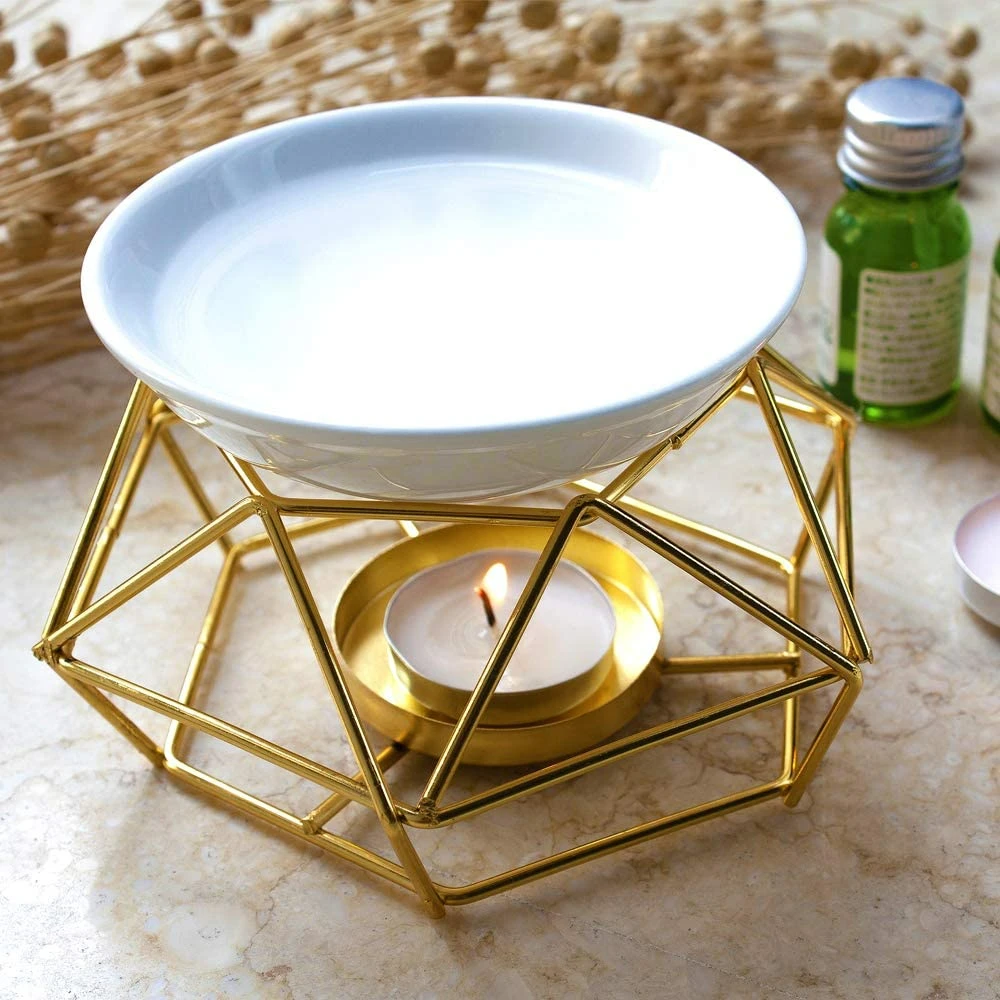
And the home decor market is huge. People are using them in lanterns, creating mood lighting, even just scattering them around for a bit of ambiance. I even saw someone using them to heat a small terrarium. I wouldn't recommend it, but hey, people are creative.
Advantages and Disadvantages of tealight candle manufacturer
The beauty of a tealight is its simplicity. Cheap to produce, easy to use, and readily available. They provide a consistent flame, and they’re relatively safe – assuming you use them responsibly.
But the downside? They burn quickly. The metal containers can get hot. And the quality can vary wildly. Cheap tealights often produce a lot of soot and have a short burn time. They’re disposable, which creates waste. Finding a truly eco-friendly option is a challenge.
And honestly, the profit margins are razor-thin. You need to be running at scale to make any real money. It's a high-volume, low-margin business. You're constantly trying to squeeze every penny out of the process.
Customization Options for tealight candle manufacturer
We do a fair amount of customization. Scent is the most common request. Obviously. But we also do custom colors, custom packaging, and even custom wick types. Last month, a small boss in Shenzhen who makes smart home devices insisted on changing the interface to . ! For a tealight! He wanted to integrate them into his smart lighting system. The result? It was a nightmare. The electrical components didn't fit, the heat dissipation was all wrong, and the cost went through the roof. He ended up going back to a standard wick.
We can also adjust the wax blend to achieve different burn characteristics. Some customers want a faster burn, others want a slower burn. It all depends on their application.
And surprisingly, people ask for different container finishes. Matte, glossy, brushed aluminum... it all adds to the perceived value. It’s all about the details.
A rough-and-ready overview of customization parameters for tealight candle manufacturer
| Customization Parameter |
Complexity Level (1-5) |
Cost Impact (Low, Med, High) |
Typical Lead Time (Days) |
| Scent Customization |
2 |
Med |
14 |
| Color Customization (Wax) |
1 |
Low |
7 |
| Container Finish |
3 |
Med |
21 |
| Wick Type Modification |
4 |
High |
28 |
| Packaging Design |
2 |
Low |
10 |
| Wax Blend Adjustment |
3 |
Med |
14 |
FAQS
Honestly, it's consistency. Bio-based waxes can vary a lot from batch to batch, impacting burn quality and scent throw. Finding suppliers who can guarantee a consistent product is tough. And then there’s the price. Sustainable waxes are generally more expensive, which puts pressure on margins. We spend a lot of time vetting suppliers and doing our own quality control testing. It's a pain, but it's worth it to deliver a reliable product.
It’s a combination of factors. The wax quality is key, as is the wick type. We use lead-free wicks, of course. But also, proper trimming is important. A wick that's too long will produce more soot. We also recommend avoiding drafts, which can cause uneven burning and increased soot. It's a delicate balance, but we strive for a clean-burning tealight.
The wax itself doesn’t really “expire” in the traditional sense, but the fragrance can fade over time. We recommend using tealights within 18-24 months for optimal scent throw. Storing them in a cool, dark place will help prolong their fragrance. And don't stack them too high, or you risk crushing the wicks. It's the little things.
Yes, aluminum is highly recyclable. However, recycling rates vary significantly depending on location. We encourage our customers to check with their local recycling facilities to confirm whether they accept aluminum tealight containers. We’re also exploring alternative container materials, like biodegradable plastics, but they’re not quite there yet in terms of performance and cost.
It depends on the level of customization. For scent and color variations, the MOQ is typically around 1,000 units. For more complex customizations, like custom packaging or wick types, the MOQ can be higher – around 5,000 units. We’re always willing to discuss specific requirements and see what we can do.
It's a constant battle, honestly. We use automated filling machines to ensure consistent wax levels. We also regularly calibrate our equipment and conduct burn tests throughout the production run. It’s about meticulous quality control and attention to detail. But even then, there's always some variation. It’s just the nature of the beast.
Conclusion
So, look, the tealight candle industry might seem simple on the surface, but it’s a surprisingly complex world of waxes, wicks, and regulations. It’s a constant juggling act between cost, quality, and sustainability. But at the end of the day, it's about providing a reliable and enjoyable product.
Ultimately, whether this thing works or not, the worker will know the moment he tightens the screw. If it burns cleanly, smells good, and lasts a reasonable amount of time, then we’ve done our job. And if it doesn't? Well, back to the drawing board. Visit our website: tealight candle manufacturer.